

FDA Grants Traditional Approval to Selpercatinib for RET Fusion-Positive Solid Tumors
Medical Review Disclosure This content has been reviewed for medical accuracy. Always consult a qualified healthcare professional before making any
Diagnosis and Detection

Medical Review Disclosure
This content has been reviewed for medical accuracy. Always consult a qualified healthcare professional before making any medical decisions. [Last reviewed: 2026-02-17]
Colonoscopy remains one of the most effective diagnostic and preventive procedures in modern medicine, playing a critical role in the early detection and prevention of colorectal cancer. As the third most common cancer worldwide, colorectal cancer claims hundreds of thousands of lives annually, many of which could be prevented through timely screening. This comprehensive guide provides essential information about colonoscopy, from understanding the procedure to post-examination care, empowering individuals to make informed decisions about their gastrointestinal health.
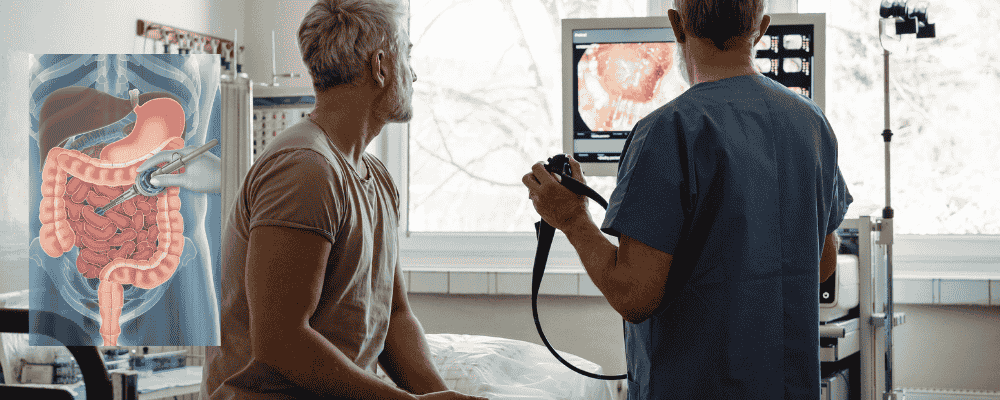
A colonoscopy is a medical procedure that allows physicians to examine the inner lining of the large intestine (colon and rectum) using a specialized instrument called a colonoscope. This flexible tube, approximately four to six feet in length and equipped with a high-definition camera and light source, enables detailed visualization of the colonic mucosa.
Screening and Prevention: Colonoscopy is the gold standard for colorectal cancer screening, capable of detecting precancerous polyps before they progress to malignancy.
Diagnostic Evaluation: The procedure aids in diagnosing various gastrointestinal conditions, including inflammatory bowel disease, diverticular disease, and sources of bleeding.
Therapeutic Intervention: Beyond diagnosis, colonoscopy .
Colorectal cancer typically develops from adenomatous polyps over a period of 10 to 15 years. Colonoscopy uniquely enables both detection and removal of these precancerous growths during a single procedure, effectively interrupting the cancer development pathway. When colorectal cancer is detected at localized stages, the five-year survival rate exceeds 90 percent, underscoring the critical importance of early detection.
Beyond cancer screening, colonoscopy provides invaluable diagnostic information for patients experiencing:
Current medical guidelines recommend that individuals at average risk for colorectal cancer begin screening at age 45. This recommendation reflects recent epidemiological data showing increasing colorectal cancer incidence in younger populations.
Certain individuals require earlier and more frequent screening:
Family History: Those with first-degree relatives diagnosed with colorectal cancer or advanced polyps should begin screening at age 40, or 10 years before the youngest affected relative’s diagnosis, whichever comes first.
Personal History: Individuals previously diagnosed with colorectal cancer, advanced polyps, or inflammatory bowel disease require customized surveillance protocols.
Genetic Syndromes: Patients with hereditary conditions such as Lynch syndrome or familial adenomatous polyposis require intensive screening beginning in adolescence or early adulthood.
Ethnic Considerations: Some populations demonstrate higher colorectal cancer risk and may benefit from earlier screening initiation.
Adequate bowel preparation is fundamental to procedural success and diagnostic accuracy. An inadequately prepared colon may obscure pathology and necessitate repeat examination.
Prior to the colonoscopy, patients undergo a comprehensive consultation addressing:
Three Days Before: Patients should avoid high-fiber foods, seeds, nuts, and certain raw vegetables that may impede bowel cleansing.
Two Days Before: Transition to low-residue foods including white bread, pasta, well-cooked vegetables without skin, and lean proteins.
One Day Before: Consume only clear liquids such as water, clear broth, tea, coffee without milk, clear fruit juices, and gelatin. All red or purple-colored liquids should be avoided as they may be mistaken for blood during examination.
The bowel preparation regimen, prescribed by the physician, typically involves:
Laxative Solution: Patients consume a prescribed volume of polyethylene glycol-based or alternative cleansing solution according to specific timing instructions. Split-dose regimens, where half the solution is consumed the evening before and half on the morning of the procedure, generally produce superior results.
Timing: The final dose should be completed at least 2-3 hours before the scheduled procedure time to ensure adequate preparation and reduce aspiration risk during sedation.
Hydration: Maintaining adequate fluid intake throughout the preparation period is essential to prevent dehydration and electrolyte imbalances.
Blood Thinners: Anticoagulants and antiplatelet agents may require temporary discontinuation under physician guidance, typically 3-7 days before the procedure depending on the specific medication.
Diabetes Medications: Insulin and oral hypoglycemic agents require dose adjustment on preparation and procedure days to prevent hypoglycemia during fasting.
Regular Medications: Most routine medications can be continued, though timing may need adjustment to accommodate the fasting requirement.
Upon arrival at the endoscopy facility, patients undergo:
Moderate Sedation: Most patients receive intravenous medications (typically midazolam and fentanyl) providing conscious sedation with amnesia and pain relief while maintaining spontaneous breathing.
Deep Sedation: Some facilities offer propofol-based sedation, administered by anesthesia providers, producing deeper unconsciousness with no procedural memory.
Unsedated Colonoscopy: Though less common, some patients opt for examination without sedation, which is feasible but may cause discomfort.
Positioning: Patients lie on their left side with knees drawn toward the chest.
Scope Insertion: The colonoscope is gently advanced through the rectum into the colon while air or carbon dioxide is introduced to expand the bowel for optimal visualization.
Complete Examination: The physician carefully advances the scope to the cecum (the beginning of the colon), examining the mucosa during both insertion and withdrawal. The withdrawal phase, which typically lasts 6-10 minutes minimum, represents the primary diagnostic component.
Interventions: If polyps are identified, they are removed using specialized instruments passed through the colonoscope. Tissue samples may be obtained for pathological analysis.
Duration: The entire procedure typically requires 20-45 minutes, depending on bowel anatomy, preparation quality, and therapeutic interventions performed.
Following colonoscopy, patients spend 30-60 minutes in a recovery area where:
Bloating and Gas: Residual air introduced during the examination causes temporary abdominal distension, typically resolving within several hours.
Mild Cramping: Brief, cramping discomfort may occur as the bowel returns to normal function.
Drowsiness: Sedation effects may persist for several hours, mandating activity restrictions.
First 24 Hours: Patients should not drive, operate machinery, make important decisions, or consume alcohol due to residual sedation effects. A responsible adult must provide transportation home.
Diet: Normal eating can resume immediately unless polyps were removed, in which case temporary dietary modifications may be recommended.
Work: Most individuals can return to regular activities the following day.
Immediate Findings: The physician typically discusses preliminary observations immediately after the procedure, though final pathology results require several days.
Pathology Reports: If biopsies or polyps were obtained, microscopic analysis provides definitive diagnostic information within 7-10 days.
Surveillance Intervals: Based on findings, the physician establishes appropriate follow-up timing, ranging from 1 to 10 years.
While colonoscopy is generally safe, patients should be informed of potential complications:
Perforation: Bowel perforation occurs in approximately 1 in 1,000 to 1 in 2,000 procedures, with higher risk following therapeutic interventions.
Significant Bleeding: Delayed bleeding after polypectomy occurs in approximately 1 in 100 to 1 in 200 cases, typically within 2 weeks of the procedure.
Cardiovascular Events: Rarely, sedation or procedural stress may precipitate cardiac or respiratory complications in high-risk patients.
Post-Polypectomy Syndrome: Transmural burn without perforation may cause localized peritonitis, requiring conservative management.
Patients should seek emergency care if they experience:
A normal colonoscopy reveals healthy pink mucosa without polyps, masses, inflammation, or other abnormalities. Depending on individual risk factors, repeat screening is typically recommended in 10 years.
Hyperplastic Polyps: Generally benign with minimal cancer risk, though serrated polyps require closer surveillance.
Adenomatous Polyps: Precancerous lesions requiring removal and histological classification to determine cancer risk and surveillance intervals.
Advanced Adenomas: Large polyps (≥10mm), those with high-grade dysplasia, or villous features necessitate more frequent follow-up colonoscopy.
While colonoscopy remains the gold standard, several alternative screening methods exist:
Fecal Immunochemical Test (FIT): Annual test detecting hidden blood in stool; positive results require colonoscopy.
Multi-Target Stool DNA Test: Detects blood and DNA markers associated with colorectal cancer; performed every 1-3 years.
CT Colonography: Virtual colonoscopy using CT imaging; requires bowel preparation and does not allow therapeutic intervention.
Flexible Sigmoidoscopy: Examines only the lower third of the colon; less comprehensive but requires minimal preparation.
Non-colonoscopic screening methods cannot remove polyps, require colonoscopy for positive findings, and may miss proximal lesions. However, they colonoscopy.
In many healthcare systems, screening colonoscopy for average-risk individuals beginning at age 45 is covered as preventive care without cost-sharing. However, coverage policies vary by:
Important Distinction: If a screening colonoscopy becomes diagnostic due to symptom evaluation or polyp removal, cost-sharing may apply. Patients should verify coverage details with their insurance provider before scheduling.
How painful is a colonoscopy?
With appropriate sedation, most patients experience no pain during the procedure. Mild cramping or pressure sensations may occur but are generally well-tolerated.
Can I eat before a colonoscopy?
No. The bowel preparation requires clear liquids only for at least 24 hours before the procedure, with nothing by mouth for several hours immediately preceding the examination.
What if polyps are found?
Most polyps can be removed during the colonoscopy itself. They are then sent for pathological examination to determine their type and cancer potential.
How often should I have a colonoscopy?
For average-risk individuals with normal results, every 10 years beginning at age 45. Those with polyps or other risk factors require more frequent surveillance.
Is bowel preparation the worst part?
Many patients find the bowel preparation more unpleasant than the procedure itself. However, adequate preparation is essential for accurate examination.
Can colonoscopy prevent cancer?
Yes. By removing precancerous polyps before they transform into cancer, colonoscopy can prevent colorectal cancer development.
Colonoscopy represents a cornerstone of preventive medicine, offering unparalleled capability for colorectal cancer prevention through detection and removal of precancerous lesions. While the preparation process requires commitment and the procedure involves temporary inconvenience, the benefits—including significant reduction in colorectal cancer incidence and mortality—far outweigh these considerations.
Understanding what to expect before, during, and after colonoscopy empowers individuals to approach this vital screening examination with confidence. Those eligible for screening should consult with healthcare providers to determine appropriate timing and establish a personalized screening strategy based on individual risk factors.
At MedsMonk, we are committed to providing comprehensive healthcare information that enables informed decision-making. If you have questions about colonoscopy or need access to specialized gastrointestinal medications, our platform connects you with the resources and expertise you need to optimize your health outcomes.
Medical Disclaimer: This article is for informational purposes only and does not constitute medical advice. Individuals should consult qualified healthcare professionals for personalized medical guidance, diagnosis, and treatment recommendations.
Medical Review Disclosure This content has been reviewed for medical accuracy. Always consult a qualified healthcare professional before making any
Medical Review Disclosure This content has been reviewed for medical accuracy. Always consult a qualified healthcare professional before making any
Medical Review Disclosure This content has been reviewed for medical accuracy. Always consult a qualified healthcare professional before making any
Our pharmacists can confirm availability, pricing and what your country requires for import.