
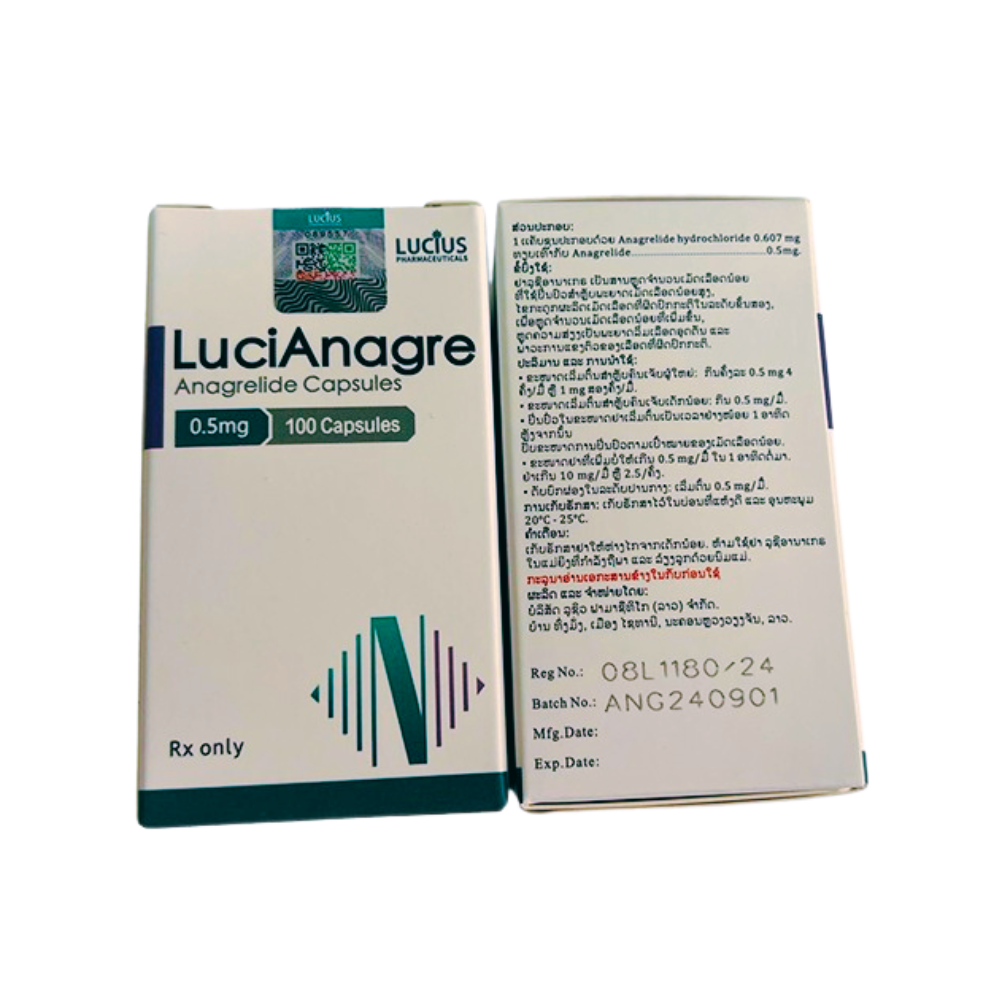
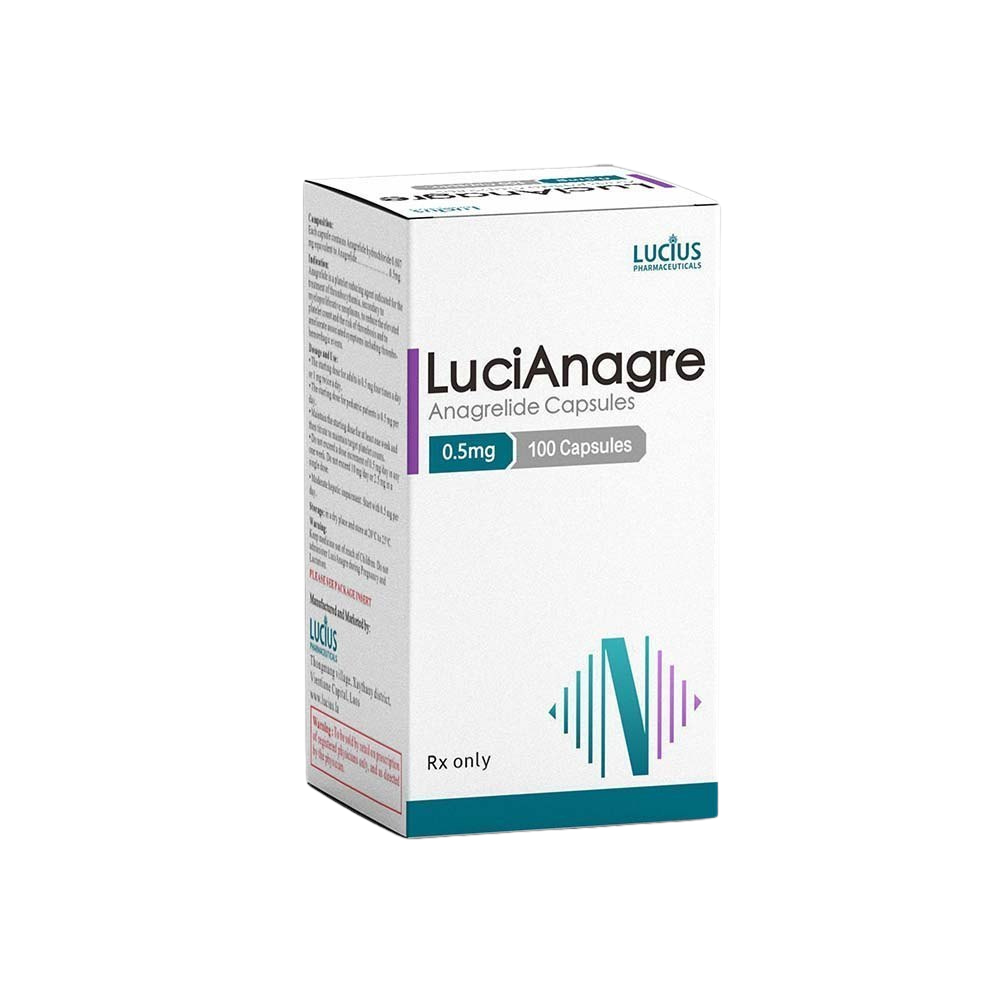
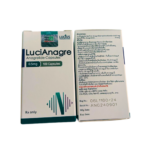
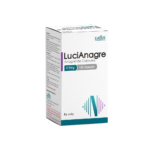
LuciAnagre 0.5 mg Capsule
Request Pricing & Availability
Fill in your details below and our clinical team will get back to you with pricing & availability within 24 hours.
Similar Products
| Product | Manufacturer / Marketed By | Price |
|---|---|---|
 Xagrid 0.5 mg Capsule
|
Takeda Pharmaceuticals | Ask for Price |
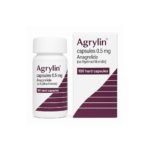 Agrylin 0.5 mg Capsule
|
Takeda Pharmaceuticals | Ask for Price |

Description
LuciAnagre 0.5 mg Capsule is a prescription oncology and hematology medicine containing Anagrelide 0.5mg as its active ingredient. It belongs to a class of drugs known as platelet-reducing agents, used to manage abnormally high platelet counts in the blood — a condition that can significantly increase the risk of dangerous blood clots or bleeding episodes. This Anagrelide capsule is primarily indicated for patients diagnosed with essential thrombocythemia (ET), a chronic myeloproliferative disorder in which the bone marrow produces too many platelets. Left unmanaged, this condition can lead to serious cardiovascular events including stroke, deep vein thrombosis, and pulmonary embolism. Each capsule of LuciAnagre delivers a precisely measured 0.5 mg dose of Anagrelide, taken orally as directed by a hematologist or specialist physician. Treatment is individualized — the dose and frequency
Benefits
Key Clinical Benefits
- Selectively reduces elevated platelet counts without significantly suppressing red blood cells or white blood cells at therapeutic doses.
- Provides an effective treatment option for patients who are resistant to or intolerant of hydroxyurea — the most commonly used first-line platelet-lowering therapy.
- Oral capsule formulation supports convenient daily dosing and long-term management.
- Helps reduce the risk of serious thromboembolic events (e.g., stroke, DVT) and hemorrhagic complications associated with uncontrolled thrombocythemia.
- Dose can be individually titrated to achieve and maintain target platelet counts under physician supervision.
- Well-established safety and efficacy profile supported by decades of clinical use in myeloproliferative disorders.
Note: Treatment outcomes vary between patients. These benefits are based on clinical evidence and do not represent a guarantee of results for any individual.
Indications and Usage
LuciAnagre 0.5 mg Capsule (Anagrelide 0.5mg) is indicated for:
- Treatment of essential thrombocythemia (ET) in adult patients who require platelet-lowering therapy to reduce the risk of thromboembolic or hemorrhagic complications.
- Patients with ET who are intolerant of, or inadequately controlled by, other platelet-reducing therapies such as hydroxyurea.
- Management of elevated platelet counts associated with other myeloproliferative neoplasms (MPNs), as determined appropriate by a treating specialist.
Diagnosis of essential thrombocythemia must be confirmed through appropriate hematological investigations including bone marrow biopsy and molecular testing (e.g., JAK2, CALR, or MPL mutation status) before initiating therapy. LuciAnagre is not a first-line treatment for all patients and should be prescribed based on individual risk stratification.
How it Works
To understand how LuciAnagre works, it helps to know what happens in essential thrombocythemia. In ET, the bone marrow produces an excessive number of platelets — the tiny blood cells responsible for clotting. When platelet counts become too high, the blood can clot abnormally, potentially causing strokes, heart attacks, or blockages in veins and arteries. Paradoxically, extremely high platelet counts can also impair normal clotting and cause bleeding.
Anagrelide works through a two-step mechanism. First, it inhibits the maturation of megakaryocytes — the large bone marrow cells that break apart to produce platelets. By interfering with this process, fewer platelets are released into the bloodstream. Second, at higher concentrations, Anagrelide also inhibits platelet aggregation, though this effect is less prominent at standard therapeutic doses.
Importantly, Anagrelide does not appear to be cytotoxic (it does not kill cells directly) and does not damage DNA. This makes it a targeted approach to platelet reduction rather than a broad immunosuppressive or chemotherapy agent. The result is a gradual, controlled reduction of platelet count toward a safer range over several weeks of treatment.
Dosage & Administration
General dosing information (for reference only):
- Usual starting dose: 0.5 mg taken orally, two to four times daily (total starting dose typically 1 mg per day).
- Dose is gradually increased by no more than 0.5 mg per day per week, based on platelet count response and tolerability.
- Maximum recommended single dose: 2.5 mg.
- Maximum recommended total daily dose: 10 mg.
- Target platelet count: typically below 600 × 10⁹/L, or as determined by your hematologist.
- Capsules should be swallowed whole with water and can be taken with or without food.
- Regular blood count monitoring is mandatory during dose titration and throughout the course of treatment.
Important: The dose of LuciAnagre 0.5 mg must be individually determined and adjusted by your hematologist based on your platelet count, overall health, and response to therapy. Do not alter your dose without direct medical guidance.
Side Effects
Common Side Effects
- Headache (often reported during the initial weeks of treatment)
- Palpitations or rapid heartbeat (tachycardia)
- Fluid retention or edema (swelling, particularly in the legs)
- Diarrhea or abdominal discomfort
- Nausea
- Dizziness or lightheadedness
- Fatigue or weakness
- Rash or skin reactions
- Anemia (low red blood cell count)
Serious Side Effects (Seek Immediate Medical Attention)
- Heart failure or cardiomyopathy — symptoms include severe breathlessness, rapid weight gain, or extreme fatigue
- Serious arrhythmias or QTc interval prolongation — irregular heartbeat, fainting, or chest pain
- Pulmonary hypertension — progressive shortness of breath, especially with exertion
- Severe anemia requiring transfusion
- Interstitial lung disease or pulmonary infiltrates — persistent cough, breathlessness, or low oxygen levels
- Seizures (rare but reported)
This is not a complete list of possible side effects. Contact your hematologist or healthcare provider promptly if you experience any unusual or worsening symptoms during treatment.
Warning and Precaution
- Cardiovascular Monitoring: Anagrelide has known cardiovascular effects including increased heart rate, fluid retention, and potential for arrhythmias. A baseline cardiovascular assessment including ECG and echocardiogram is recommended before starting therapy, and monitoring should continue throughout treatment. Use with particular caution in patients with pre-existing heart disease.
- Pulmonary Hypertension: Cases of pulmonary hypertension have been reported with Anagrelide use. Patients who develop unexplained shortness of breath or reduced exercise tolerance should be evaluated promptly and therapy reconsidered.
- Anemia: Regular monitoring of full blood count is essential, as Anagrelide can reduce red blood cell counts. Severe anemia may require dose reduction or treatment discontinuation.
- Renal & Hepatic Impairment: LuciAnagre should be used with caution in patients with moderate-to-severe renal or hepatic impairment. Dose reduction may be required. It is generally contraindicated in severe hepatic impairment.
- Pregnancy & Contraception: Anagrelide may cause fetal harm and is generally not recommended during pregnancy. Women of childbearing potential must use effective contraception during treatment. Discuss family planning with your specialist before starting therapy.
- Breastfeeding: It is not known whether Anagrelide passes into breast milk. Breastfeeding is not recommended during treatment as a precautionary measure.
- Drug Interactions: Anagrelide may interact with other medications that prolong the QT interval, antiplatelet agents (e.g., aspirin, clopidogrel), anticoagulants, and sucralfate (which may reduce absorption). Inform your doctor of all medicines, supplements, and herbal products you currently take.
- Driving & Machinery: Dizziness and fatigue have been reported. Patients should assess their own response to LuciAnagre before driving or operating heavy machinery.
- Lactose Content: Some formulations may contain lactose. Patients with lactose intolerance or galactose malabsorption should check with their pharmacist before use.
FAQ
Related Products
-
Lenvitib 10 mg Capsule
LenvatinibPrice on request
Request pricing -
Lucimird 1 mg Capsule
Price on request
Request pricing -
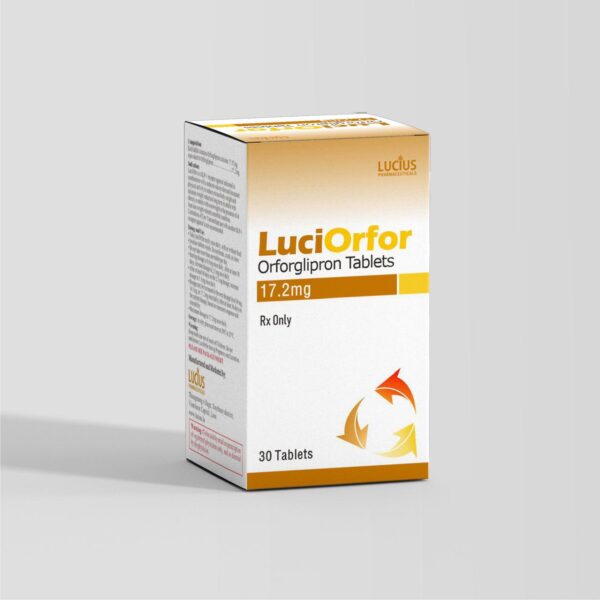
Luciorfor 17.2 mg Tablet
Price on request
Request pricing -
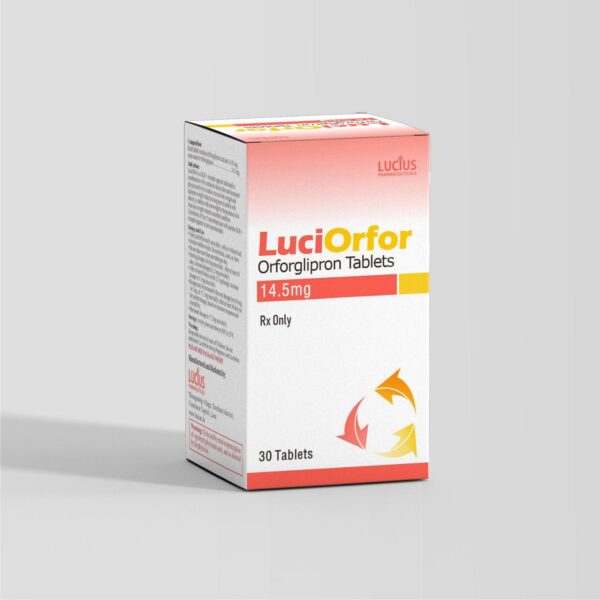
Luciorfor 14.5 mg Tablet
Price on request
Request pricing -
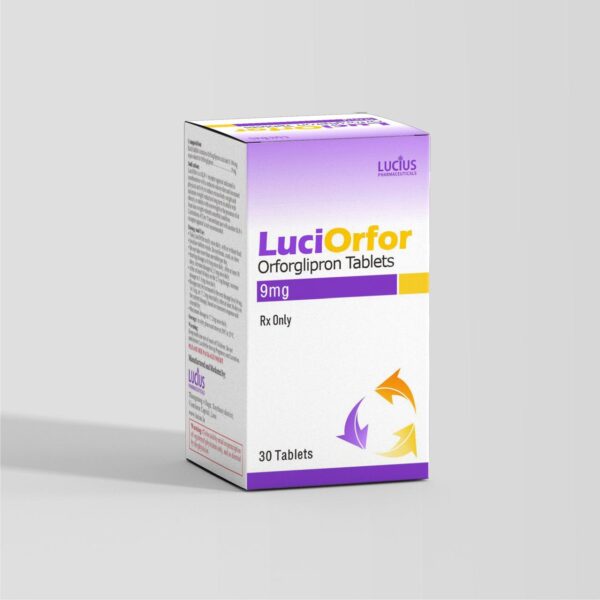
Luciorfor 9 mg Tablet
Price on request
Request pricing -
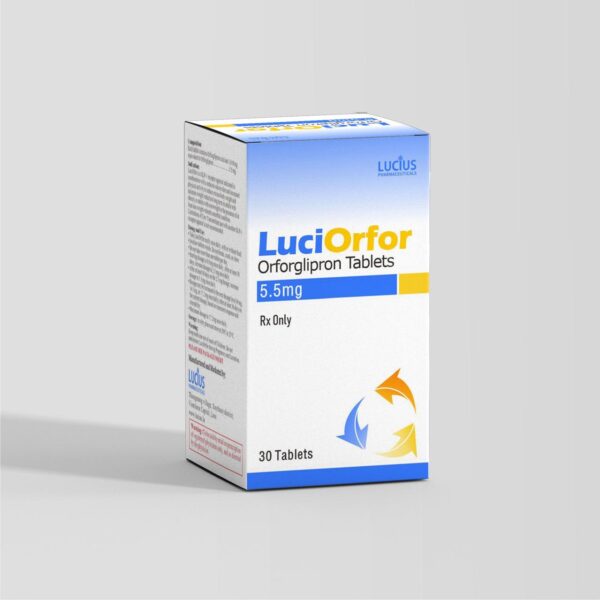
Luciorfor 5.5 mg Tablet
Price on request
Request pricing -
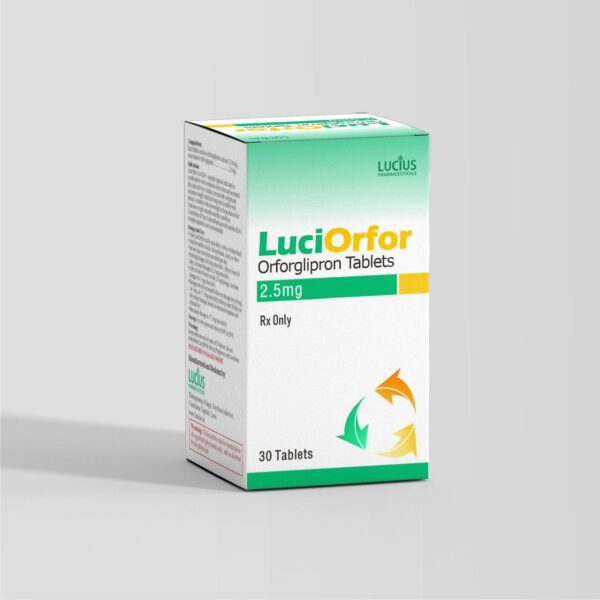
Luciorfor 2.5 mg Tablet
Price on request
Request pricing -
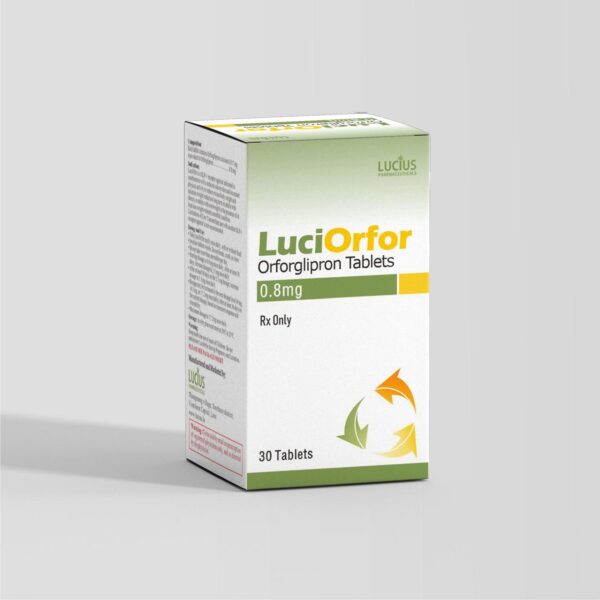
Luciorfor 0.8 mg Tablet
Price on request
Request pricing -
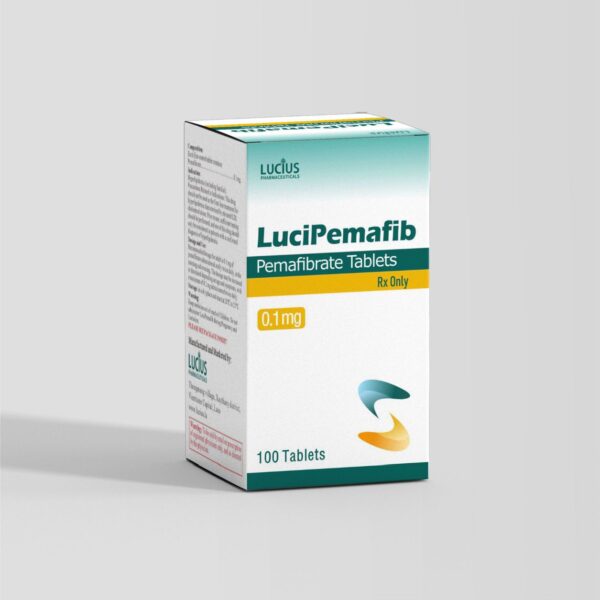
LuciPemafib 0.1 mg Tablet
Price on request
Request pricing -
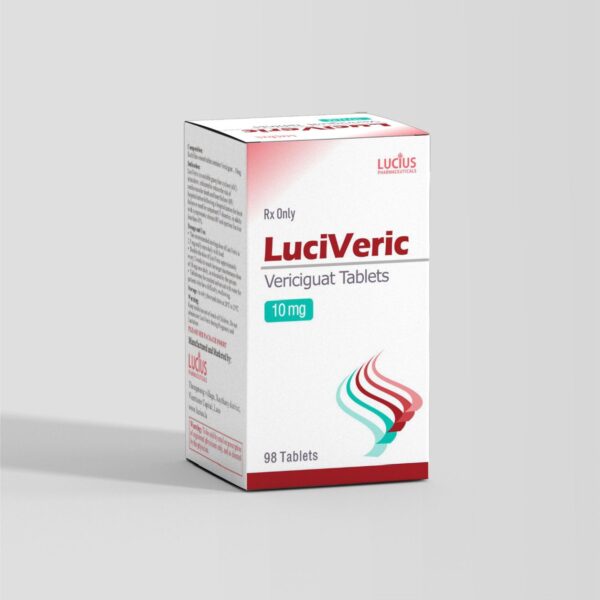
LuciVeric 10 mg Tablet
Price on request
Request pricing -
LuciLemb 5 mg Tablet
Price on request
Request pricing -
LuciElag 200 mg Tablet
Price on request
Request pricing
Related Reading
-
 Bone Marrow Transplant: A Complete Guide for Patients
The realization that you or someone close to you needs a bone marrow transplant can be extremely daunting. It may
Bone Marrow Transplant: A Complete Guide for Patients
The realization that you or someone close to you needs a bone marrow transplant can be extremely daunting. It may
-
 Ruxolitinib Tablets Receive FDA Approval for Hematologic Malignancies
The U.S. Food and Drug Administration (FDA) has approved Ruxolitinib tablets for the treatment of certain hematologic malignancies, marking another
Ruxolitinib Tablets Receive FDA Approval for Hematologic Malignancies
The U.S. Food and Drug Administration (FDA) has approved Ruxolitinib tablets for the treatment of certain hematologic malignancies, marking another
-
 Tovorafenib Approved in Europe for Children with BRAF-Altered Low-Grade Glioma
Medical Review: This article was reviewed by Dr. Sophie Reynolds on May 14, 2026. n This marks an important milestone
Tovorafenib Approved in Europe for Children with BRAF-Altered Low-Grade Glioma
Medical Review: This article was reviewed by Dr. Sophie Reynolds on May 14, 2026. n This marks an important milestone
-
 FDA Fast-Tracks Plixorafenib for BRAF V600E–Mutated Brain Tumors
Medical Review: This article was reviewed by Dr. Sophie Reynolds on April 14, 2026. n Brain tumors, especially high-grade gliomas,
FDA Fast-Tracks Plixorafenib for BRAF V600E–Mutated Brain Tumors
Medical Review: This article was reviewed by Dr. Sophie Reynolds on April 14, 2026. n Brain tumors, especially high-grade gliomas,
-
 What are the 4 stages of lung cancer?
Medical Review: This article was reviewed by Dr. Sophie Reynolds on April 7, 2026. n Lung cancer staging is a
What are the 4 stages of lung cancer?
Medical Review: This article was reviewed by Dr. Sophie Reynolds on April 7, 2026. n Lung cancer staging is a
-
 Sunvozertinib vs Chemo: A PFS Breakthrough in EGFR+ NSCLC
Medical Review: This article was reviewed by Dr. Sophie Reynolds on March 25, 2026. n The treatment landscape for EGFR-mutated
Sunvozertinib vs Chemo: A PFS Breakthrough in EGFR+ NSCLC
Medical Review: This article was reviewed by Dr. Sophie Reynolds on March 25, 2026. n The treatment landscape for EGFR-mutated
Shipping & Delivery
- Ships from
- India, worldwide delivery
- Order processing
- 1–3 business days after checks
- Transit time
- 5–7 business days by express courier
- Tracking
- Tracking number sent by email or SMS
- Packaging
- Discreet, tamper-evident, cold-chain available
- Duties & taxes
- Payable by the recipient on import
Only logged in customers who have purchased this product may leave a review.
Reviews
Clear filtersThere are no reviews yet.