



Blood Cancer



















Last updated on 23-04-2025 17:36:37
Overview
- - What is Blood Cancer?
- - Key Facts About Blood Cancer
- - Symptoms of Blood Cancer
- - Types of Blood Cancer
- - Staging and Classification of Blood Cancers
- - Risk Factors for Blood Cancer
- - How Blood Cancer Develops
- - Diagnosis of Blood Cancer
- - Prevention and Early Detection
- - Treatment Options for Blood Cancer
- - Blood Cancer in Special Populations
- - Survival Rates and Prognosis
- - References:
What is Blood Cancer?
Blood cancers are malignancies that originate in the blood, bone marrow, or lymphatic system and disrupt normal blood cell production. Unlike solid tumors, blood cancers affect circulating cells, leading to the uncontrolled growth of abnormal white or red blood cells or platelets.How Blood Cancer Develops
- Bone marrow dysfunction: Healthy blood cell production is impaired.
- Abnormal cell proliferation: Cancerous cells (e.g., leukemia blasts) overcrowd healthy cells.
- Immune system suppression: Reduces infection-fighting ability.
Key Facts About Blood Cancer
| Type | Most Affected Group | Gender Bias |
| Leukemia | Children (ALL), Adults (CLL) | Slightly more males |
| Lymphoma | Teens/Young Adults (HL), Older Adults (NHL) | Equal |
| Myeloma | Adults >65 | 1.5x more males |
Global Prevalence
- Leukemia: ~475,000 new cases/year (3% of all cancers).
- Lymphoma: ~83,000 annual U.S. cases.
- Myeloma: ~35,000 U.S. diagnoses/year.
Conditions With Similar Symptoms
- Infections: EBV (mononucleosis), HIV.
- Autoimmune: Lupus, rheumatoid arthritis.
- Nutritional Deficiencies: B12/folate deficiency anemia.
Symptoms of Blood Cancer
| Category | Symptoms |
| Common Signs | Fatigue (due to anemia) |
|
Frequent infections (low white blood cells)
|
|
|
Unexplained weight loss (>10% body weight)
|
|
|
Easy bruising/bleeding (low platelets)
|
|
| Bone/joint pain (myeloma, leukemia) | |
|
Swollen lymph nodes (hallmark of lymphoma)
|
|
| Less Common Symptoms |
Splenomegaly (enlarged spleen causing left-sided abdominal pain)
|
|
Neurological issues (myeloma-related spinal cord compression)
|
|
|
Petechiae (pinpoint red skin spots from bleeding)
|
Types of Blood Cancer
| Type | Subtype | Key Feature |
| Leukemia | ALL (Acute Lymphoblastic Leukemia) |
The most common pediatric blood cancer
|
| AML (Acute Myeloid Leukemia) |
Rapid progression requires urgent chemotherapy
|
|
| CLL (Chronic Lymphocytic Leukemia) | Slow-growing; often monitored first | |
| CML (Chronic Myeloid Leukemia) |
Linked to the Philadelphia chromosome
|
|
| Lymphoma | Hodgkin’s Lymphoma (HL) |
Reed-Sternberg cells; high cure rate
|
| Non-Hodgkin Lymphoma (NHL) |
60+ subtypes (e.g., diffuse large B-cell lymphoma)
|
|
| Myeloma | Multiple Myeloma |
Plasma cell cancer causes bone lesions and kidney damage
|
Staging and Classification of Blood Cancers
Leukemia Classification
Blood cancers are categorized based on the type of affected cells and disease progression speed:| Category | Type | Description | Examples |
| By Cell Type | Lymphoid Leukemia | Affects lymphocytes (B or T cells) |
ALL (Acute Lymphoblastic Leukemia), CLL (Chronic Lymphocytic Leukemia)
|
| Myeloid Leukemia | Affects red blood cells, platelets, or other myeloid cells |
AML (Acute Myeloid Leukemia), CML (Chronic Myeloid Leukemia)
|
|
| By Aggressiveness | Acute | Rapid progression (weeks to months) |
Common in children (ALL), older adults (AML)
|
| Chronic | Slow progression (years) | Common in adults (CLL, CML) |
Lymphoma Staging (Ann Arbor System)
| Stage | Description |
| I |
Single lymph node region affected
|
| II |
Two or more regions on the same side of the diaphragm
|
| III |
Spread to both sides of the diaphragm
|
| IV |
Disseminated disease (involves organs like the liver, bone marrow, or lungs)
|
Additional Classifiers
| Classifier | Meaning |
| A |
No systemic symptoms
|
| B |
Fever, night sweats, unexplained weight loss
|
| Bulky Disease |
A large tumor mass (>10 cm) requires aggressive treatment
|
Myeloma Staging (R-ISS System)
| Stage | Criteria | 5-Year Survival |
| I | Low β2-microglobulin, normal LDH | 82% |
| II | Intermediate markers | 62% |
| III | High β2-microglobulin, high LDH, del(17p) | 40% |
CRAB Criteria (Symptoms Indicating Treatment Need)
| CRAB | Description |
| C | Calcium (elevated levels) |
| R | Renal failure (kidney dysfunction) |
| A | Anemia (low red blood cell count) |
| B |
Bone lesions (lytic lesions on X-ray)
|
Risk Factors for Blood Cancer
Genetic Factors
- Chromosomal Abnormalities:
- Philadelphia chromosome (BCR-ABL1 fusion in CML)
- TP53 mutations (linked to therapy-related AML)
- Inherited Syndromes:
- Fanconi anemia (high leukemia risk)
- Li-Fraumeni syndrome
Environmental & Medical Exposures
| Risk Factor | Associated Cancer |
| Radiation | AML, ALL |
| Benzene (industrial chemical) | AML |
| Prior chemo (alkylating agents) | Secondary AML/MDS |
| EBV/HIV infection | Burkitt’s lymphoma, NHL |
Lifestyle & Other Risks
- Obesity: 20% higher myeloma risk
- Smoking: Doubles NHL risk
- Autoimmune Diseases:
- Rheumatoid arthritis → large granular lymphocytic leukemia
- Celiac disease → T-cell lymphoma
How Blood Cancer Develops
| Stage | Key Processes |
| Normal Blood Cell Formation | Bone marrow stem cells produce:
|
| Cancerous Transformation |
DNA Mutations: Disrupt cell cycle regulation (e.g., FLT3 in AML)
Chromosomal Translocations:
|
| Disease Progression |
|
Diagnosis of Blood Cancer
| Test | Purpose | Key Findings |
| Blood Tests | Initial screening for abnormalities |
|
| Peripheral Blood Smear | Examines cell morphology |
Identifies abnormal cell shapes (e.g., "smudge cells" in CLL).
|
| Bone Marrow Biopsy (Gold Standard) | Confirms blood cancer diagnosis |
|
Imaging
| Test | Purpose |
| PET/CT | Lymphoma staging (detects metabolic activity) |
| MRI | Spinal cord compression (myeloma) |
| Skeletal Survey | Bone lesions (myeloma) |
Genetic Testing
- FISH (Fluorescence In Situ Hybridization): Detects Philadelphia chromosome (CML).
- Flow Cytometry: Classifies leukemia/lymphoma subtypes via cell markers.
- Next-Gen Sequencing (NGS): Identifies TP53, FLT3, IDH mutations for targeted therapy.
Prevention and Early Detection
Lifestyle Adjustments
Avoid Carcinogens:- Benzene (paints, plastics)
- Pesticides Healthy Weight: Obesity increases the risk of myeloma by 20%. Smoking Cessation: Reduces NHL risk.
High-Risk Monitoring
- Annual CBC for:
- Fanconi anemia patients
- Prior chemo/radiation recipients
- Genetic Counseling for BRCA/FHIT mutations.
Treatment Options for Blood Cancer
1. Chemotherapy
- Induction Therapy:
- First-line treatment for acute leukemias (AML, ALL)
- Goal: Achieve remission by killing cancer cells
- Common drugs: Cytarabine + Daunorubicin (AML), Vincristine + Dexamethasone (ALL)
- Consolidation/Maintenance Therapy:
- Prevents relapse in ALL with long-term low-dose chemo
- High-dose chemo + stem cell transplant for high-risk AML
2. Radiation Therapy
- Used for:
- Lymphoma: Shrinks bulky tumors (e.g., Hodgkin’s)
- Palliative Care: Relieves bone pain in myeloma
3. Stem Cell Transplant
| Type | How It Works | Best For |
| Autologous | Patient’s own stem cells harvested, then reinfused after high-dose chemo | Myeloma, relapsed NHL |
| Allogeneic | Stem cells from a donor (sibling or unrelated match) | High-risk AML, CML |
4. Targeted Therapy
| Drug Class | Example | Target | Used For |
| Tyrosine Kinase Inhibitors (TKIs) | Imatinib (Gleevec) | BCR-ABL1 | CML |
| Monoclonal Antibodies | Rituximab (Rituxan) | CD20 | NHL |
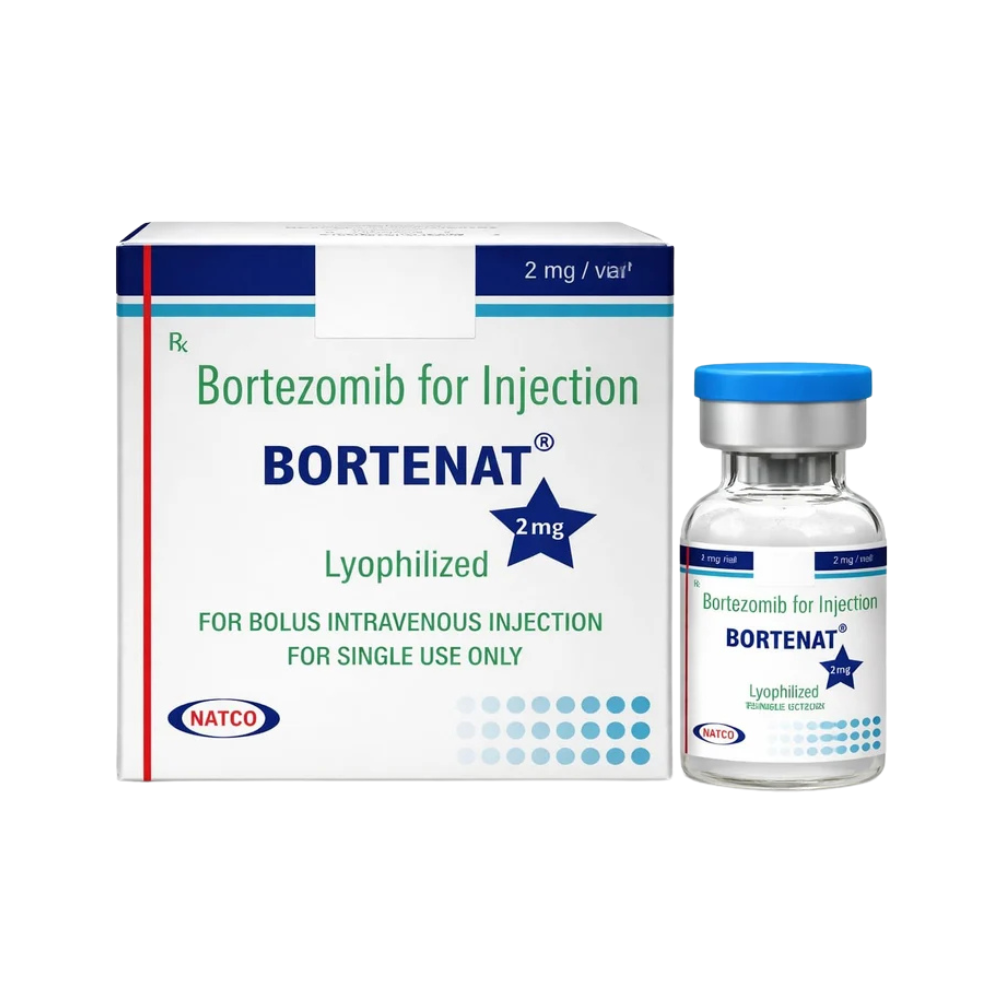
| Proteasome Inhibitors | Bortezomib (Velcade) | Proteasomes | Myeloma |
5. Immunotherapy
- CAR-T Cell Therapy:
- Kymriah (tisagenlecleucel): For relapsed B-cell ALL
- Yescarta (axicabtagene ciloleucel): For aggressive NHL
- Process: T cells are extracted, genetically modified, and reinfused
- Checkpoint Inhibitors:
Blood Cancer in Special Populations
Pediatric Blood Cancer
- Most Common Type: ALL (75% of childhood leukemia)
- Survival Rates:
- ALL: ~90% 5-year survival (vs. 70% in adults)
- AML: 65–70% (lower than ALL)
- Long-Term Side Effects:
- Growth delays (due to radiation)
- Heart damage (from anthracyclines)
- Secondary cancers (e.g., thyroid, breast)
Survival Rates and Prognosis
Leukemia
| Type | 5-Year Survival | Key Factors |
| ALL (Adults) | 70% | Worse with the Philadelphia chromosome |
| CLL (Early Stage) | 85% | Watch-and-wait often recommended |
| AML (Young Adults) | 40–50% | Improves with transplant |
Lymphoma
- Hodgkin’s (Early Stage): 90%
- Diffuse Large B-Cell (DLBCL): 60–70%
- Mantle Cell (NHL): 50–60% (with newer therapies)
Myeloma
- Overall: 50% (up from 30% in the 2000s)
References:
https://gco.iarc.fr/ https://www.cancer.gov/types/leukemia https://www.cancer.org/cancer/leukemia.html https://www.nccn.org/guidelines/guidelines-detail?category=1&id=1480 https://www.myeloma.org/ https://www.cdc.gov/cancer/hematologic/index.htm https://www.nccn.org/ https://www.hematology.org/education/patients/blood-cancers https://www.cancer.org/cancer/leukemia/treating.html https://www.fda.gov/vaccines-blood-biologics/cellular-gene-therapy-products/approved-cellular-and-gene-therapy-products https://www.stjude.org/ https://www.lls.org/ https://seer.cancer.gov/statfacts/FAQs
Blood cancer is a disease where abnormal blood cells grow uncontrollably, affecting bone marrow, blood, or the lymphatic system.
Some types of blood cancer can be cured, especially if treated early with chemotherapy, radiation, or a stem cell transplant. Others can be managed for a long time.
Common early symptoms include fatigue, frequent infections, unexplained weight loss, bruising, bleeding, and swollen lymph nodes.
Leukemia, lymphoma, and multiple myeloma are the most common blood cancers. Among them, non-Hodgkin’s lymphoma is the most frequently diagnosed.
Acute myeloid leukemia (AML) is considered one of the most aggressive blood cancers due to its rapid progression and resistance to treatment.
Blood cancer is caused by genetic mutations, exposure to radiation or chemicals, viral infections (like Epstein-Barr virus), and a weakened immune system.
Treatment options include chemotherapy, radiation therapy, targeted therapy, immunotherapy, and stem cell (bone marrow) transplants.
Women may experience unexplained fatigue, abnormal bruising or bleeding, night sweats, weight loss, swollen lymph nodes, and frequent infections.
Leukemia can be controlled with timely treatment, like chemotherapy, targeted therapy, and bone marrow transplants. A healthy diet and regular checkups also help.
Survival rates vary by type and stage. Some blood cancers have a high survival rate with early treatment, while aggressive types may have lower survival chances.
You can check with family members, national donor registries, and bone marrow donation centers to find a matching stem cell donor.
Many children recover well and can live normal lives after a successful stem cell transplant, but regular follow-ups are needed to prevent complications.
Yes, blood cancer can return after treatment. Regular checkups, healthy living, and early detection of symptoms can help manage and prevent relapse.
Not always. Some types of blood cancer can be treated or managed for years, while others are more aggressive. Early detection and treatment improve survival chances.
Factors like genetic mutations, exposure to toxins, viral infections, and immune system disorders can increase the risk of blood cancer in women.
The main types of blood cancer include:
Leukemia – Affects white blood cells and bone marrow.
Lymphoma – affects the lymphatic system.
Multiple Myeloma – Affects plasma cells in the bone marrow.
Myelodysplastic Syndromes (MDS) – Affects blood cell production.
Blood cancer can be mild to life-threatening, depending on the type, stage, and response to treatment. Early diagnosis improves survival chances.
Life expectancy depends on the type and stage of blood cancer. Some people live for decades with proper treatment, while aggressive types may shorten life expectancy.
Yes, blood tests can detect abnormal blood cell counts, tumor markers, or other signs of blood cancer, but a biopsy is needed for confirmation.
Leukemia and lymphoma often cause high white blood cell counts due to excessive, abnormal cell production.
Doctors use complete blood count (CBC), tumor marker tests, and blood protein tests to detect signs of cancer. However, a biopsy is needed for confirmation.
A high or low white blood cell count, low red blood cells (anemia), or abnormal platelets may suggest blood cancer, but further tests are needed.
Blood in sperm (hematospermia) is usually caused by infections, injuries, or prostate issues. However, in rare cases, it can indicate prostate or testicular cancer.
Yes, leukemia is a type of blood cancer that affects white blood cells and bone marrow.
Leukemia may be caused by DNA mutations, genetic factors, radiation exposure, smoking, and certain chemicals like benzene.
September is observed as Blood Cancer Awareness Month to spread awareness and encourage early detection.
Acute myeloid leukemia (AML) is considered one of the most dangerous blood cancers due to its rapid progression and resistance to treatment.
Yes, lymphoma is a blood cancer that affects the lymphatic system and immune cells.
Blood cancer develops when genetic mutations cause abnormal blood cell growth, which interferes with normal blood function.
Yes, multiple myeloma is a blood cancer that affects plasma cells in the bone marrow.
Blood cancer symptoms like fatigue, bruising, weight loss, and frequent infections may indicate the disease. A blood test and biopsy confirmed the diagnosis.