
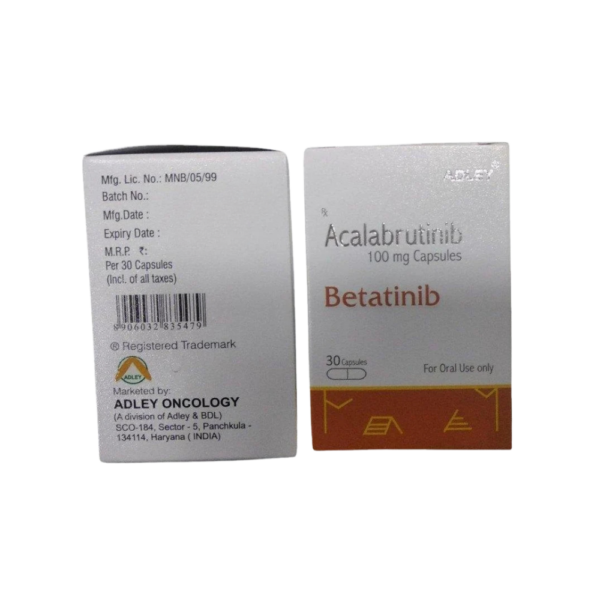
Calquence 100 mg Capsule
Request Pricing & Availability
Fill in your details below and our clinical team will get back to you with pricing & availability within 24 hours.
Similar Products

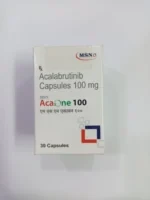

Description
Calquence 100 mg Capsule contains acalabrutinib, a targeted anticancer medicine classified as a Bruton’s tyrosine kinase (BTK) inhibitor. It is used in the treatment of certain B-cell blood cancers, particularly those affecting lymphocytes, a type of white blood cell involved in the immune system. By blocking specific signaling pathways involved in cancer cell survival and growth, acalabrutinib may help slow the progression of these conditions when used as prescribed by a qualified healthcare professional. Calquence is commonly prescribed for adults with chronic lymphocytic leukemia (CLL), small lymphocytic lymphoma (SLL), and mantle cell lymphoma (MCL). It may be used alone or in combination with other cancer medicines depending on the treatment plan recommended by an oncologist. This medicine is taken orally and is usually part of a long-term oncology treatment plan that requires regul
Benefits
-
Targets BTK signaling, a key pathway involved in the growth of B-cell cancers
-
Oral targeted therapy that can be taken at home under medical supervision
-
Used in several hematologic malignancies including CLL, SLL, and MCL
-
May be used as monotherapy or in combination with other treatments
-
Designed to selectively inhibit cancer-related pathways involved in tumor growth
Indications and Usage
Calquence (acalabrutinib) may be prescribed for adults with:
-
Chronic Lymphocytic Leukemia (CLL)
-
Small Lymphocytic Lymphoma (SLL)
-
Mantle Cell Lymphoma (MCL), including patients who have received prior therapy
-
Certain treatment regimens combining Calquence with other oncology medicines such as obinutuzumab, bendamustine, or rituximab, depending on clinical guidance
Use is determined by an oncologist based on diagnosis, treatment history, and clinical guidelines.
How it Works
Acalabrutinib works by inhibiting Bruton’s tyrosine kinase (BTK), an enzyme that plays an important role in the B-cell receptor signaling pathway. In certain blood cancers, abnormal B-cells depend on this signaling pathway to survive and multiply.
By blocking BTK activity, acalabrutinib interferes with these signals, which can reduce the growth and survival of malignant B-cells. This targeted mechanism helps slow disease progression in some patients when used as prescribed and monitored by a healthcare professional.
Dosage & Administration
-
Calquence capsules are taken orally with water.
-
The commonly recommended regimen is 100 mg approximately every 12 hours, unless otherwise directed by a healthcare professional.
-
Capsules should be swallowed whole and not crushed or chewed.
-
Treatment may continue until disease progression or unacceptable toxicity, based on medical evaluation.
-
Dose adjustments may occur if side effects or drug interactions occur.
Side Effects
Common side effects
-
Headache
-
Diarrhea
-
Fatigue
-
Upper respiratory infections
-
Muscle or joint pain
-
Bruising or minor bleeding
Serious side effects
-
Severe infections
-
Low blood cell counts (anemia, neutropenia, thrombocytopenia)
-
Irregular heart rhythm such as atrial fibrillation
-
Secondary cancers including skin cancer
-
Severe bleeding events
Patients should contact their healthcare provider if they experience concerning symptoms.
Warning and Precaution
-
Increased risk of serious infections
-
Possible bleeding complications
-
Risk of low blood cell counts requiring monitoring
-
Potential heart rhythm disorders such as atrial fibrillation
-
Risk of secondary malignancies, including skin cancers
-
Pregnancy risk; may cause fetal harm
-
Inform healthcare providers before surgery or dental procedures
Patient Guidance
-
Take the medicine exactly as prescribed by your oncologist
-
Attend regular blood tests and monitoring appointments
-
Report symptoms such as fever, unusual bleeding, or heart palpitations
-
Inform your healthcare provider about all medications and supplements you take
-
Use sun protection, as skin cancer risk may increase
-
Do not stop treatment without consulting your doctor
Clinical Trial & Approvals
Acalabrutinib received FDA approval in 2017 for adults with previously treated mantle cell lymphoma, with later approvals expanding its use to include chronic lymphocytic leukemia and small lymphocytic lymphoma.
Clinical studies evaluating acalabrutinib in B-cell malignancies demonstrated meaningful clinical activity, supporting regulatory approvals in several regions including the United States and Europe.
References
-
U.S. Food and Drug Administration (FDA). Calquence Prescribing Information
https://www.accessdata.fda.gov/drugsatfda_docs/label/2022/210259s009lbl.pdf -
European Medicines Agency (EMA). Calquence (acalabrutinib) Product Information
https://www.ema.europa.eu/en/medicines/human/EPAR/calquence -
Drugs.com. Calquence (acalabrutinib) Drug Information
https://www.drugs.com/calquence.html -
National Cancer Institute. Cancer Drug Information
https://www.cancer.gov -
ClinicalTrials.gov – Studies evaluating acalabrutinib
https://clinicaltrials.gov
Calquence 100 mg Capsule is typically supplied against a valid prescription. For international shipments, patients may be required to provide documents such as a doctor’s prescription, identification, and country-specific import permissions, depending on local regulations. MedsMonk can assist with documentation guidance where applicable.
FAQ
Related Products
-
Lenvitib 10 mg Capsule
LenvatinibPrice on request
Request pricing -
Lucimird 1 mg Capsule
Price on request
Request pricing -
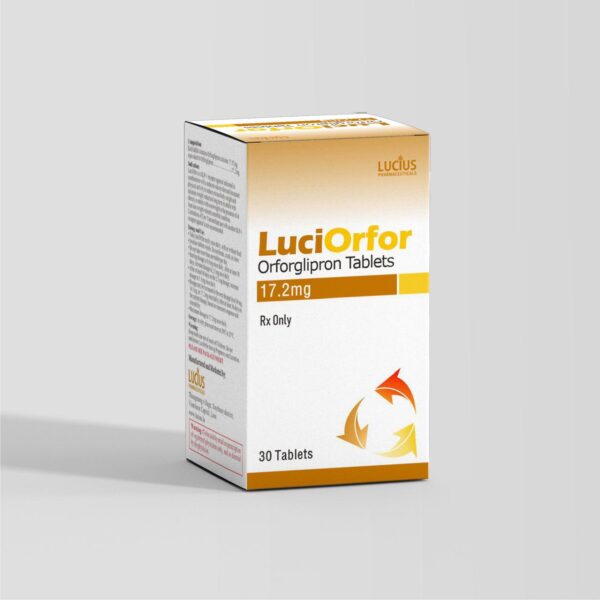
Luciorfor 17.2 mg Tablet
Price on request
Request pricing -
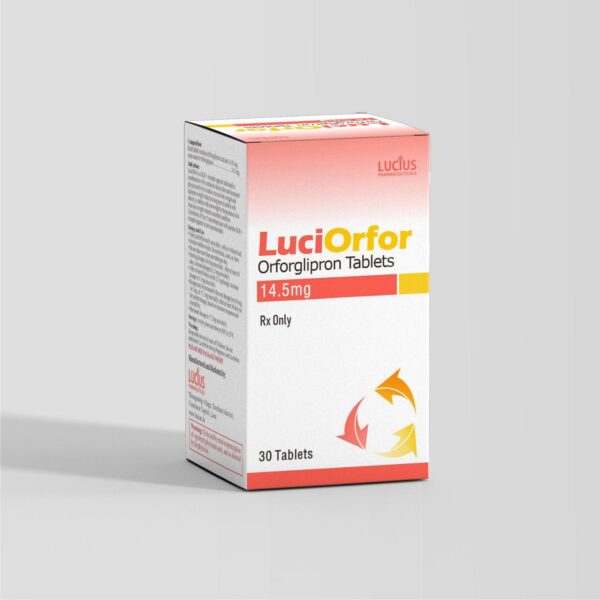
Luciorfor 14.5 mg Tablet
Price on request
Request pricing -
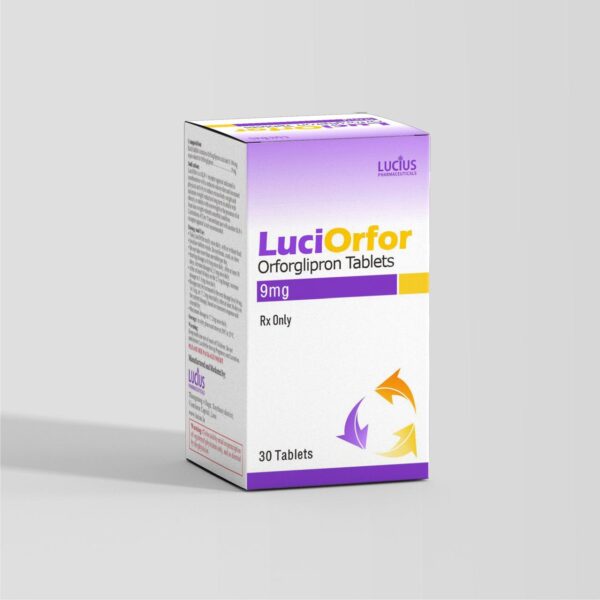
Luciorfor 9 mg Tablet
Price on request
Request pricing -
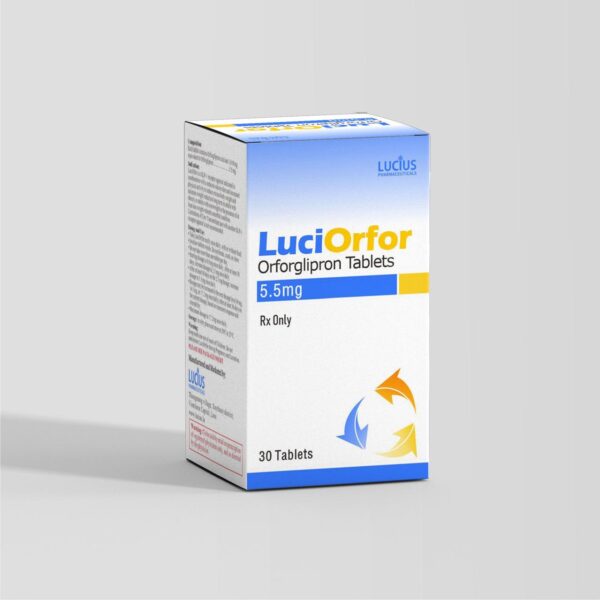
Luciorfor 5.5 mg Tablet
Price on request
Request pricing -
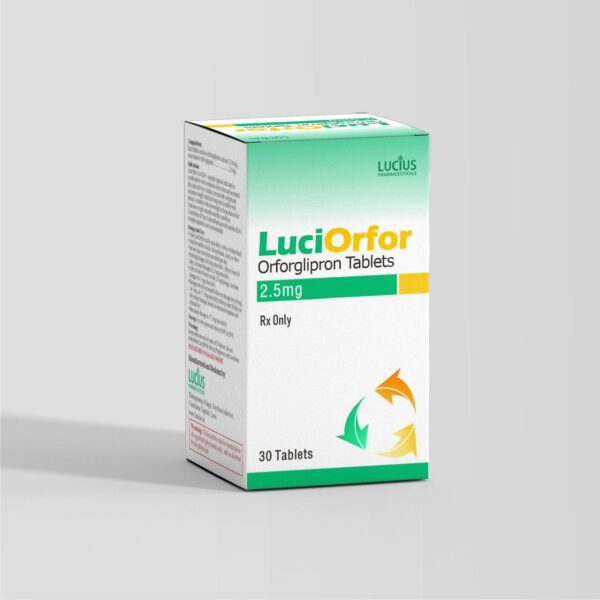
Luciorfor 2.5 mg Tablet
Price on request
Request pricing -
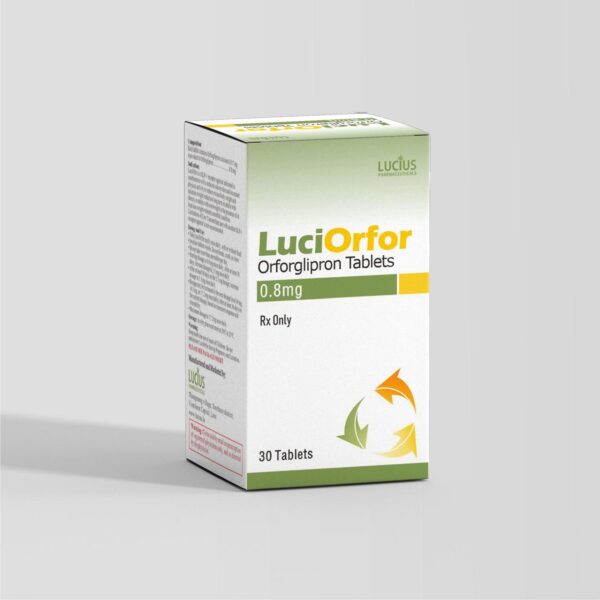
Luciorfor 0.8 mg Tablet
Price on request
Request pricing -
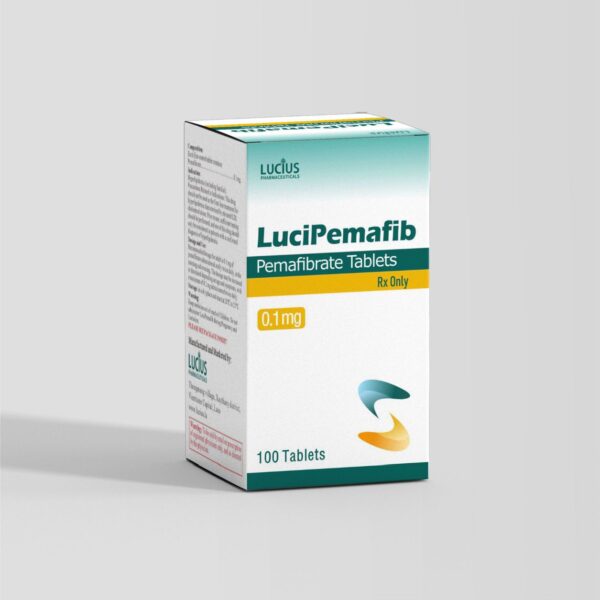
LuciPemafib 0.1 mg Tablet
Price on request
Request pricing -
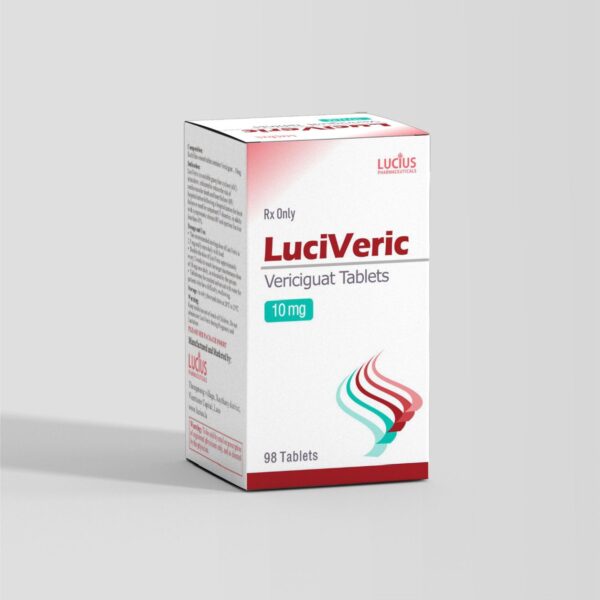
LuciVeric 10 mg Tablet
Price on request
Request pricing -
LuciLemb 5 mg Tablet
Price on request
Request pricing -
LuciElag 200 mg Tablet
Price on request
Request pricing
Related Reading
-
 Bone Marrow Transplant: A Complete Guide for Patients
The realization that you or someone close to you needs a bone marrow transplant can be extremely daunting. It may
Bone Marrow Transplant: A Complete Guide for Patients
The realization that you or someone close to you needs a bone marrow transplant can be extremely daunting. It may
-
 Ruxolitinib Tablets Receive FDA Approval for Hematologic Malignancies
The U.S. Food and Drug Administration (FDA) has approved Ruxolitinib tablets for the treatment of certain hematologic malignancies, marking another
Ruxolitinib Tablets Receive FDA Approval for Hematologic Malignancies
The U.S. Food and Drug Administration (FDA) has approved Ruxolitinib tablets for the treatment of certain hematologic malignancies, marking another
-
 Tovorafenib Approved in Europe for Children with BRAF-Altered Low-Grade Glioma
Medical Review: This article was reviewed by Dr. Sophie Reynolds on May 14, 2026. n This marks an important milestone
Tovorafenib Approved in Europe for Children with BRAF-Altered Low-Grade Glioma
Medical Review: This article was reviewed by Dr. Sophie Reynolds on May 14, 2026. n This marks an important milestone
-
 FDA Fast-Tracks Plixorafenib for BRAF V600E–Mutated Brain Tumors
Medical Review: This article was reviewed by Dr. Sophie Reynolds on April 14, 2026. n Brain tumors, especially high-grade gliomas,
FDA Fast-Tracks Plixorafenib for BRAF V600E–Mutated Brain Tumors
Medical Review: This article was reviewed by Dr. Sophie Reynolds on April 14, 2026. n Brain tumors, especially high-grade gliomas,
-
 What are the 4 stages of lung cancer?
Medical Review: This article was reviewed by Dr. Sophie Reynolds on April 7, 2026. n Lung cancer staging is a
What are the 4 stages of lung cancer?
Medical Review: This article was reviewed by Dr. Sophie Reynolds on April 7, 2026. n Lung cancer staging is a
-
 Sunvozertinib vs Chemo: A PFS Breakthrough in EGFR+ NSCLC
Medical Review: This article was reviewed by Dr. Sophie Reynolds on March 25, 2026. n The treatment landscape for EGFR-mutated
Sunvozertinib vs Chemo: A PFS Breakthrough in EGFR+ NSCLC
Medical Review: This article was reviewed by Dr. Sophie Reynolds on March 25, 2026. n The treatment landscape for EGFR-mutated
Shipping & Delivery
- Ships from
- India, worldwide delivery
- Order processing
- 1–3 business days after checks
- Transit time
- 5–7 business days by express courier
- Tracking
- Tracking number sent by email or SMS
- Packaging
- Discreet, tamper-evident, cold-chain available
- Duties & taxes
- Payable by the recipient on import
Only logged in customers who have purchased this product may leave a review.
Reviews
Clear filtersThere are no reviews yet.