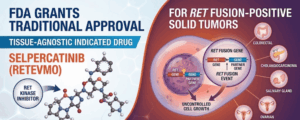
FDA Grants Traditional Approval to Selpercatinib for RET Fusion-Positive Solid Tumors
Medical Review Disclosure This content has been reviewed for medical accuracy. Always consult a qualified healthcare professional before making any
Understanding Cancer

Medical Review Disclosure
This content has been reviewed for medical accuracy. Always consult a qualified healthcare professional before making any medical decisions. [Last reviewed: 2026-02-11]
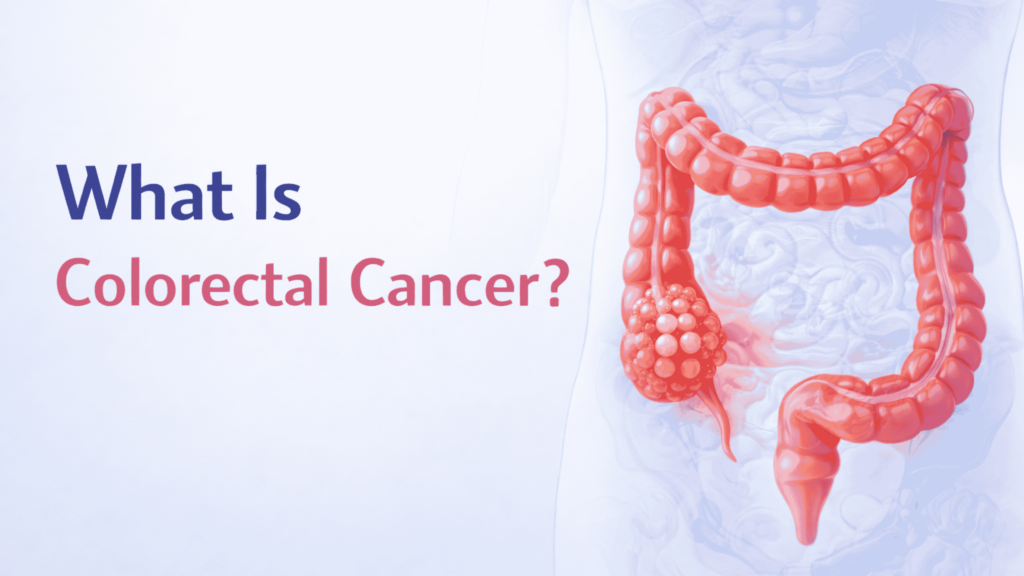
Colorectal cancer is a type of cancer that starts in the colon or rectum, both parts of the large intestine. It usually begins as a small growth called polyps, which can become cancerous.
Colorectal cancer is the third most common cancer in the world, but it’s also highly preventable with regular screenings and lifestyle changes.
Knowing the symptoms and risk factors can help in early detection, which increases the chances of a successful treatment.
Anyone can develop colorectal cancer, but some people are at higher risk. Age, diet, genetics, and lifestyle choices play a significant role. But what exactly causes it? Let’s take a closer look.
Colorectal cancer is a complex disease with multiple causes, including genetics, lifestyle choices, and medical conditions.
Understanding these risk factors can help you take steps to prevent them.
A strong family history of colorectal cancer can significantly increase your risk. If a parent, sibling, or close relative has been diagnosed, your chances of developing the disease are higher.
Some genetic conditions, such as Lynch syndrome (hereditary nonpolyposis colorectal cancer, or HNPCC) and familial adenomatous polyposis (FAP), also raise the risk. People with these conditions often develop polyps at an early age, which can turn cancerous over time.
If colorectal cancer runs in your family, consider genetic testing and regular screenings.
Your lifestyle plays a crucial role in determining your risk of colorectal cancer. Some common risk factors include:
Eating too much red and processed meat has been linked to an increased risk of colorectal cancer. The chemicals in these meats, such as nitrates and heterocyclic amines (HCAs), may damage the cells in the colon over time.
Additionally, a high-sugar diet can lead to obesity and insulin resistance, both of which are known to contribute to colorectal cancer.
Studies suggest that people who consume large amounts of sugary foods, processed snacks, and soda are more likely to develop colorectal cancer than those who follow a balanced diet.
To reduce your risk, replace processed foods with fruits, vegetables, whole grains, and lean proteins.
A diet low in fiber can negatively impact digestion, leading to constipation, inflammation, and an increased risk of colorectal cancer.
Fiber is essential for maintaining a healthy gut because it:
People who eat low-fiber, high-fat diets (such as processed foods, fast food, and refined grains) tend to have a higher risk of developing colorectal cancer.
Best fiber-rich foods: Whole grains, legumes, fruits, vegetables, nuts, and seeds.
Smoking and heavy alcohol use are major risk factors for colorectal cancer. Here’s why:
Certain medical conditions make colorectal cancer more likely, including:
While most cases of colorectal cancer occur in people over 50, recent studies show that more young adults are being diagnosed with the disease. The reasons are still unclear, but some possible factors include:
Because colorectal cancer in younger adults is often diagnosed at later stages, it’s important for everyone—regardless of age—to pay attention to symptoms and get screened if necessary.
If you’re under 50 and experience persistent digestive issues, blood in your stool, or unexplained weight loss, talk to your doctor about testing.
Colorectal cancer often starts with no symptoms, which is why screening is crucial.
| Category | Details |
|---|
| Why Screening Is Crucial? | Early detection can save lives by identifying cancer before symptoms appear, making treatment more effective. |
| Recommended Age to Start Screening | Doctors recommend starting at 45 years old. However, individuals with higher risk factors (such as family history or certain medical conditions) may need to start earlier. |
| Different Screening Methods | Colonoscopy – A small camera is used to examine the colon for polyps or other abnormal growths. |
| Stool Tests – Analyze stool samples to detect hidden blood or DNA changes that may indicate cancer. |
| Treatment Type | Details |
| Surgery | The most common treatment for colorectal cancer. Involves removing the tumor and affected tissue. |
| Traditional vs. Robotic Surgery | Robotic-assisted surgeries are becoming more common, offering greater precision and faster recovery. |
| Minimally Invasive Surgery | Laparoscopic surgery requires smaller incisions, leading to less pain and quicker healing. |
| Chemotherapy | Used when cancer has spread beyond the colon. Helps kill cancer cells or stop them from growing. |
| Common Chemotherapy Drugs | 5-FU, Oxaliplatin, Capecitabine are commonly used to treat colorectal cancer. |
| Radiation Therapy | Often used for rectal cancer to shrink tumors before surgery, making them easier to remove. |
| Targeted Therapy & Immunotherapy | New treatments that use the immune system or target specific cancer cells to stop growth. |
Eating a balanced diet rich in fiber, healthy fats, and probiotics can promote gut health and reduce inflammation in the colon. Here are some foods that may help lower your risk:
Best choices include spinach, kale, broccoli, Brussels sprouts, carrots, apples, beans, and whole grains.
Best Choices: Greek yogurt, kefir, sauerkraut, kimchi, miso, and kombucha.
Best Choices: Salmon, walnuts, flaxseeds, chia seeds, and almonds.
Yes! Studies suggest that probiotics in yogurt may help maintain gut health and lower colorectal cancer risk.
Diet changes, sedentary lifestyles, and unknown genetic factors may all contribute to the development of this condition.
No! Early-stage cancer has a high survival rate.
While there’s no 100% prevention, a healthy lifestyle and screenings significantly reduce the risk.
Medical Review Disclosure This content has been reviewed for medical accuracy. Always consult a qualified healthcare professional before making any
Medical Review Disclosure This content has been reviewed for medical accuracy. Always consult a qualified healthcare professional before making any
Medical Review Disclosure This content has been reviewed for medical accuracy. Always consult a qualified healthcare professional before making any
Our pharmacists can confirm availability, pricing and what your country requires for import.