








Ivosenib 250 mg Tablet
Please fill in the details below, and we’ll get back to you as soon as possible
Similar Products:
| Image | Product | Manufacturer / Marketed By | Price |
|---|---|---|---|

![]() | Lucivos 250 mg Tablet | Lucius Pharma | Ask for Price |
![]() | Tibsovo 250 mg Tablet | Servier | Ask for Price |
Description
Ivosenib 250 mg is a precision-targeted, once-daily oral cancer therapy that contains ivosidenib, a first-in-class inhibitor of mutant IDH1 (isocitrate dehydrogenase 1). This therapy is designed to treat specific cancers driven by an IDH1 gene mutation, which alters normal cellular metabolism and contributes to the development of cancer. In its mutated form, the IDH1 enzyme produces an abnormal metabolite called 2-hydroxyglutarate (2-HG). High levels of 2-HG interfere with the normal maturation (differentiation) of blood and tissue cells, keeping them in an immature, cancerous state. Ivosidenib works by selectively blocking the activity of the mutant IDH1 enzyme, thereby reducing 2-HG levels and restoring normal cell differentiation —a therapeutic approach known as differentiation therapy.
Therapeutic Areas
Ivosenib is approved and clinically proven to treat several IDH1 mutation–positive cancers:- Acute Myeloid Leukemia (AML): Used in both newly diagnosed and relapsed/refractory settings, especially in patients who are elderly or not eligible for intensive chemotherapy.
- Myelodysplastic Syndrome (MDS): Specifically for relapsed or refractory cases with confirmed IDH1 mutations.
- Cholangiocarcinoma (Bile Duct Cancer): For patients with advanced or metastatic disease who have received at least one prior line of systemic therapy.
Precision Oncology Advantage
Ivosenib offers a molecularly guided treatment by targeting the genetic abnormality fueling the cancer. It not only halts disease progression but also allows malignant cells to resume normal biological functions, leading to potential remission or disease stabilization. As a first-in-class therapy, it represents a significant advancement in personalized medicine for patients with IDH1-driven malignancies.Benefits
Ivosenib (ivosidenib) offers a novel, targeted approach to cancer treatment by addressing the genetic root cause of the disease in patients with IDH1 mutations. Its benefits span efficacy, convenience, and quality of life.
Directly Targets the Underlying Genetic Mutation
- Ivosenib specifically inhibits the mutant IDH1 enzyme, which is responsible for producing 2-hydroxyglutarate (2-HG), a toxic metabolite that blocks normal cell development.
- By reducing 2-HG levels, Ivosenib restores normal cell differentiation, enabling malignant cells to mature and die naturally —a therapeutic approach known as differentiation therapy.
- This precision mechanism addresses the cancer at its molecular origin, unlike traditional chemotherapy, which targets all rapidly dividing cells.
Convenient Oral Therapy for Home Use
- Ivosenib is taken once daily by mouth, offering a non-invasive alternative to IV chemotherapy.
- It supports at-home cancer care, making it ideal for elderly patients or those with limited access to infusion centers.
- Oral administration improves treatment adherence and patient independence.
3. Flexible Across Multiple Treatment Settings
- Proven effective as monotherapy for AML and MDS patients who are unfit for or resistant to chemotherapy.
- It can also be used in combination with azacitidine, enhancing remission rates in newly diagnosed AML.
- This versatility enables oncologists to tailor treatment plans to each patient’s age, comorbidities, and previous therapy responses.
4. Proven Survival Benefits in Multiple Cancers
- Clinical trials, including the AGILE and ClarIDHy studies, have demonstrated that Ivosenib significantly improves survival and disease-free progression in both acute myeloid leukemia (AML) and cholangiocarcinoma.
- In AML, it has been shown to increase remission rates and prolong overall survival, particularly when combined with azacitidine.
- In cholangiocarcinoma, Ivosenib delays disease progression in patients with limited treatment options.
Indications and Usage
Ivosenib 250 mg (ivosidenib) is indicated for the treatment of adult patients with cancers that test positive for an IDH1 mutation. Because ivosidenib works by targeting the abnormal IDH1 enzyme, genetic testing is essential before starting therapy to confirm eligibility.
Approved Indications:
1. Relapsed or Refractory Acute Myeloid Leukemia (AML)
- Use: Ivosenib is approved as a monotherapy for adult patients with IDH1-mutated AML whose disease has returned (relapsed) or failed to respond to prior treatment (refractory).
- Significance: Offers a non-chemotherapy option that focuses on correcting the molecular defect rather than killing cells broadly.
2. Newly Diagnosed AML in Older or Unfit Patients
- Use: For patients aged 75 years or older, or younger patients with comorbidities that make them ineligible for intensive induction chemotherapy.
- Administration: Ivosenib may be used alone or in combination with azacitidine, a DNA methylation inhibitor.
- Benefit: Provides a tolerable and effective alternative to traditional chemotherapy, improving survival while minimizing toxicity.
3. Relapsed or Refractory Myelodysplastic Syndrome (MDS)
- Use: Approved for adults with relapsed or refractory MDS who carry an IDH1 mutation.
- Clinical Role: Offers a targeted treatment where standard MDS therapies have failed or are unsuitable.
4. Advanced or Metastatic Cholangiocarcinoma
- Use: For patients with IDH1-mutant bile duct cancer that is unresectable or metastatic, and who have already received at least one prior systemic therapy.
- Impact: Ivosenib is the first targeted therapy approved for IDH1-mutated cholangiocarcinoma, offering a new hope in this aggressive disease.
How it Works
Ivosenib (ivosidenib) is a precision oncology drug designed to target a specific genetic mutation in cancer cells—the IDH1 (isocitrate dehydrogenase 1) mutation.
The Science Behind the Therapy:
- In its mutated form, IDH1 produces an abnormal metabolite called 2-hydroxyglutarate (2-HG).
- High levels of 2-HG disrupt normal gene regulation and block cell differentiation, preventing immature cells from developing into functioning blood or tissue cells.
- This blockage contributes to the uncontrolled proliferation of cancer cells, particularly in blood cancers like AML and MDS, and in solid tumors such as cholangiocarcinoma.
Ivosenib’s Mechanism of Action:
- Ivosenib selectively and irreversibly inhibits the mutated IDH1 enzyme.
- This action prevents the accumulation of 2-HG, allowing cells to resume normal maturation.
- As the abnormal cells differentiate into mature, functional cells, the number of cancerous blasts in the blood decreases, and tumor progression slows in solid cancers.
A Differentiation-Based Approach:
- Unlike traditional chemotherapy that destroys all rapidly dividing cells, Ivosenib uses a “differentiation therapy” strategy:
➤ It corrects the underlying metabolic defect, restoring healthy cellular development while minimizing toxicity to normal cells.
This unique mode of action not only treats the cancer but also helps reverse the biological block that causes it, making Ivosenib a cornerstone of molecularly targeted therapy in IDH1-mutant malignancies.
Dosage & Administration
Standard Recommended Dose
- 500 mg once daily, taken orally as two 250 mg tablets.
- Tablets may be taken with or without food.
- Swallow the tablets whole with water; do not crush, split, or chew them.
- Take the dose at the same time each day for the best therapeutic effect.
Combination Therapy (AML)
For patients with newly diagnosed acute myeloid leukemia (AML) who are ineligible for intensive chemotherapy:
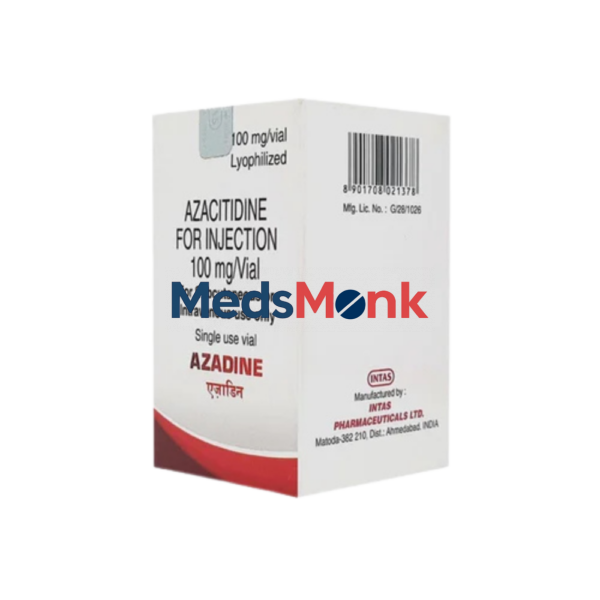
- Ivosenib is often combined with azacitidine, a hypomethylating agent.
- Azacitidine Dose: 75 mg/m² subcutaneously or intravenously on:
- Days 1–7 of each 28-day cycle, or
- Days 1–5 and 8–9 (alternative regimen).
- Days 1–7 of each 28-day cycle, or
This regimen should be continued as long as the patient continues to benefit clinically and adverse effects are manageable.
Duration of Therapy
- Continue Ivosenib treatment until disease progression or development of unacceptable toxicity.
- Clinical benefit is typically assessed after 6 months of continuous therapy, though some patients may respond earlier or later.
Dose Adjustments
Dose modification may be required in the following cases:
QT Prolongation
- If a patient develops QT interval prolongation (changes in heart rhythm), the dose may need to be reduced to 250 mg once daily or temporarily discontinued.
- Close ECG monitoring is recommended before and during treatment.
Differentiation Syndrome
- In the event of differentiation syndrome (a severe immune reaction related to cell maturation), Ivosenib should be:
- Temporarily held, and
- Managed with systemic corticosteroids and supportive care until symptoms resolve.
- Treatment can then be resumed at 250 mg daily, if clinically appropriate.
CYP3A4 Drug Interactions
- If co-administered with potent CYP3A4 inhibitors (e.g., itraconazole, clarithromycin):
- The Ivosenib dose should be reduced to 250 mg once daily.
- Monitor patients closely for side effects and therapeutic response.
- The Ivosenib dose should be reduced to 250 mg once daily.
Side Effects
Like all cancer therapies, Ivosenib may cause side effects. While many are manageable, some may require medical attention or adjustments to the dose. Patients should be monitored regularly to ensure safety during treatment.
Common Side Effects (Reported in ≥10% of patients)
These side effects are usually mild to moderate and may improve with supportive care:
- Fatigue – A frequent complaint in patients undergoing cancer treatment.
- Nausea – May be reduced by taking medication with food or using anti-nausea medication.
- Diarrhea or Constipation – Digestive system disruptions are common and may alternate.
- Cough – Often mild; report if persistent or associated with other respiratory symptoms.
These symptoms typically do not require discontinuation of treatment, but should be discussed with your healthcare provider if they become bothersome.
Serious Side Effects (≤10% of patients)
These less frequent but potentially dangerous effects require prompt recognition and treatment:
Differentiation Syndrome
- A potentially life-threatening complication caused by the rapid maturation of abnormal cells.
- Symptoms may include:
- Fever
- Rapid weight gain or fluid retention
- Low blood pressure
- Shortness of breath or new/worsening respiratory symptoms
- Management: Immediate treatment with corticosteroids and possible temporary discontinuation of Ivosenib.
QT Interval Prolongation
- Ivosenib may affect heart rhythm by prolonging the QT interval, increasing the risk of arrhythmias.
- Symptoms: Dizziness, fainting, irregular heartbeat.
- Monitoring: ECG tests are recommended before starting treatment and periodically during use to ensure safety.
Electrolyte Imbalance & Liver Toxicity
- Ivosenib can lead to low potassium or magnesium levels, which may contribute to cardiac risk.
- Liver function tests (LFTs) may show elevated enzymes, indicating liver stress.
- Management: Routine blood tests help detect and manage these imbalances early.
Warning and Precaution
To ensure safe and effective use of Ivosenib 250 mg, several critical safety measures must be followed. This targeted therapy requires close monitoring and consideration of patient-specific factors before and during treatment.
1. IDH1 Mutation Confirmation (Required)
- Ivosidenib is only indicated for cancers with a confirmed IDH1 gene mutation.
- A validated molecular diagnostic test must be performed before starting treatment.
- Patients without this mutation are unlikely to benefit from therapy and may be at unnecessary risk of side effects.
2. ECG & Laboratory Monitoring
- Electrocardiogram (ECG):
- Monitor at baseline, on Days 8 and 15, and periodically during treatment to check for QT interval prolongation, which may signal a risk of arrhythmias.
- Blood Tests:
- Regularly monitor electrolytes (especially potassium, magnesium, and calcium), as imbalances may increase cardiac risks.
- Assess liver function (AST, ALT, bilirubin) and complete blood counts (CBC) to detect potential hepatotoxicity or hematologic effects.
- More frequent monitoring is advised during the first 3 months or when symptoms suggest a side effect.
3. Drug Interactions
- Ivosenib is metabolized by the CYP3A4 enzyme, making it sensitive to interactions.
- Avoid co-use with potent CYP3A4 inhibitors (e.g., itraconazole, ketoconazole) and inducers (e.g., rifampin, phenytoin) as these can alter drug levels.
- If interaction cannot be avoided, dose adjustments and close monitoring are necessary to ensure optimal treatment outcomes. Consult prescribing information for guidance.
4. Reproductive Safety
- Pregnancy Risk:
- Ivosenib may cause fetal harm. Female patients of childbearing potential should use effective contraception during treatment and for at least one month after the final dose.
- Male patients with partners who could become pregnant should also use contraception during treatment and for at least one month afterward.
- Ivosenib may cause fetal harm. Female patients of childbearing potential should use effective contraception during treatment and for at least one month after the final dose.
- Breastfeeding:
- Breastfeeding is not recommended during treatment and for at least one week after the last dose, due to the risk of serious harm to the infant.
Patient Guidance
Proper storage and handling of Ivosenib 250 mg are crucial to maintain its effectiveness and ensure patient safety, as well as the safety of those around them.
Storage Instructions
- Store Ivosenib at a controlled room temperature of 20°C to 25°C (68°F to 77°F).
- Protect the tablets from excess moisture, heat, and direct sunlight. Do not store in bathrooms or near kitchen sinks.
- Avoid environments that are hot, humid, or prone to temperature fluctuations, such as cars or window sills.
Handling Recommendations
- Always store the medication in its original prescription container, which includes a desiccant packet to absorb moisture.
- Do not remove the desiccant or transfer tablets to other containers.
- Inspect tablets before use. Do not consume if they are chipped, broken, or discolored.
Disposal Guidance
- Do not flush unused or expired Ivosenib tablets down the toilet or throw them in regular trash.
- Use a pharmacy take-back program or follow local guidelines for safe disposal of cancer medications.
Safety Precautions
- Keep out of reach of children and pets to prevent accidental ingestion.
- Do not share your medication with anyone, even if they have similar symptoms or diagnoses. Ivosenib is prescribed based on individual genetic testing and clinical need.
Clinical Trial & Approvals
Ivosenib (ivosidenib) has been rigorously studied in multiple clinical trials and has received global regulatory approvals based on its ability to target IDH1 mutations and deliver meaningful outcomes in difficult-to-treat cancers.
1. Initial FDA Approval (2018): Relapsed or Refractory AML
- Indication: For adult patients with relapsed or refractory acute myeloid leukemia (AML) harboring an IDH1 mutation.
- Approval Basis: Supported by early-phase clinical data showing significant reduction in 2-HG levels, measurable complete remission (CR) rates, and improved survival in a population with otherwise limited treatment options.
- Significance: Marked the first approval of an IDH1 inhibitor, providing a new precision medicine option for blood cancer patients.
2. Expanded Indication (2019): Newly Diagnosed AML (Unfit for Chemotherapy)
- Indication: For newly diagnosed AML in adults aged ≥75 years or those with comorbidities that make them ineligible for intensive chemotherapy.
- Therapy Combination: Ivosenib used in combination with azacitidine, a hypomethylating agent.
- Clinical Data: Results from the AGILE Phase 3 trial showed:
- Improved event-free and overall survival
- Higher complete remission rates compared to azacitidine alone
- Improved event-free and overall survival
- Impact: Offers a low-intensity, targeted treatment for frail AML patients who previously had few options.
3. Cholangiocarcinoma Approval (2021): ClarIDHy Trial
- Indication: For patients with previously treated, locally advanced, or metastatic cholangiocarcinoma with an IDH1 mutation.
- Trial: The ClarIDHy Phase 3 trial demonstrated:
- Significantly longer progression-free survival (PFS) compared to placebo (median PFS: 2.7 vs. 1.4 months)
- A trend toward improved overall survival with crossover accounted for
- Significantly longer progression-free survival (PFS) compared to placebo (median PFS: 2.7 vs. 1.4 months)
- Regulatory Outcome: Led to FDA approval in 2021, making Ivosenib the first targeted therapy approved explicitly for this rare and aggressive liver cancer.
Summary of Key Milestones:
| Year | Indication | Trial | Key Results |
| 2018 | Relapsed/Refractory AML | Early phase trials | CR and OS benefit |
| 2019 | Frontline AML (elderly/ineligible) | AGILE (Phase 3) | Improved EFS & OS |
| 2021 | Cholangiocarcinoma | ClarIDHy (Phase 3) | Improved PFS & OS |
References
Drugs.com – Ivosidenib Drug Info Click here.
Drug Label / Prescribing Info Click here
FDA Approval Notice – Cholangiocarcinoma Click here
Drugs.com – Side Effects Info Click here
ClinicalTrials.eu – Ongoing Studies Click here
Packaged Prescribing Info Click here
Related Products
Related Posts:
No matching posts found.
Only logged in customers who have purchased this product may leave a review.


Reviews
Clear filtersThere are no reviews yet.