Description
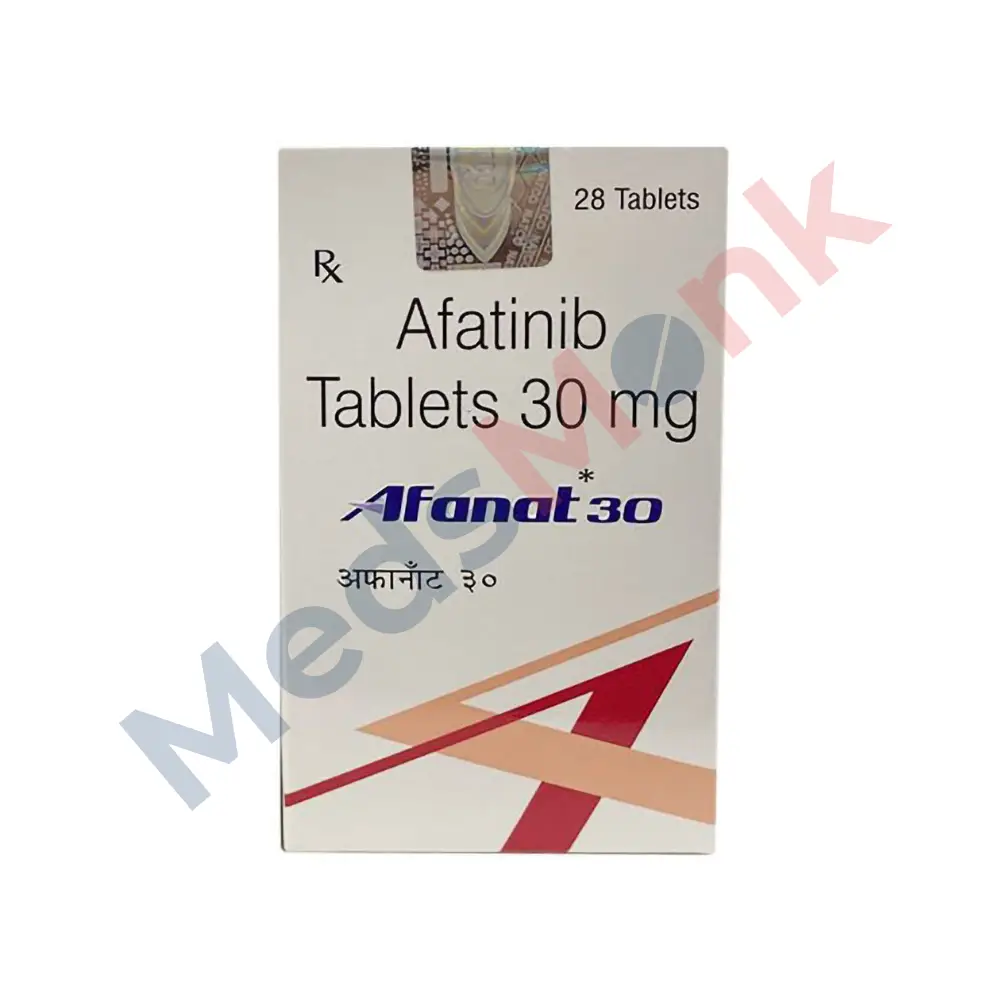
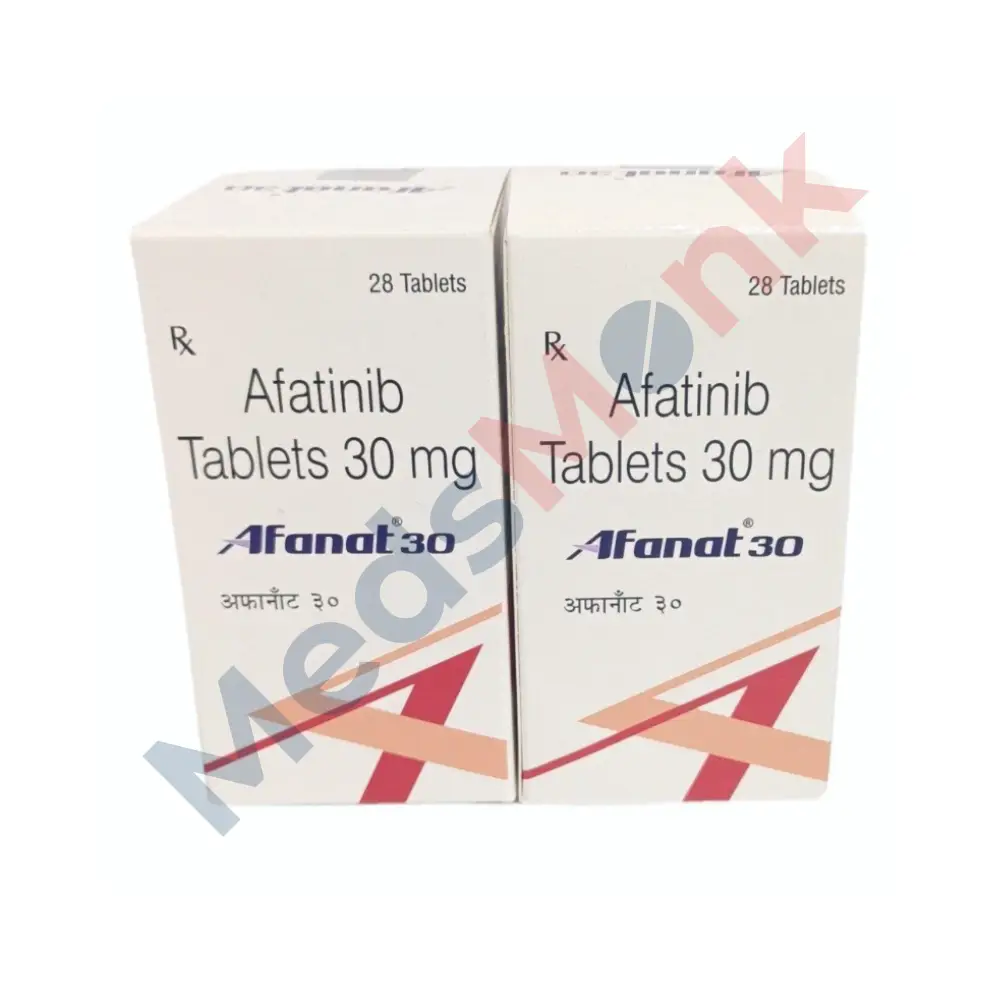
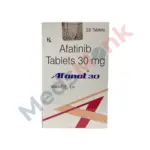
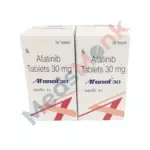
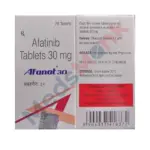
Afanat 30 mg Tablet contains Afatinib, a targeted cancer medicine used in the treatment of non-small cell lung cancer (NSCLC) that carries specific EGFR (epidermal growth factor receptor) mutations. It belongs to a class of medicines known as tyrosine kinase inhibitors (TKIs), which work by blocking the signals that promote cancer cell growth and spread.
This medicine is prescribed as a first-line therapy for adults with metastatic NSCLC and may also be used in patients who have not responded to prior chemotherapy. Afanat helps slow the progression of cancer, improve symptoms, and extend survival in suitable patients.
Key Benefits:
-
Specifically targets EGFR-positive lung cancer cells
-
Slows tumour growth and spread
-
Taken orally once daily
-
Trusted formulation by Natco Pharma
Dosage & Administration:
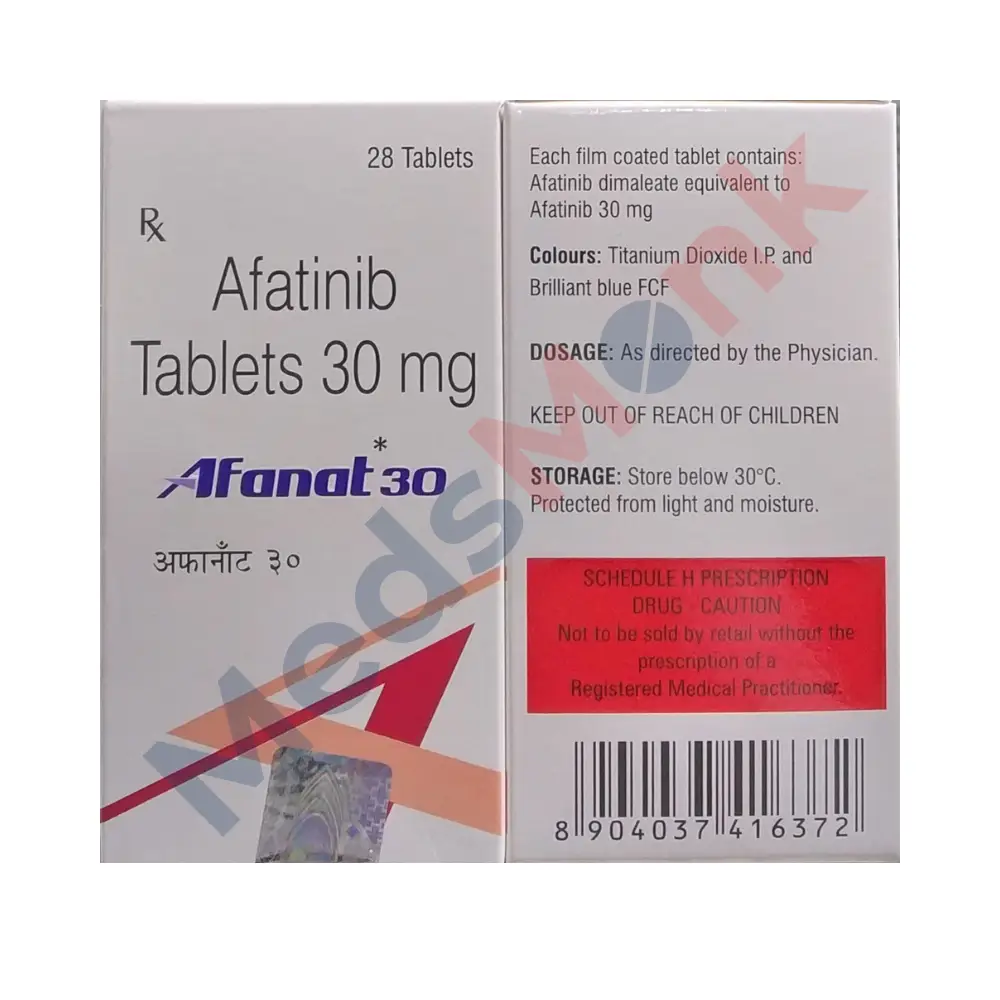
Take one tablet daily, or as prescribed by your oncologist. It should be taken on an empty stomach — at least 1 hour before or 2 hours after a meal. Swallow the tablet whole with water. Do not crush or chew.
Possible Side Effects:
Common side effects may include diarrhea, skin rash, dry skin, mouth sores, loss of appetite, or nausea. Contact your doctor if side effects persist or worsen.
Storage:
Store below 30°C in a cool, dry place. Keep away from direct sunlight and out of reach of children.
Warning:
Afanat 30 mg Tablet should be used only under medical supervision. It is not recommended during pregnancy or breastfeeding. Always consult your healthcare provider before starting or stopping this medication.













Reviews
Clear filtersThere are no reviews yet.