
Emtricitabine is an antiviral small-molecule drug widely used in the treatment and prevention of human immunodeficiency virus (HIV) infection. It belongs to the class of medicines known as nucleoside reverse transcriptase inhibitors (NRTIs), which form the backbone of many combination antiretroviral therapy regimens.
At the molecular level, Emtricitabine is a synthetic analog of cytidine, one of the natural building blocks of DNA. After oral administration, the drug is absorbed into cells and converted into its active triphosphate form. This activated molecule competes with natural nucleotides during viral DNA synthesis. When Emtricitabine is incorporated into the growing viral DNA chain by the HIV reverse transcriptase enzyme, it causes premature chain termination, effectively stopping viral replication.
What makes Emtricitabine particularly effective is its high selectivity for viral enzymes over human cellular enzymes. This selectivity allows it to suppress HIV replication with minimal interference in normal cellular DNA synthesis. As a result, Emtricitabine is well suited for long-term use, which is essential in chronic viral infections that require continuous treatment.
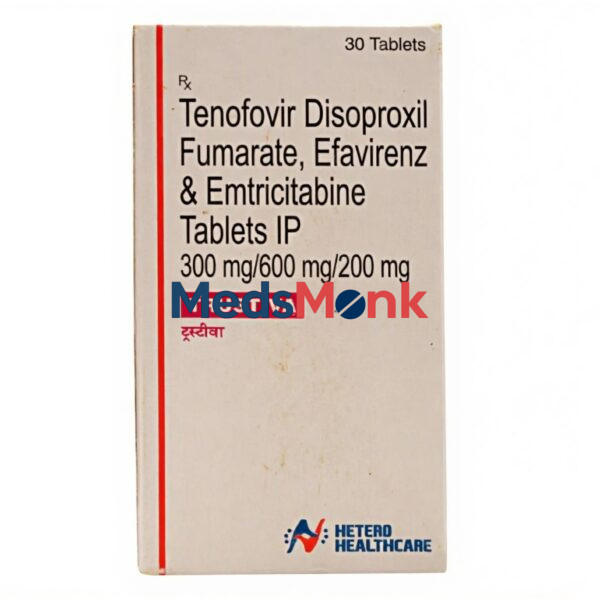
Emtricitabine is rarely used on its own. Instead, it is a core component of fixed-dose combination therapies, where it works alongside other antiretroviral agents that target different stages of the viral life cycle. This multi-drug approach reduces the risk of resistance development and provides durable viral suppression when taken consistently.
From a pharmaceutical standpoint, Emtricitabine is valued for its chemical stability, predictable absorption, and favorable pharmacokinetic profile. It has a long intracellular half-life, which supports once-daily dosing and helps maintain consistent antiviral activity even with minor variations in dosing time. These characteristics are particularly important in real-world treatment settings, where adherence plays a critical role in long-term outcomes.
Clinically, Emtricitabine is also used in HIV prevention strategies, including pre-exposure prophylaxis (PrEP), where sustained antiviral presence helps prevent viral establishment after exposure. In both treatment and prevention settings, the drug’s safety profile and molecular reliability are central to its widespread use.
Overall, Emtricitabine represents a mature and well-characterized antiviral molecule whose success lies in precise enzyme targeting, long-term tolerability, and compatibility with combination therapy. Its continued use reflects the importance of stable, well-designed molecules in managing chronic viral diseases where consistency and durability matter as much as potency.
Showing all 11 results





Last updated on 14-07-2026 22:35:52
Overview
- FaqWritten by:

Emtricitabine is an antiviral small-molecule drug widely used in the treatment and prevention of human immunodeficiency virus (HIV) infection. It belongs to the class of medicines known as nucleoside reverse transcriptase inhibitors (NRTIs), which form the backbone of many combination antiretroviral therapy regimens.
At the molecular level, Emtricitabine is a synthetic analog of cytidine, one of the natural building blocks of DNA. After oral administration, the drug is absorbed into cells and converted into its active triphosphate form. This activated molecule competes with natural nucleotides during viral DNA synthesis. When Emtricitabine is incorporated into the growing viral DNA chain by the HIV reverse transcriptase enzyme, it causes premature chain termination, effectively stopping viral replication.
What makes Emtricitabine particularly effective is its high selectivity for viral enzymes over human cellular enzymes. This selectivity allows it to suppress HIV replication with minimal interference in normal cellular DNA synthesis. As a result, Emtricitabine is well suited for long-term use, which is essential in chronic viral infections that require continuous treatment.
Emtricitabine is rarely used on its own. Instead, it is a core component of fixed-dose combination therapies, where it works alongside other antiretroviral agents that target different stages of the viral life cycle. This multi-drug approach reduces the risk of resistance development and provides durable viral suppression when taken consistently.
From a pharmaceutical standpoint, Emtricitabine is valued for its chemical stability, predictable absorption, and favorable pharmacokinetic profile. It has a long intracellular half-life, which supports once-daily dosing and helps maintain consistent antiviral activity even with minor variations in dosing time. These characteristics are particularly important in real-world treatment settings, where adherence plays a critical role in long-term outcomes.
Clinically, Emtricitabine is also used in HIV prevention strategies, including pre-exposure prophylaxis (PrEP), where sustained antiviral presence helps prevent viral establishment after exposure. In both treatment and prevention settings, the drug’s safety profile and molecular reliability are central to its widespread use.
Overall, Emtricitabine represents a mature and well-characterized antiviral molecule whose success lies in precise enzyme targeting, long-term tolerability, and compatibility with combination therapy. Its continued use reflects the importance of stable, well-designed molecules in managing chronic viral diseases where consistency and durability matter as much as potency.