
Bevacizumab is a biologic anticancer therapy widely used across multiple solid tumors. Unlike small-molecule inhibitors, Bevacizumab is a monoclonal antibody designed to block tumor blood-vessel formation, a process known as angiogenesis. By limiting a tumor’s blood supply, Bevacizumab helps slow tumor growth and disease progression.
At the molecular level, Bevacizumab specifically binds to vascular endothelial growth factor (VEGF-A), a key signaling protein that stimulates the formation of new blood vessels. By neutralizing VEGF-A before it can activate its receptors, Bevacizumab disrupts angiogenic signaling essential for tumor nourishment and expansion.
Because Bevacizumab is a complex biologic molecule, strict control over manufacturing consistency, molecular integrity, and storage conditions is essential. These factors directly influence clinical effectiveness, safety, and immunogenicity. Bevacizumab remains a foundational molecule in anti-angiogenic cancer therapy.
Showing all 8 results

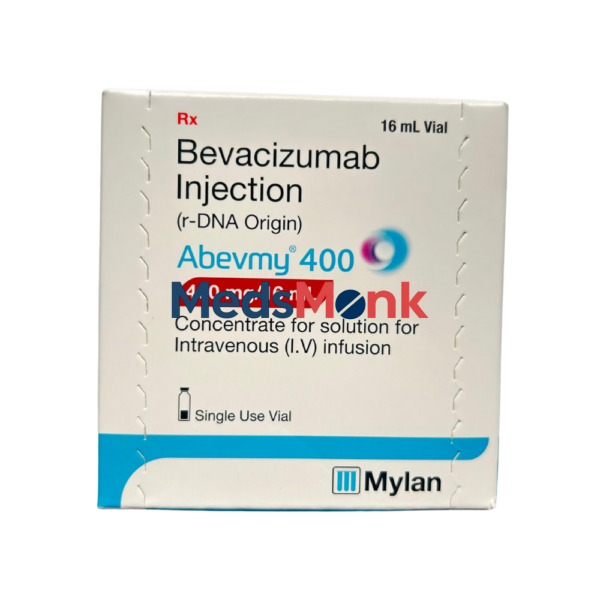
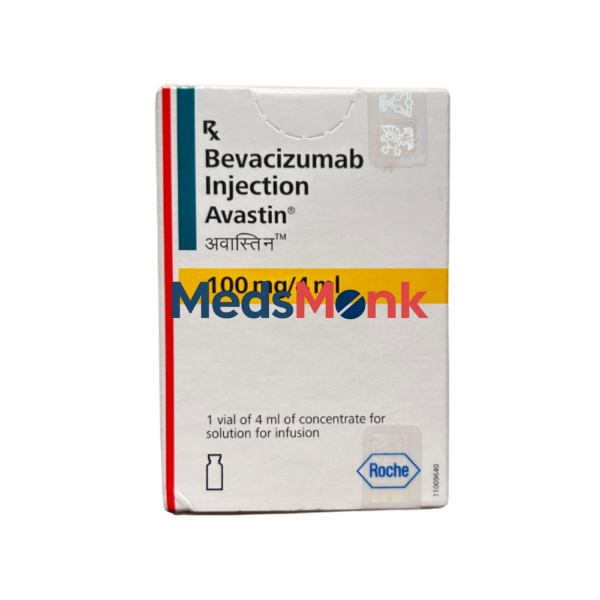
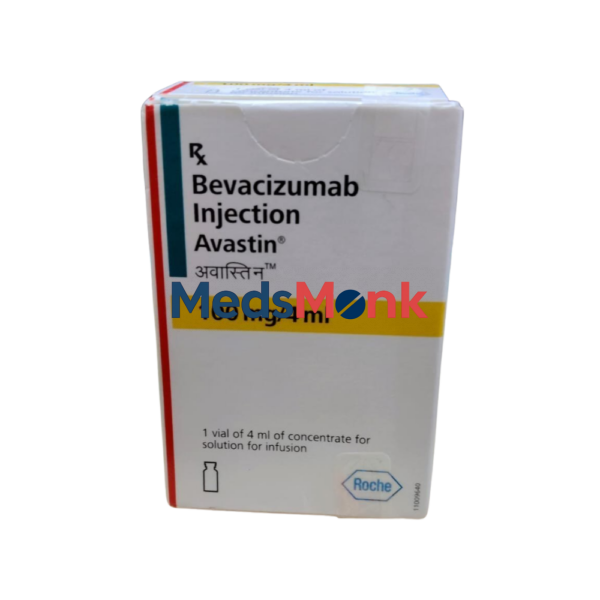
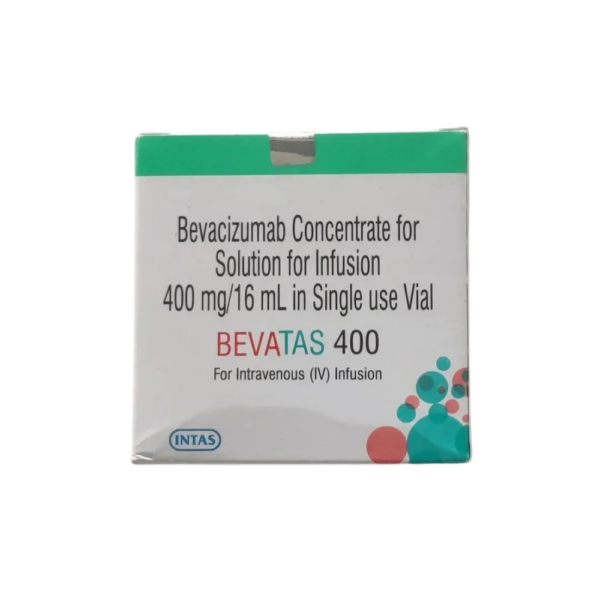
Last updated on 14-07-2026 22:35:53
Overview
- FaqWritten by:

Bevacizumab is a biologic anticancer therapy widely used across multiple solid tumors. Unlike small-molecule inhibitors, Bevacizumab is a monoclonal antibody designed to block tumor blood-vessel formation, a process known as angiogenesis. By limiting a tumor’s blood supply, Bevacizumab helps slow tumor growth and disease progression.
At the molecular level, Bevacizumab specifically binds to vascular endothelial growth factor (VEGF-A), a key signaling protein that stimulates the formation of new blood vessels. By neutralizing VEGF-A before it can activate its receptors, Bevacizumab disrupts angiogenic signaling essential for tumor nourishment and expansion.
Because Bevacizumab is a complex biologic molecule, strict control over manufacturing consistency, molecular integrity, and storage conditions is essential. These factors directly influence clinical effectiveness, safety, and immunogenicity. Bevacizumab remains a foundational molecule in anti-angiogenic cancer therapy.