
Molecule
Alectinib
Alectinib is used in prescription treatment plans. Learn dosage guidance, side effects, precautions, and available strengths at Medsmonk.

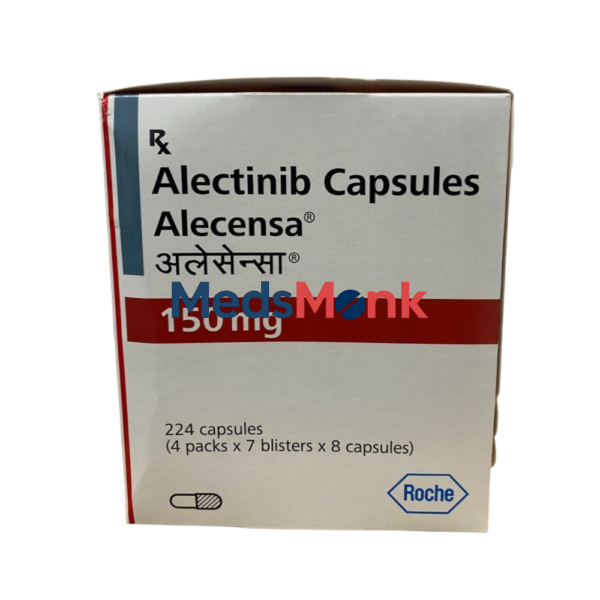
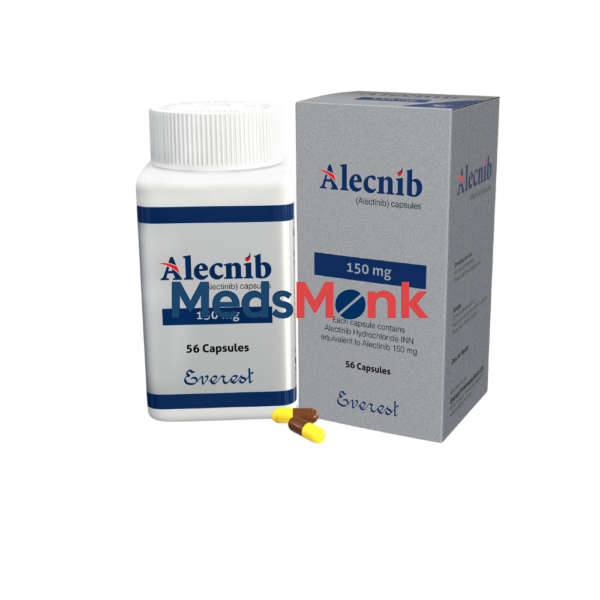
About Alectinib
Alectinib is a targeted small-molecule therapy used in the treatment of specific forms of lung cancer driven by genetic alterations. It is widely recognized for its role in precision oncology, particularly in patients whose tumors carry an anaplastic lymphoma kinase (ALK) gene rearrangement.
At the molecular level, Alectinib is a highly selective ALK tyrosine kinase inhibitor. By blocking abnormal ALK signaling, the molecule disrupts pathways that promote cancer cell growth and survival. Its molecular design also allows effective penetration into the central nervous system, making it especially valuable in managing brain metastases associated with ALK-positive lung cancer.
Because Alectinib is used as a long-term therapy, molecular stability, purity, and consistency are essential. These properties ensure reliable absorption, predictable pharmacological activity, and sustained therapeutic benefit. Alectinib has become a cornerstone molecule in the treatment of ALK-positive non-small cell lung cancer.
Prescribing Information
Prescribing information provides authoritative guidance on indications, dosage, administration, contraindications, and safety monitoring.
Clinical Trial Details
Alectinib has been evaluated in multiple clinical studies that support its use as a first-line and subsequent therapy in ALK-positive lung cancer. Key trials include ALEX, J-ALEX, and ALUR, which demonstrated superior progression-free survival and strong central nervous system efficacy compared to earlier ALK inhibitors.
FDA Approval Status
Alectinib is approved by the U.S. Food and Drug Administration for the treatment of patients with ALK-positive metastatic non-small cell lung cancer (NSCLC). It is marketed under the brand name Alecensa® by Genentech.
Need Alectinib?
Our pharmacists can confirm availability, pricing and what your country requires for import.