

Ruxolitinib Tablets Receive FDA Approval for Hematologic Malignancies
Medical Review Disclosure This content has been reviewed for medical accuracy. Always consult a qualified healthcare professional before making any
Cancer Medicine

Medical Review Disclosure
This content has been reviewed for medical accuracy. Always consult a qualified healthcare professional before making any medical decisions. [Last reviewed: 2026-02-11]
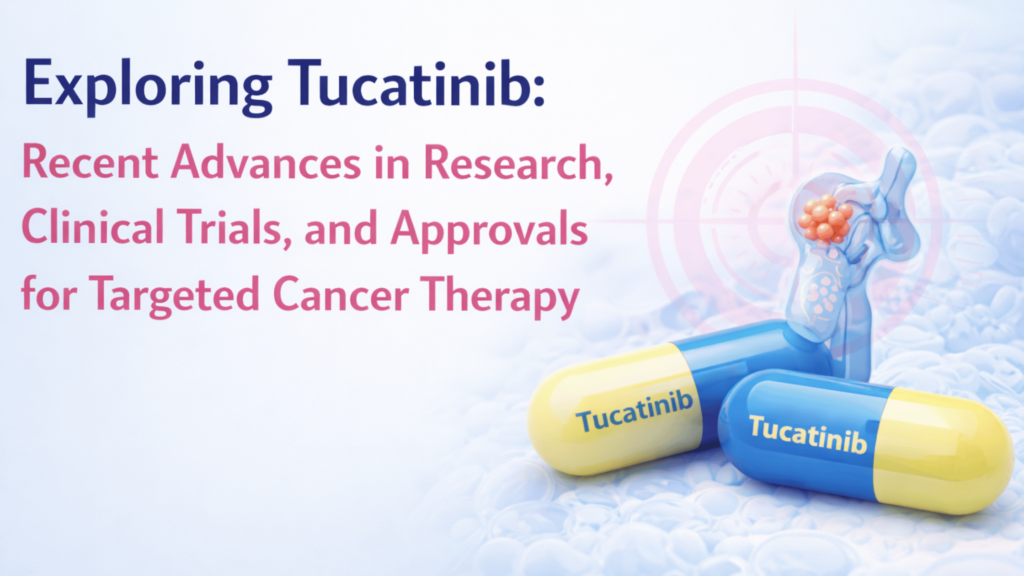
Tucatinib is an innovative oral medication that has emerged as a key player in the treatment landscape for HER2-positive cancers. Specifically designed to target the human epidermal growth factor receptor 2 (HER2), this drug is primarily indicated for patients with breast cancer that is resistant to traditional therapies. Tucatinib’s development is a significant advancement in precision oncology, offering a more tailored approach to cancer treatment.
The drug was developed by Seagen and has generated considerable interest due to its promising efficacy in clinical trials. It is particularly beneficial for patients with metastatic breast cancer, especially those who have previously been treated with other HER2-targeted therapies. Tucatinib’s ability to penetrate the blood-brain barrier makes it a unique option for patients with central nervous system (CNS) metastases, a common complication in advanced breast cancer cases.
Tucatinib is primarily indicated for adults with unresectable locally advanced or metastatic HER2-positive breast cancer. The drug is often used in combination with other therapies, such as trastuzumab and capecitabine, to enhance treatment efficacy. This combination therapy approach has been shown to improve outcomes compared to using tucatinib alone, particularly in patients with prior treatments.
Moreover, tucatinib’s safety and effectiveness have been evaluated in various demographics, including patients with brain metastases, providing hope to a subset of cancer patients who have limited treatment options. The indication for use in these patients marks a significant step forward in the management of HER2-positive breast cancer, particularly for those with complex health scenarios.
When compared to other HER2-targeted therapies, such as trastuzumab and lapatinib, tucatinib shows distinct advantages, particularly in terms of specificity and side effect profile. Trastuzumab has been a cornerstone in HER2-positive breast cancer treatment but often requires intravenous administration, which can be burdensome for patients.
On the other hand, tucatinib is administered orally, making it more convenient for patients. Importantly, tucatinib has demonstrated efficacy in patients who have progressed on other HER2-directed therapies, showcasing its potential to address treatment resistance in this patient population.
Tucatinib selectively inhibits the HER2 protein, which is overexpressed in certain breast cancers. By binding to the intracellular portion of the HER2 receptor, tucatinib blocks the activation of downstream signaling pathways that lead to cell proliferation and survival. This action is crucial in reducing tumor growth and metastasis in HER2-positive cancers.
Additionally, tucatinib’s selective targeting minimizes interaction with other HER family receptors (like HER1 and HER3), which can reduce the risk of adverse effects commonly associated with broader-spectrum HER inhibitors. This specificity not only enhances its therapeutic window but also contributes to improved patient tolerance during treatment.
The inhibition of HER2 signaling by tucatinib results in a cascade of effects that ultimately leads to decreased tumor cell proliferation and increased apoptosis (programmed cell death). By impeding these critical survival pathways, tucatinib effectively shrinks tumors and hinders their ability to invade surrounding tissues.
Furthermore, the combination of tucatinib with other agents like trastuzumab significantly amplifies this effect, leading to enhanced anti-tumor activity. Patients receiving this combination therapy have shown improved progression-free survival, indicating tucatinib’s pivotal role in comprehensive cancer management.
Tucatinib has been shown to have synergistic effects when combined with other therapeutic agents, enhancing the overall treatment outcomes for patients with HER2-positive breast cancer. In clinical studies, it has been effectively paired with trastuzumab, a monoclonal antibody that also targets HER2, providing a robust strategy to tackle cancer cells from multiple angles.
This combination not only improves the response rate but also helps in managing drug resistance, a significant hurdle in advanced cancer treatment. Ongoing research continues to explore potential combinations with chemotherapeutic agents and immunotherapies to further optimize treatment strategies.
Recent clinical trials have solidified tucatinib’s role in treating HER2-positive breast cancer, particularly in patients with brain metastases. The HER2CLIMB trial, a pivotal study, demonstrated that tucatinib, when used alongside trastuzumab and capecitabine, led to significant improvements in progression-free survival and overall survival compared to trastuzumab and capecitabine alone.
These findings illustrate tucatinib’s potential to offer meaningful survival benefits and underscore its importance in the treatment paradigm for HER2-positive breast cancer, especially for patients with difficult-to-treat CNS lesions.
The patient demographics involved in clinical trials of tucatinib have typically included a diverse population with varying stages of HER2-positive breast cancer. Outcomes have been promising across different age groups and treatment histories, highlighting tucatinib’s adaptability in real-world patient scenarios.
Notably, the efficacy of tucatinib in older populations and those with comorbidities suggests that it can be a viable option for a broader range of patients, addressing the critical need for effective treatments in these groups.
Future research is poised to explore additional indications for tucatinib, including its potential application in other HER2-overexpressing cancers, such as gastric cancer. As the understanding of HER2 signaling pathways expands, tucatinib may find utility in more oncologic contexts beyond breast cancer.
Clinical trials are also investigating the use of tucatinib in combination with immunotherapies and novel agents targeting the tumor microenvironment, opening new avenues for enhancing its efficacy and broadening its therapeutic landscape.
Tucatinib received accelerated approval from the FDA in April 2020 for use in patients with metastatic HER2-positive breast cancer, particularly those who had undergone prior therapy. This swift approval was based on the promising early results from clinical trials, showcasing the urgency to address unmet needs in this patient population.
Subsequent results from the HER2CLIMB trial further solidified its approval status, allowing healthcare providers a new avenue to improve patient outcomes in advanced HER2-positive breast cancer.
The primary FDA-approved indication for tucatinib is in combination with trastuzumab and capecitabine for patients with locally advanced or metastatic HER2-positive breast cancer, inclusive of those with brain metastases. This approval is significant, as it provides a new treatment option for a demographic previously lacking effective therapies.
These approvals also underscore the importance of continued research and development in targeted therapies, emphasizing the shift towards more personalized treatment strategies in oncology.
Post-marketing studies and surveillance have been initiated to monitor the long-term effects and overall effectiveness of tucatinib in clinical practice. These studies are crucial for understanding its safety profile and any potential side effects that may not have been evident during initial clinical trials.
Data from these studies will also help refine treatment guidelines and provide insights into the real-world effectiveness of tucatinib, ensuring that it continues to meet patient needs as more information becomes available.
Tucatinib exemplifies the principles of precision medicine, targeting a specific receptor implicated in tumor growth. Its development represents a shift in oncology towards personalized therapies that take into account the unique characteristics of a patient’s cancer.
This precision approach not only enhances treatment effectiveness but also minimizes unnecessary exposure to treatments that may not benefit the patient, thereby improving their overall quality of life during cancer therapy.
The integration of tucatinib into existing treatment protocols for HER2-positive breast cancer represents a significant advancement in clinical practice. Oncologists now have the ability to tailor treatment regimens based on the specific profiles of their patients, balancing efficacy with quality of life considerations.
As clinical guidelines continue to evolve, the role of tucatinib will likely expand, potentially becoming a standard component of combination therapies for managing HER2-positive tumors effectively.
Numerous case studies have highlighted the positive outcomes associated with tucatinib treatment, showcasing significant reductions in tumor size and improvements in patient symptoms. For instance, patients with previously resistant brain metastases have demonstrated remarkable responses to tucatinib, emphasizing its potential as a life-changing therapy.
These success stories serve not only as testimonials to the drug’s efficacy but also as encouragement for ongoing research and the exploration of tucatinib in various oncologic contexts.
One of the most significant impacts of tucatinib has been its associated improvements in patient quality of life. By effectively managing tumor growth and addressing symptomatic issues, patients undergoing tucatinib therapy report enhanced overall well-being and functional status.
This improvement in quality of life is paramount, as it directly influences patient adherence to treatment regimens and overall satisfaction with their care. As patients feel better physically and mentally, they are more likely to remain engaged in their treatment journey.
Clinical data surrounding tucatinib indicate a marked improvement in overall survival rates for patients with HER2-positive breast cancer, particularly among those with brain metastases. The HER2CLIMB trial revealed that patients receiving tucatinib in combination with other agents experienced a significant increase in survival rates compared to traditional therapies.
These findings not only validate the clinical utility of tucatinib but also reinforce the importance of targeted therapies in extending the lives of cancer patients, paving the way for further advancements in oncology.
Tucatinib’s introduction into the oncology landscape has fundamentally altered the treatment paradigm for HER2-positive breast cancer. By offering a viable option for patients with advanced disease and brain metastases, tucatinib has addressed a critical gap in existing therapies.
This shift represents a broader trend towards precision medicine in oncology, where treatments are increasingly tailored to the genetic and molecular characteristics of tumors, providing hope for more effective and personalized cancer care strategies.
The future of tucatinib looks promising, with ongoing research exploring its potential applications beyond breast cancer. Investigators are actively studying its effectiveness in other HER2-overexpressing malignancies, which could expand its use significantly.
Additionally, new clinical trials are assessing combinations with emerging agents, including immunotherapy, that could yield synergistic effects and further improve patient outcomes across various tumor types.
Medical Review Disclosure This content has been reviewed for medical accuracy. Always consult a qualified healthcare professional before making any
Medical Review Disclosure This content has been reviewed for medical accuracy. Always consult a qualified healthcare professional before making any
Medical Review Disclosure This content has been reviewed for medical accuracy. Always consult a qualified healthcare professional before making any
Our pharmacists can confirm availability, pricing and what your country requires for import.