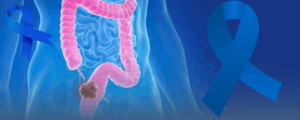
EU Approves New Targeted Treatment Combo for Advanced BRAF-Mutant Colon Cancer
Medical Review DisclosureThis content has been reviewed for medical accuracy. Always consult a qualified healthcare professional before making any medical
Uncategorized

Medical Review Disclosure
This content has been reviewed for medical accuracy. Always consult a qualified healthcare professional before making any medical decisions. [Last reviewed: 2026-05-16]
n
Human Immunodeficiency Virus (HIV) is a chronic viral infection that attacks the body’s immune system. Among its types, HIV-1 is the most common and is responsible for the vast majority of infections worldwide. If left untreated, HIV-1 can progressively weaken the immune system and lead to AIDS (Acquired Immunodeficiency Syndrome).
In this detailed guide, we’ll explain HIV-1 in simple yet comprehensive terms—covering how it works, how it spreads, and how it affects the body over time.
HIV-1 is a retrovirus, meaning it inserts its genetic material into human cells to replicate. It primarily targets CD4 T-cells (helper T-cells), which are a crucial part of the immune system responsible for coordinating the body’s defense against infections.
When HIV-1 infects these cells, it:
As the number of CD4 cells drops, the body becomes increasingly vulnerable to infections and diseases.
HIV-1 is not just any virus—it has a unique structure that makes it difficult to eliminate.
This complex life cycle is why HIV requires combination drug therapy (ART) to control it effectively.
There are two main types of HIV:
| Feature | HIV-1 | HIV-2 |
|---|---|---|
| Prevalence | Most common worldwide | Less common |
| Transmission | Easier to spread | Less easily transmitted |
| Progression | Faster disease progression | Slower progression |
HIV-1 accounts for the vast majority of global HIV cases.
HIV-1 is transmitted through certain body fluids:
Blood
Semen
Vaginal fluids
Rectal fluids
Breast milk
Unprotected sexual contact
Sharing contaminated needles
Blood transfusions (rare with modern screening)
From mother to child during pregnancy, childbirth, or breastfeeding
HIV is not spread through casual contact like hugging, shaking hands, or sharing food.
HIV-1 primarily damages the immune system, but its effects occur in stages.
This stage occurs 2–4 weeks after infection.
Rapid virus replication
Sudden drop in CD4 cells
High viral load (amount of virus in blood)
Fever
Sore throat
Rash
Swollen lymph nodes
Fatigue
These symptoms are often mistaken for the flu and may go unnoticed.
Also called the asymptomatic stage, this phase can last several years.
Virus remains active but reproduces at low levels
CD4 cells gradually decrease
Few or no symptoms
Without treatment, HIV continues to weaken the immune system silently.
If untreated, HIV progresses to Acquired Immunodeficiency Syndrome (AIDS).
Severe immune system damage
CD4 count drops below critical levels
High risk of life-threatening infections
Tuberculosis
Pneumonia
Certain cancers (e.g., Kaposi sarcoma)
At this stage, the body cannot effectively fight infections.
[Source: Mayo Clinic]
HIV enters the bloodstream
Attacks CD4 immune cells
Uses these cells to replicate
Gradually destroys immune defenses
Over time, the body becomes more vulnerable to infections that a healthy immune system would normally control.
Symptoms vary depending on the stage:
Fever
Headache
Muscle aches
Rash
Weight loss
Chronic diarrhea
Night sweats
Persistent infections
Some people may not show symptoms for years.
Early detection of HIV-1 is crucial because:
Treatment can start early
Immune system damage can be slowed
Risk of transmission to others is reduced
Life expectancy improves significantly
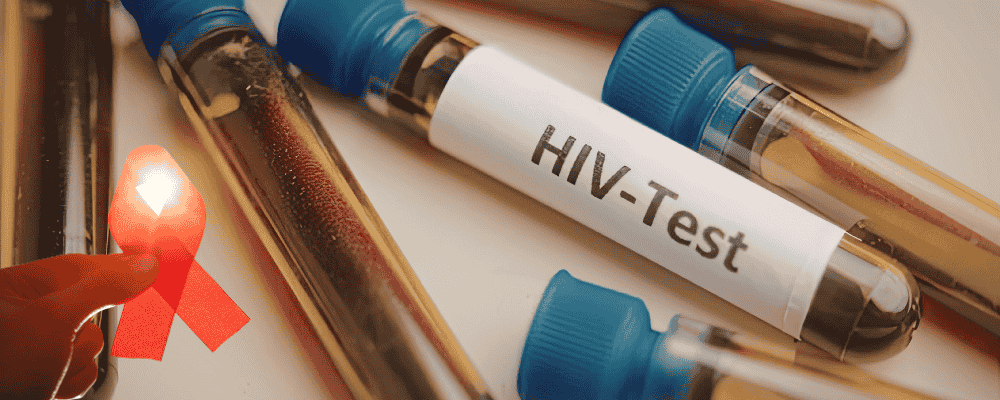
HIV testing is the only way to confirm infection.
There is currently no cure for HIV, but it can be effectively managed with antiretroviral therapy (ART).
Reduces viral load in the blood
Protects CD4 cells
Prevents progression to AIDS
With proper treatment:
People with HIV can live long, healthy lives
Viral load can become undetectable
Risk of transmission becomes extremely low
You can reduce the risk of HIV infection by:
Practicing safe sex (using condoms)
Avoiding sharing needles
Getting regular HIV testing
Using preventive medications like PrEP (pre-exposure prophylaxis)
HIV-1 is a serious but manageable condition that affects the immune system. While it can weaken the body over time, modern treatments like ART allow people living with HIV to lead long and healthy lives.
Understanding how HIV-1 works, how it spreads, and how it affects the body is essential for prevention, early diagnosis, and effective treatment.
No, but it can be controlled with treatment.
With proper treatment, life expectancy can be near normal.
Yes, through safe practices and preventive medications.
HIV is the virus; AIDS is the advanced stage of infection.
Through blood or saliva tests.
CDC – About HIV
https://www.cdc.gov/hiv/about/index.html
WHO – HIV/AIDS Fact Sheet
https://www.who.int/news-room/fact-sheets/detail/hiv-aids
HIV.gov – What Are HIV and AIDS?
https://www.hiv.gov/hiv-basics/overview/about-hiv-and-aids/what-are-hiv-and-aids
Mayo Clinic – HIV/AIDS
https://www.mayoclinic.org/diseases-conditions/hiv-aids/symptoms-causes/syc-20373524
Wikipedia – HIV Overview
https://en.wikipedia.org/wiki/HIV
This content is for informational purposes only and does not substitute professional medical advice. Always consult a qualified healthcare provider for diagnosis, treatment, or medical concerns.
Medical Review DisclosureThis content has been reviewed for medical accuracy. Always consult a qualified healthcare professional before making any medical
Medical Review DisclosureThis content has been reviewed for medical accuracy. Always consult a qualified healthcare professional before making any medical
Our pharmacists can confirm availability, pricing and what your country requires for import.