Written by:
Dr. Sophie Reynolds

Dr. Sophie Reynolds is a board-certified medical doctor specializing in internal medicine. With over a decade of experience in patient care and medical writing

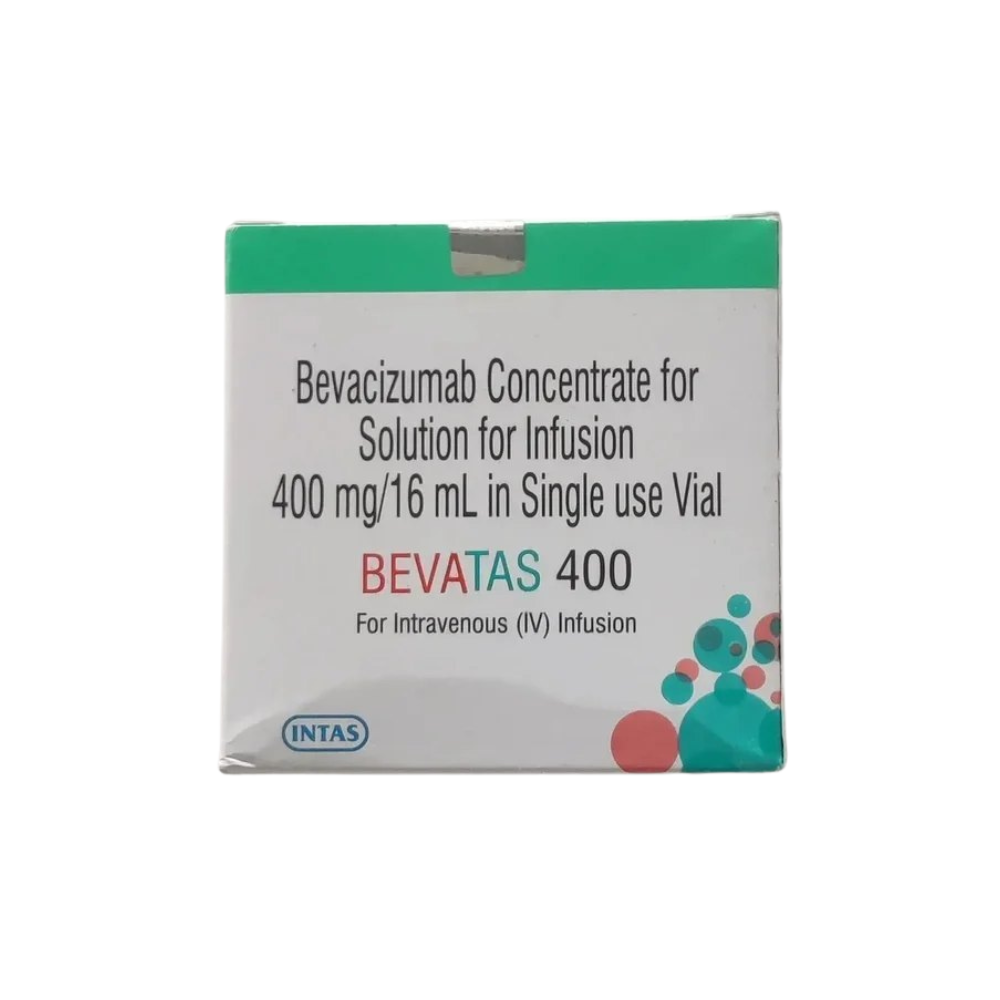
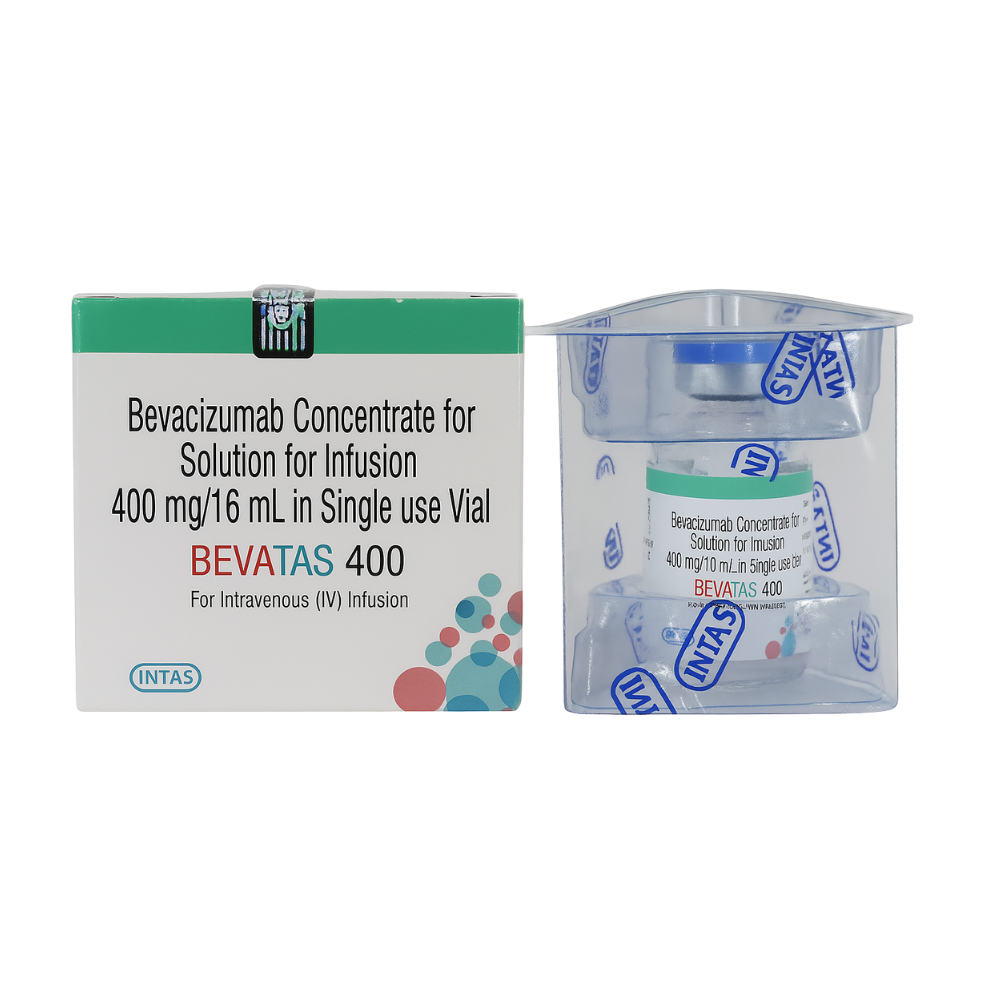
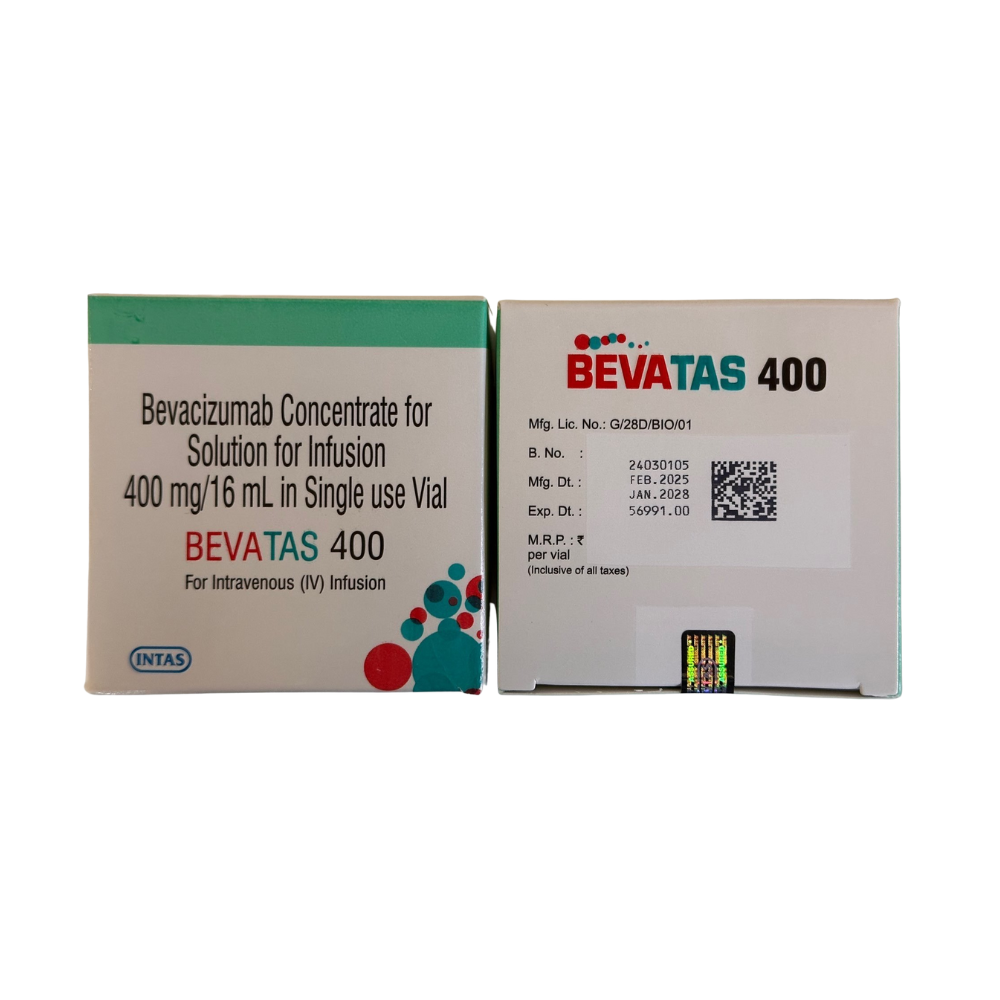
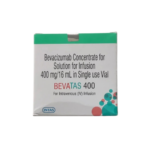
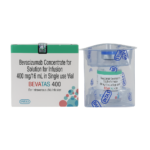
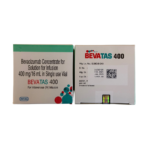
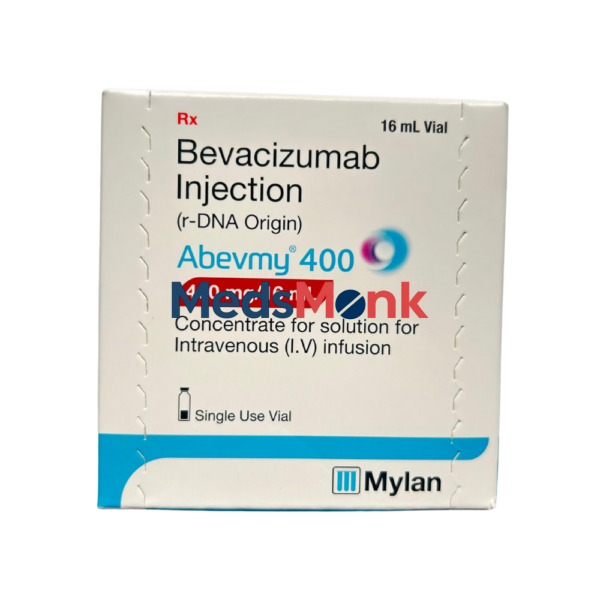
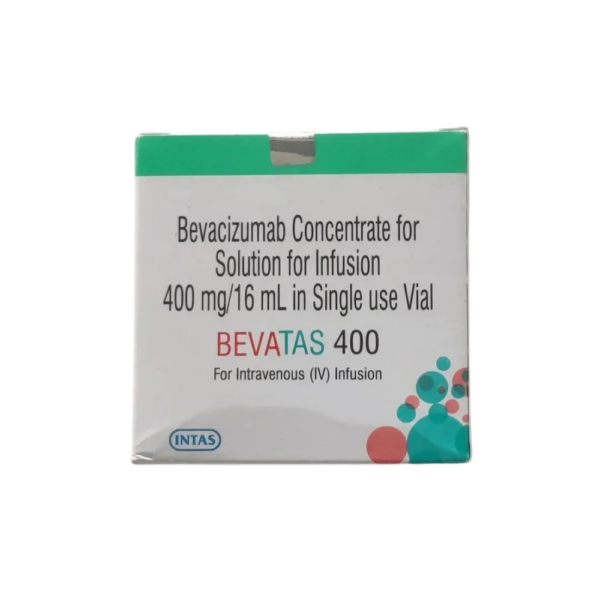
Bevatas 400mg Injection

Brand Name:   Bevatas
Molecule:   Bevacizumab
Strength:   400 mg
Quantity:   1 Vial
Form:   Injection
Packaging Type:   Vial
Manufacturer/Marketed By:   Intas Pharma
Country of Origin:   India

Description

Bevatas 400 mg Injection contains Bevacizumab, an anticancer medicine used as part of combination therapy for the treatment of several advanced and metastatic cancers. It works by inhibiting the formation of new blood vessels that supply oxygen and nutrients to tumors, thereby slowing cancer growth and progression.

Bevatas 400 mg Injection is commonly prescribed along with other chemotherapy medicines for cancers of the breast, brain, cervix, kidney, lung, colon, rectum, ovary, fallopian tube, and primary peritoneum. It may also be used in certain cases of liver cancer.

Effective contraception is required during treatment and for at least 6 months after the last dose, as this medicine may harm an unborn baby and affect fertility. Bevatas 400 mg Injection is not recommended for children and adolescents below 18 years of age. Breastfeeding should be avoided during treatment and for several months afterward, as the medicine may interfere with the child’s growth and development.

Benefits

  • Helps slow tumor growth by blocking the formation of new blood vessels that supply cancer cells

  • Enhances the effectiveness of chemotherapy when used in combination treatment regimens

  • Supports disease control in several advanced and metastatic cancers

  • May help delay cancer progression and improve treatment outcomes

  • Targets cancer growth through a specific biological pathway (VEGF inhibition)

  • Suitable for long-term treatment under specialist supervision in eligible patients

Indications and Usage

Bevatas 400 mg Injection is indicated for use in the treatment of the following cancers, either alone or in combination with other chemotherapy medicines, as prescribed by an oncologist:

  • Metastatic colorectal cancer

  • Advanced non-small cell lung cancer (NSCLC)

  • Glioblastoma multiforme (brain cancer)

  • Persistent, recurrent, or metastatic cervical cancer

  • Advanced renal cell carcinoma (kidney cancer)

  • Metastatic breast cancer

  • Hepatocellular carcinoma (liver cancer)

  • Cancers of the ovary, fallopian tube, or primary peritoneum

Bevatas 400 mg Injection is administered intravenously and should be used only under the supervision of a qualified healthcare professional.

How it Works

Bevatas 400 mg Injection contains Bevacizumab, a targeted monoclonal antibody that works by blocking vascular endothelial growth factor (VEGF). VEGF is a protein responsible for the formation of new blood vessels that supply oxygen and nutrients to tumors.

By inhibiting VEGF, Bevatas prevents the development of these blood vessels, reducing the tumor’s blood supply. This helps slow tumor growth, limits cancer spread, and enhances the effectiveness of chemotherapy when used as part of combination treatment.
Dosage & Administration

Bevatas 400 mg Injection is administered as an intravenous (IV) infusion and must be given by a trained healthcare professional in a hospital or clinical setting.

  • The dose and treatment schedule are determined by the oncologist based on:

    • Cancer type and stage

    • Body weight

    • Overall health and response to treatment

  • Bevatas is commonly used in combination with other chemotherapy medicines

  • The infusion is given after dilution, usually over a specified period

  • The first infusion may be administered slowly and, if well tolerated, subsequent infusions may be given over a shorter duration

  • Treatment is continued as long as there is clinical benefit and tolerable side effects

Important:

  • Bevatas 400 mg Injection is not for self-administration

  • Do not stop or delay treatment without medical advice

  • Regular monitoring of blood pressure, urine protein, and overall health is required during therapy

Side Effects

Like all medicines, Bevatas 400 mg Injection may cause side effects, although not everyone experiences them. Side effects may vary in severity and usually depend on the patient’s condition and treatment duration.

Common Side Effects
  • Fatigue or weakness

  • Loss of appetite

  • Weight loss

  • Constipation or diarrhea

  • Nausea or vomiting

  • Fever

  • Dry skin or skin-related problems

  • Runny nose

  • Back pain

  • Numbness or tingling in hands and feet

Serious Side Effects

Seek immediate medical attention if any of the following occur:

  • High blood pressure

  • Severe headache or confusion

  • Vision changes

  • Severe allergic reactions

  • Delayed wound healing

  • Protein in urine

  • Severe infections

  • Blood clots in blood vessels or lungs

  • Gastrointestinal perforation

  • Increased risk of bleeding (including nosebleeds)

  • Heart-related problems or irregular heartbeat

  • Shortness of breath

Warning and Precaution

  • Bevatas 400 mg Injection may increase the risk of high blood pressure, bleeding, blood clots, and delayed wound healing

  • Avoid use at least 28 days before and after major surgery, as it may interfere with wound healing and increase bleeding risk

  • Use effective contraception during treatment and for at least 6 months after the last dose, as this medicine may cause harm to an unborn baby

  • Not recommended during pregnancy or breastfeeding

  • Use with caution in patients with:

    • Heart disease or history of blood clots

    • High blood pressure or diabetes

    • Stomach or intestinal disorders (such as ulcers or colitis)

  • Monitor regularly for:

    • Blood pressure changes

    • Protein in urine

    • Signs of infection or bleeding

  • Inform your doctor before treatment if you have dental problems or require surgery

  • Report immediately if you experience:

    • Severe headache, confusion, or vision changes

    • Chest pain or shortness of breath

    • Severe abdominal pain

    • Unusual bleeding or poor wound healing

Related Products

Related Posts:

Can Men Get Breast Cancer? Symptoms and Causes 

Most people think of breast cancer as something that only affects women, but it’s important to know that men can

READ MORE »
HER2 Status in Breast Cancer: Understanding Positive, Negative, and Low Types

Breast cancer comes in many forms—it’s not the same for everyone. The disease varies a lot based on biology and

READ MORE »
Osimertinib (Tagrisso) for Lung Cancer: What You Need to Know

Introduction Lung cancer is one of the most common and deadly cancers globally. The most common type of lung cancer is non-small

READ MORE »
0 reviews
0
0
0
0
0

There are no reviews yet.

Only logged in customers who have purchased this product may leave a review.