
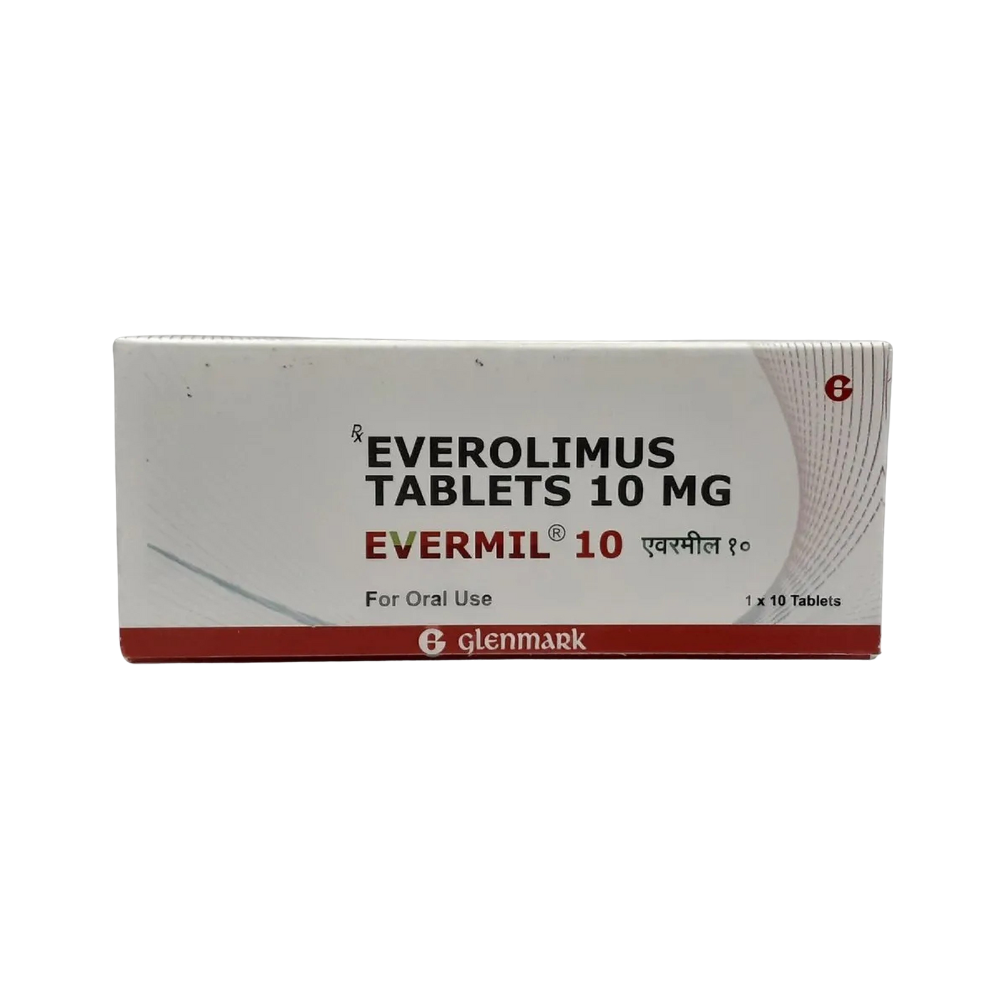
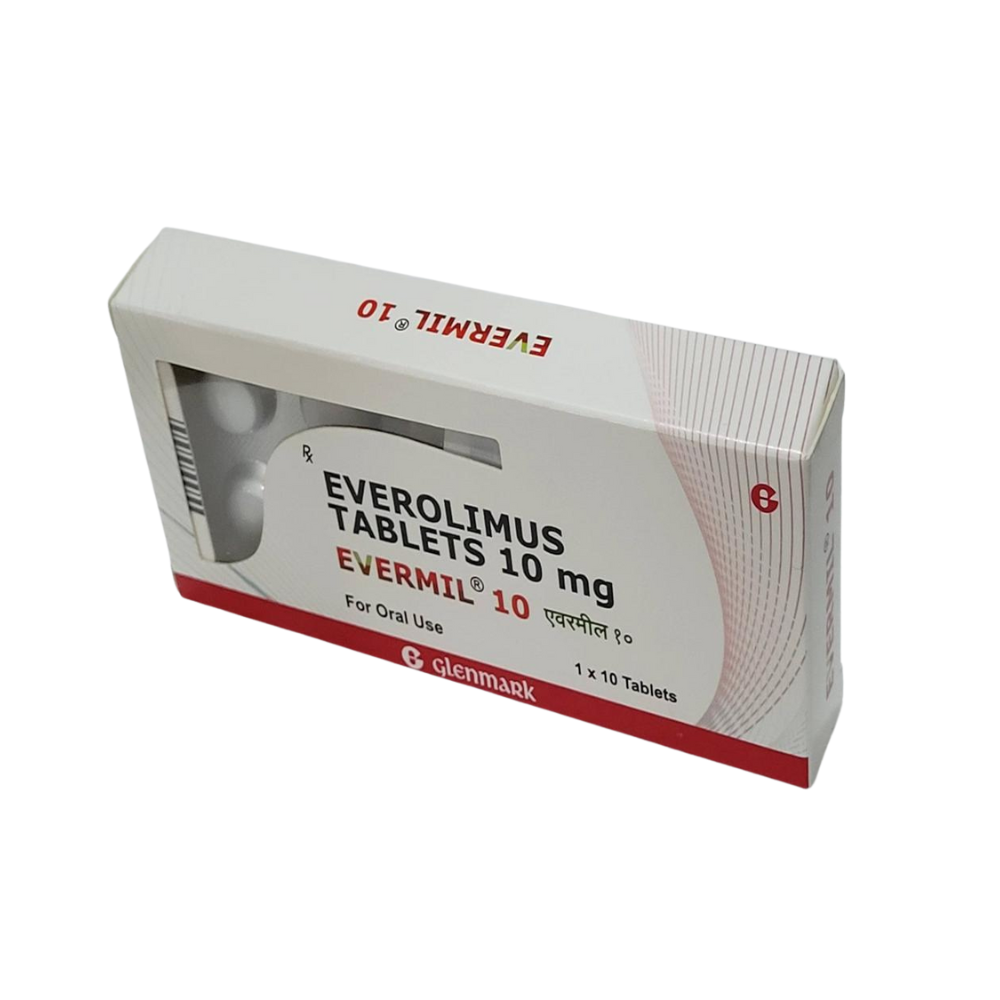
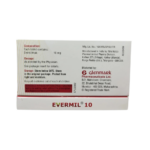
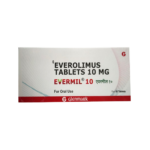
Evermil 10 mg Tablet
Request Pricing & Availability
Fill in your details below and our clinical team will get back to you with pricing & availability within 24 hours.
Similar Products
| Product | Manufacturer / Marketed By | Price |
|---|---|---|
 LUCIEVER 10 mg Tablet
|
Lucius Pharma | Ask for Price |

Description
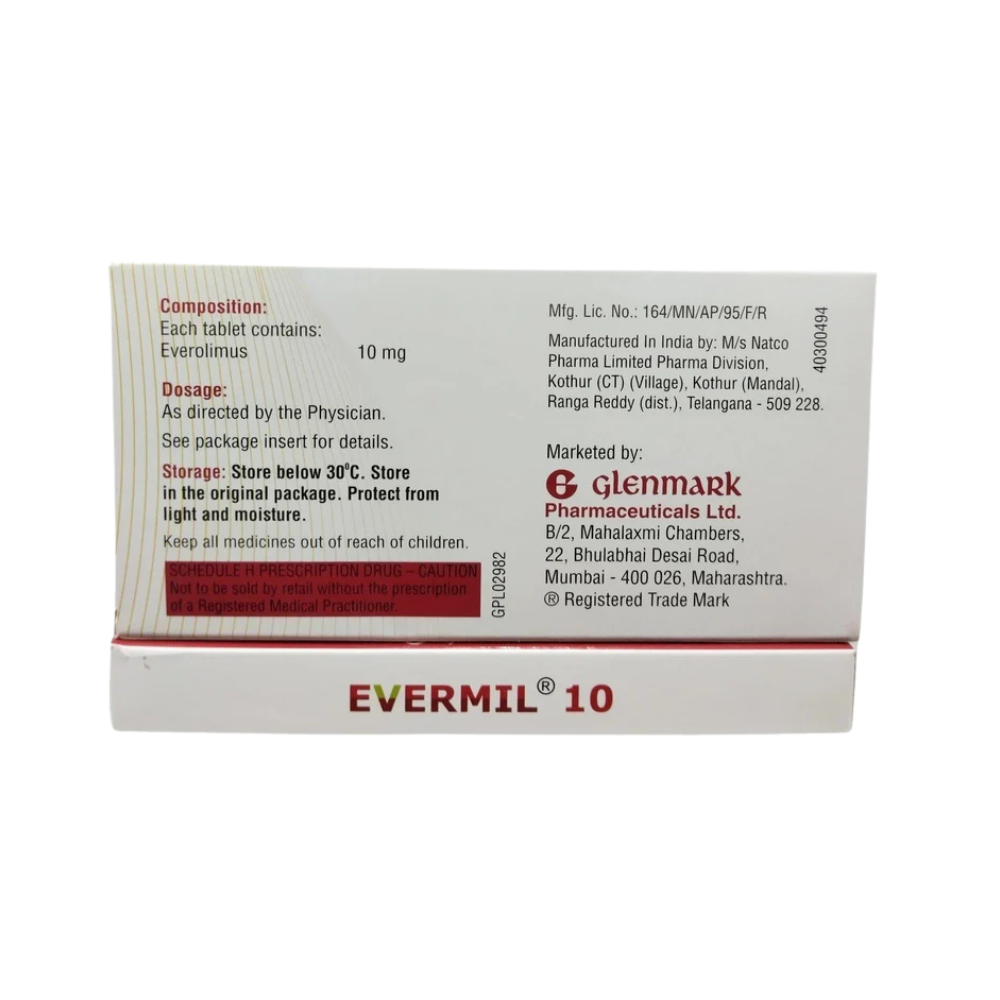
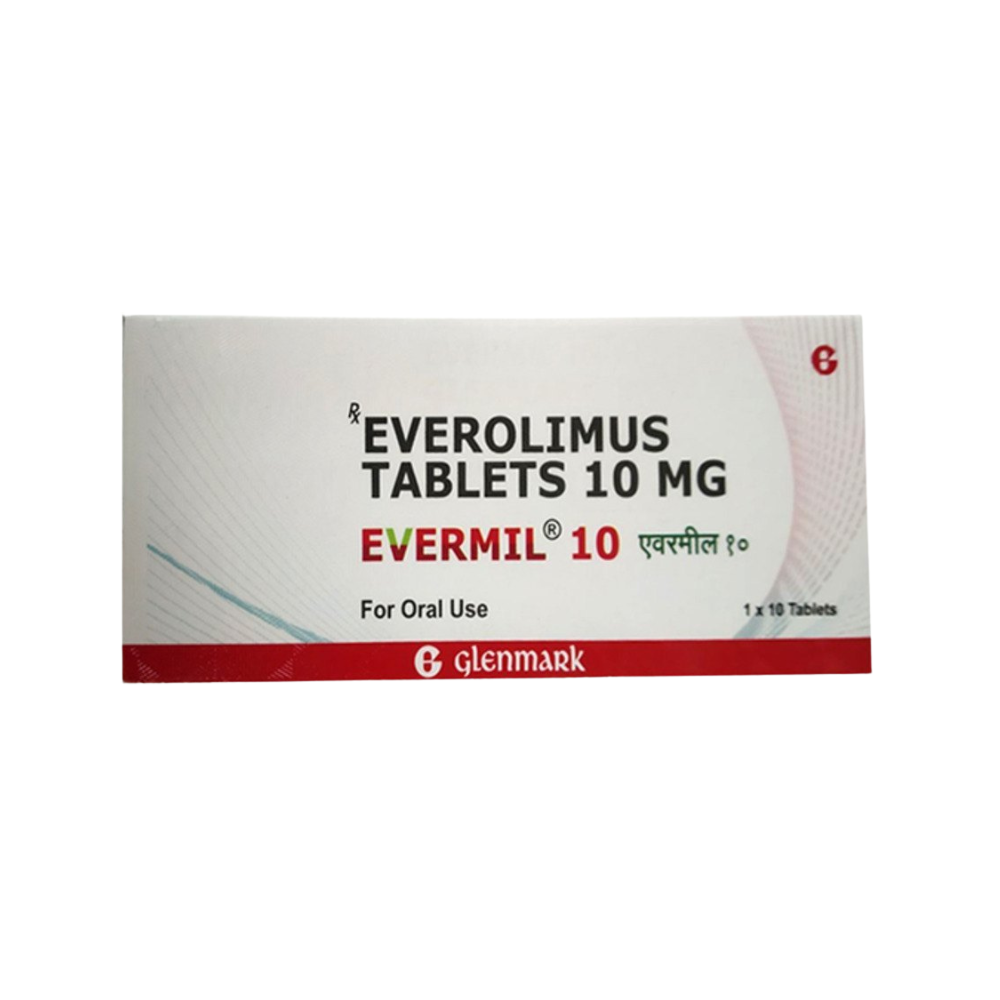
Evermil 10mg Tablet contains everolimus and is manufactured by Glenmark Pharmaceuticals. This is the standard therapeutic dose used for most cancer treatments and transplant rejection prevention. Each strip contains 10 uncoated tablets, designed for oral administration once daily. The 10mg strength represents the established clinical dose that's been proven effective in major clinical trials. Unlike the 5mg tablet which is often used for dose adjustments or specific patient populations, the 10mg tablet is typically where most patients begin their treatment journey—whether they're fighting advanced cancer or protecting a newly transplanted organ. Evermil 10mg Tablet is included in a class of medications called kinase inhibitors that treats cancer by stopping cancer cells from reproducing and cutting off blood supply to the cancer cells. What makes this medication particularly valuable is
Benefits
Extended Disease Control
The primary benefit is time—time without cancer progression, time with a functioning transplanted organ, time with loved ones. Clinical trials have shown that patients on Evermil 10mg experience significantly longer periods before their cancer advances compared to those on placebo or older treatments.
For Cancer Patients:
Many patients experience tumor shrinkage or stabilization. This translates into very real quality-of-life improvements: less pain, easier breathing, better appetite, and more energy for daily activities. Evermil 10mg reduces the blood supply to the tumor and slows down the growth and spread of cancer cells.
For Transplant Recipients:
Keeping your transplanted organ working means avoiding dialysis for kidney recipients or liver failure complications for liver recipients. It means returning to work, traveling, and living a relatively normal life rather than being tethered to a dialysis machine or hospital.
Oral Convenience
Unlike many cancer treatments that require hospital visits for infusions, Evermil is taken at home as a once-daily tablet. This convenience factor shouldn’t be underestimated—it means less time in clinics, fewer disruptions to daily life, and more control over your own treatment schedule.
Proven Track Record
The 10mg dose has years of real-world use backing it up. Thousands of patients worldwide have benefited from this medication, and doctors have extensive experience managing its side effects and optimizing its use.
Alternative When Nothing Else Works
For many patients, Evermil represents hope when standard treatments have failed. It offers a different mechanism of action that can work even when other therapies haven’t.
Indications and Usage
Advanced Kidney Cancer (Renal Cell Carcinoma)
Evermil 10mg is approved for the treatment of advanced kidney cancer (renal cell carcinoma), especially when other treatments have not worked. Specifically, it’s used after VEGF-targeted therapies like sunitinib or sorafenib have failed to control the disease. This makes it a crucial second-line option when first-line treatments stop working.
Hormone Receptor-Positive Breast Cancer
It’s used to manage hormone receptor-positive advanced breast cancer in postmenopausal women, in whom other managements (non-steroidal aromatase inhibitors) no longer keep the disease under control. The medication is always combined with exemestane, providing a one-two punch against resistant breast cancer.
Neuroendocrine Tumors
Evermil treats advanced tumors called neuroendocrine tumors that originate from the stomach, bowels, lung or pancreas. These are rare but challenging cancers that often have limited treatment options, making everolimus particularly valuable for patients facing progressive disease.
Pancreatic Cancer
For pancreatic neuroendocrine tumors that cannot be removed surgically or have spread to other organs, Evermil 10mg provides meaningful disease control.
Organ Transplant Rejection Prevention
Evermil 10mg Tablet is used with other medications to prevent organ transplant rejection in adults who have received kidney or liver transplants. It’s never used alone—always as part of a comprehensive immunosuppressive regimen.
Tuberous Sclerosis Complex (TSC)
The medication also treats specific complications of this genetic condition, including kidney tumors (renal angiomyolipoma) and certain brain tumors (subependymal giant cell astrocytoma).
How it Works
Evermil 10mg tablet works by blocking a protein called mTOR (mammalian target of rapamycin), which controls cell growth. Let me explain this in practical terms.
Inside every cell in your body exists a protein complex called mTOR. Think of mTOR as the foreman at a construction site – it tells workers when to build, how fast to build, and what materials to use. In healthy cells, mTOR responds appropriately to signals from the body, ramping up or slowing down as needed.
In Cancer Cells:
Cancer cells often have mTOR stuck in overdrive. The foreman never stops yelling “build, build, build!” even when the body is trying to tell cells to slow down or stop. This leads to uncontrolled growth, rapid cell division, and the creation of new blood vessels to feed the growing tumor.
By inhibiting mTOR, everolimus slows the growth of abnormal cancer cells, reduces tumor size, and can improve outcomes in patients with certain cancers. The medication essentially disconnects the foreman’s megaphone, forcing cancer cells to slow their frenetic pace of growth and division.
In Transplant Recipients:
After transplantation, your immune cells use the mTOR pathway to rapidly multiply and mount an attack against what they perceive as a foreign invader – the new organ. By blocking mTOR, Evermil slows down this aggressive immune response to a more manageable level. The immune system isn’t completely shut down; it’s just turned down from a roar to a murmur.
The Blood Supply Connection:
Tumors can’t grow beyond a certain size without developing their own blood supply. They release signals that tell the body to grow new blood vessels directly to the tumor (a process called angiogenesis). mTOR plays a key role in this process. When everolimus blocks mTOR, it becomes much harder for tumors to build these supply lines, effectively starving them of the nutrients they need to expand.
The beauty of this targeted approach is that it focuses on one specific cellular pathway rather than broadly attacking all dividing cells like traditional chemotherapy does. This selectivity can mean fewer side effects compared to older cancer treatments, though it comes with its own unique challenges.
Dosage & Administration
Standard Dosing
Evermil 10mg tablet is used to prevent organ rejection in transplant patients and to treat various cancers, taken once daily at the same time. The 10mg dose is the standard therapeutic dose established in clinical trials for most indications.
How to Take It Properly
Take Evermil 10mg as advised by your physician. Swallow the tablet as a whole with enough water. Do not crush or chew the tablet. Evermil 10mg may be taken with or without food, but it is better to take it at a fixed time.
The “fixed time” part is crucial. Your body metabolizes the medication at a consistent rate, so taking it at the same time each day – whether that’s 8 AM with breakfast or 10 PM before bed – maintains steady drug levels in your bloodstream. Pick a time you’ll remember and stick with it.
If You Miss a Dose
If you miss a dose and it’s within 6 hours of your usual time, take it as soon as you remember. If more than 6 hours have passed, skip the missed dose and take your next dose at the regular time. Never double up to make up for a missed dose – this can lead to dangerous side effects.
Dose Adjustments
Not everyone stays at 10mg. Management of severe adverse reactions may require dose reduction or temporary interruption. Your doctor might reduce your dose to 5mg daily or even 2.5mg if side effects become problematic. Blood test results, particularly liver function tests and drug level monitoring in transplant patients, may also trigger dose changes.
For transplant patients specifically, doctors often monitor blood levels of everolimus and adjust the dose to maintain optimal levels – high enough to prevent rejection but low enough to minimize side effects.
Special Populations
Evermil 10mg should be used with caution in patients with liver disease. Dose adjustment may be needed. Patients with severe liver impairment might require significantly lower doses. Evermil 10mg is safe to use in patients with kidney disease with no dose adjustment recommended.
Evermil 10mg should be used with caution in elderly patients (65 years and above). While no automatic dose reduction is required, older patients may be more sensitive to side effects and require closer monitoring.
What Not to Do
Don’t crush, chew, or break the tablets. The coating is designed to ensure proper absorption. Don’t adjust your dose on your own, even if you’re feeling better or worse. These decisions should always be made in consultation with your healthcare provider.
Side Effects
Most Common Side Effects
Common side effects include infection, fever, cough, fatigue, diarrhea, and upper respiratory infection. Other frequent issues include vomiting, weight loss, nosebleeds, nausea, dry skin, mouth sores, temporary hair loss, pain in arms and legs, constipation, decreased appetite, and changes in taste.
Mouth sores (stomatitis) affect a significant number of patients. These can range from mildly annoying to genuinely painful, but there are effective management strategies. Special mouth rinses, avoiding spicy or acidic foods, and maintaining good oral hygiene all help.
Infections occur more frequently because your immune system is intentionally suppressed. Upper respiratory infections, urinary tract infections, and skin infections are common. This doesn’t mean you’ll constantly be sick, but you need to be more vigilant about hygiene and early treatment.
Serious Side Effects Requiring Immediate Medical Attention
Contact your doctor immediately for stabbing chest pain, seizures, white patches or sores inside your mouth or on your lips, pain or burning when you urinate, jaundice (yellowing of skin or eyes), purple or red pinpoint spots under your skin, or feeling short of breath.
The most serious side effects include fever, cough, difficulty breathing, wheezing, swelling, feeling of heaviness or tightness, and pain. These could indicate lung inflammation (pneumonitis), a potentially serious complication that requires prompt medical evaluation.
Metabolic Side Effects
Evermil can affect your metabolism in several ways. Blood sugar levels may rise, potentially triggering or worsening diabetes. Cholesterol and triglyceride levels often increase, requiring monitoring and sometimes additional medications to manage.
Long-term Concerns
Evermil 10mg may increase the risk of developing infection or certain types of cancer such as lymphoma and skin cancer. While this might seem ironic for a cancer medication, the immune suppression that helps transplant patients or fights certain cancers can also increase vulnerability to other malignancies, particularly skin cancers.
Wound Healing Issues
Wound problems such as slowed wound healing can occur. If you need surgery while on Evermil, your doctor might temporarily stop the medication to allow proper healing.
Managing Side Effects
Don’t try to tough it out. Most side effects can be managed through dose adjustments, supportive medications, or timing changes. Keep detailed notes about what you’re experiencing and when, and share this information with your healthcare team at every visit.
Warning and Precaution
Pregnancy and Breastfeeding
Evermil 10mg is unsafe to use during pregnancy. There is positive evidence of human fetal risk, but the benefits from use in pregnant women may be acceptable despite the risk, for example in life-threatening situations. Women of childbearing age must use highly effective contraception during treatment and for 8 weeks after stopping everolimus.
Evermil 10mg is probably unsafe to use during lactation. The medication can pass into breast milk and harm nursing infants. Women should not breastfeed while taking this medication.
Drug Interactions
Some interactions can be dangerous. Strong CYP3A4 inhibitors (like ketoconazole, itraconazole, clarithromycin, ritonavir) can dramatically increase everolimus levels in your blood, leading to severe toxicity. Strong CYP3A4 inducers (like rifampin, phenytoin, St. John’s Wort) can decrease everolimus levels, making it ineffective.
Inform your healthcare provider about all the medications you are taking, including prescription drugs, over-the-counter medicines, vitamin or nutritional supplements, and herbal products.
Grapefruit Warning
Avoid grapefruit and grapefruit juice completely while taking Evermil. Grapefruit contains compounds that block the enzymes responsible for breaking down everolimus, potentially causing dangerous spikes in blood levels.
Vaccination Concerns
Live vaccines should not be used while undergoing treatment with Everolimus or for up to 6 months after stopping. This includes vaccines for measles, mumps, rubella, rotavirus, yellow fever, and the nasal flu vaccine. Inactivated vaccines like the flu shot are generally safe and recommended.
Infection Risk
Your suppressed immune system makes you more vulnerable to infections. Practice good hygiene, avoid crowds during flu season, stay away from people who are sick, and report any signs of infection to your doctor immediately. What might be a minor cold in a healthy person can become serious more quickly when you’re on immunosuppressants.
Driving and Operating Machinery
Do not drive unless you are feeling well. Fatigue is a common side effect with Evermil 10mg and this may affect your ability to drive. Use caution with any activities requiring alertness until you know how the medication affects you.
Cancer Risk
This medication may increase the risk of developing certain types of cancer such as lymphoma and skin cancer. Limit sun exposure, use high-SPF sunscreen, wear protective clothing, and avoid tanning beds. Have regular skin checks with your doctor.
Kidney Transplant-Specific Warning
For kidney transplant patients, Evermil can increase the risk of blood clots forming in the transplanted kidney’s blood vessels, potentially leading to kidney loss. This risk is higher when everolimus is used with high doses of cyclosporine.
Before Surgery
Tell your surgeon you’re taking Evermil well in advance of any planned procedure. The medication impairs wound healing, so your doctor may need to temporarily stop it before surgery and wait until wounds have healed before restarting.
Monitoring Requirements
Expect regular blood tests to monitor:
- Kidney function
- Liver function
- Blood sugar levels
- Cholesterol and triglycerides
- Complete blood counts
- Drug levels (for transplant patients)
These tests aren’t optional—they’re essential for catching problems early and adjusting your treatment as needed.
Storage
Store everolimus tablet in its original packaging at room temperature, between 20°C and 25°C (68°F to 77°F). Keep it in a dry place, away from moisture, and out of reach of children.
Related Products
-
Lenvitib 10 mg Capsule
LenvatinibPrice on request
Request pricing -
Lucimird 1 mg Capsule
Price on request
Request pricing -
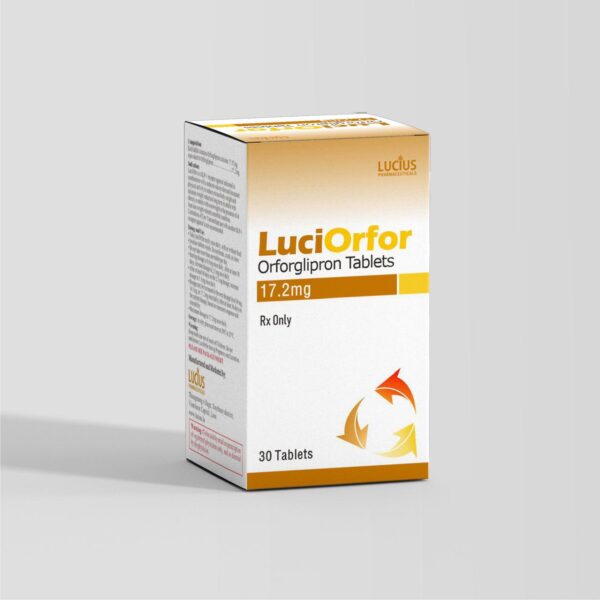
Luciorfor 17.2 mg Tablet
Price on request
Request pricing -
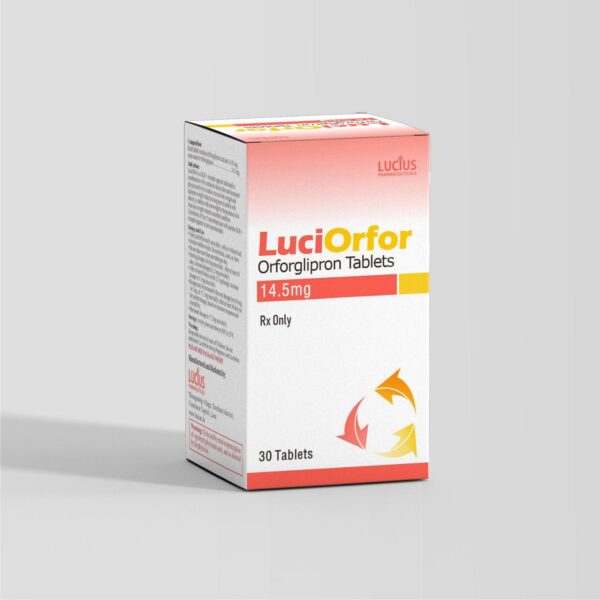
Luciorfor 14.5 mg Tablet
Price on request
Request pricing -
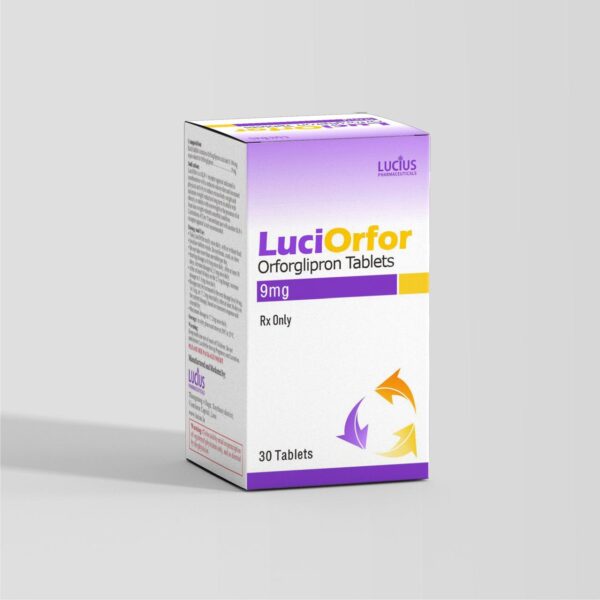
Luciorfor 9 mg Tablet
Price on request
Request pricing -
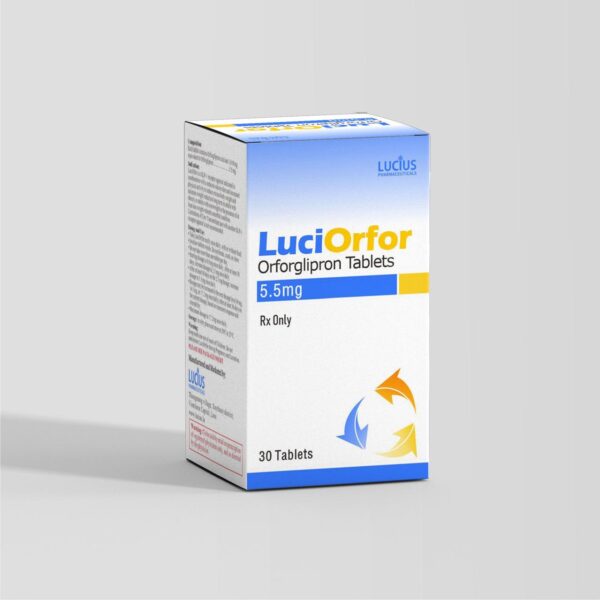
Luciorfor 5.5 mg Tablet
Price on request
Request pricing -
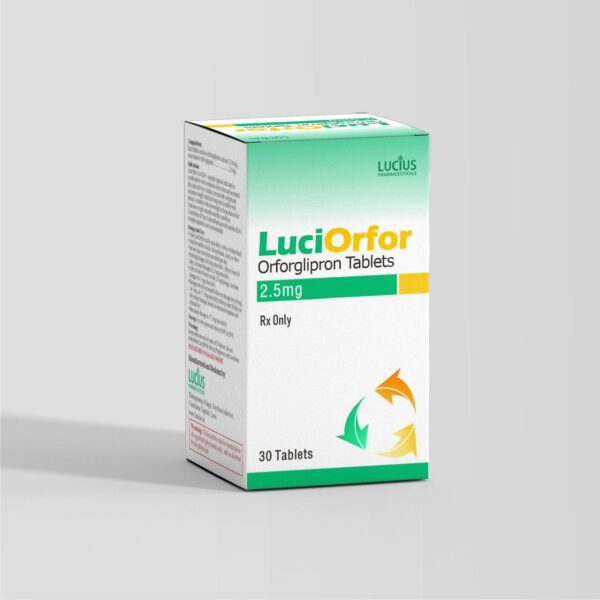
Luciorfor 2.5 mg Tablet
Price on request
Request pricing -
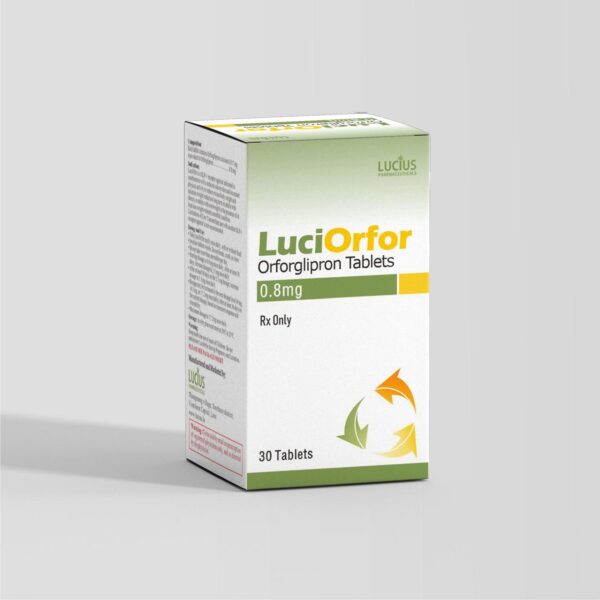
Luciorfor 0.8 mg Tablet
Price on request
Request pricing -
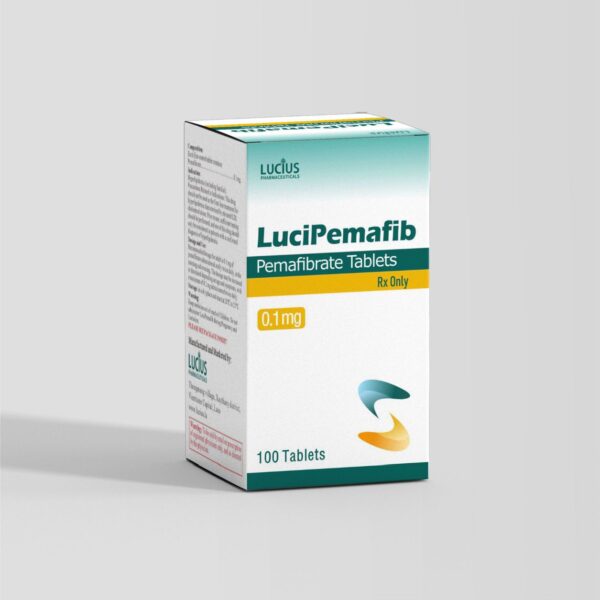
LuciPemafib 0.1 mg Tablet
Price on request
Request pricing -
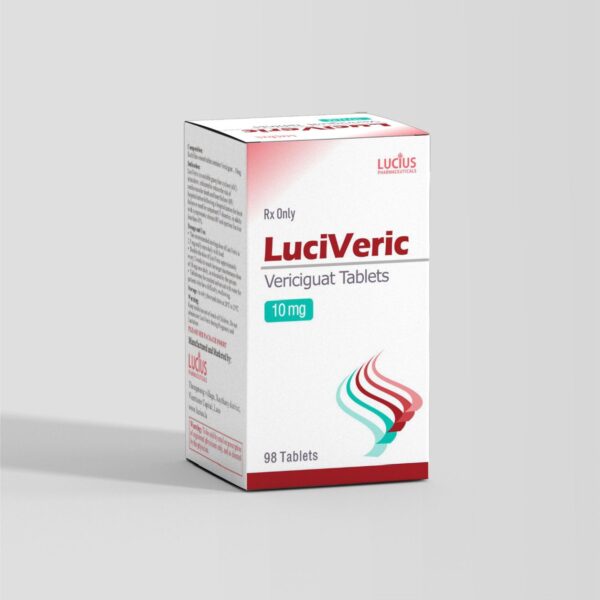
LuciVeric 10 mg Tablet
Price on request
Request pricing -
LuciLemb 5 mg Tablet
Price on request
Request pricing -
LuciElag 200 mg Tablet
Price on request
Request pricing
Related Reading
-
 Ruxolitinib Tablets Receive FDA Approval for Hematologic Malignancies
The U.S. Food and Drug Administration (FDA) has approved Ruxolitinib tablets for the treatment of certain hematologic malignancies, marking another
Ruxolitinib Tablets Receive FDA Approval for Hematologic Malignancies
The U.S. Food and Drug Administration (FDA) has approved Ruxolitinib tablets for the treatment of certain hematologic malignancies, marking another
-
 Tovorafenib Approved in Europe for Children with BRAF-Altered Low-Grade Glioma
Medical Review: This article was reviewed by Dr. Sophie Reynolds on May 14, 2026. n This marks an important milestone
Tovorafenib Approved in Europe for Children with BRAF-Altered Low-Grade Glioma
Medical Review: This article was reviewed by Dr. Sophie Reynolds on May 14, 2026. n This marks an important milestone
-
 FDA Approves Vepdegestrant for ER+/HER2–, ESR1-Mutated Breast Cancer: A New Targeted Option
Medical Review: This article was reviewed by Dr. Sophie Reynolds on May 6, 2026. Breast cancer treatment continues to evolve
FDA Approves Vepdegestrant for ER+/HER2–, ESR1-Mutated Breast Cancer: A New Targeted Option
Medical Review: This article was reviewed by Dr. Sophie Reynolds on May 6, 2026. Breast cancer treatment continues to evolve
-
 FDA Fast-Tracks Plixorafenib for BRAF V600E–Mutated Brain Tumors
Medical Review: This article was reviewed by Dr. Sophie Reynolds on April 14, 2026. n Brain tumors, especially high-grade gliomas,
FDA Fast-Tracks Plixorafenib for BRAF V600E–Mutated Brain Tumors
Medical Review: This article was reviewed by Dr. Sophie Reynolds on April 14, 2026. n Brain tumors, especially high-grade gliomas,
-
 What are the 4 stages of lung cancer?
Medical Review: This article was reviewed by Dr. Sophie Reynolds on April 7, 2026. n Lung cancer staging is a
What are the 4 stages of lung cancer?
Medical Review: This article was reviewed by Dr. Sophie Reynolds on April 7, 2026. n Lung cancer staging is a
-
 First-Line Palbociclib Combination Boosts PFS in HR+/HER2+ mBC – PATINA Findings
Medical Review: This article was reviewed by Dr. Sophie Reynolds on April 1, 2026. n Metastatic breast cancer (mBC) remains
First-Line Palbociclib Combination Boosts PFS in HR+/HER2+ mBC – PATINA Findings
Medical Review: This article was reviewed by Dr. Sophie Reynolds on April 1, 2026. n Metastatic breast cancer (mBC) remains
Shipping & Delivery
- Ships from
- India, worldwide delivery
- Order processing
- 1–3 business days after checks
- Transit time
- 5–7 business days by express courier
- Tracking
- Tracking number sent by email or SMS
- Packaging
- Discreet, tamper-evident, cold-chain available
- Duties & taxes
- Payable by the recipient on import
Only logged in customers who have purchased this product may leave a review.
Reviews
Clear filtersThere are no reviews yet.