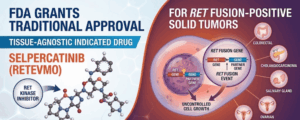
FDA Grants Traditional Approval to Selpercatinib for RET Fusion-Positive Solid Tumors
Medical Review Disclosure This content has been reviewed for medical accuracy. Always consult a qualified healthcare professional before making any
Treatments & Therapies

Medical Review Disclosure
This content has been reviewed for medical accuracy. Always consult a qualified healthcare professional before making any medical decisions. [Last reviewed: 2026-02-11]
Kidney cancer affects thousands of people every year. The good news? If caught early, it is highly treatable. But how do you know if you have kidney cancer? What are the symptoms of kidney cancer? What causes it, and is it hereditary?
In this guide, we’ll explain kidney cancer symptoms, risk factors, diagnosis, and treatments in simple terms. We’ll also answer important questions, such as “Is kidney cancer curable?” “How common is kidney cancer?” and “How long does it take to die from kidney cancer?”
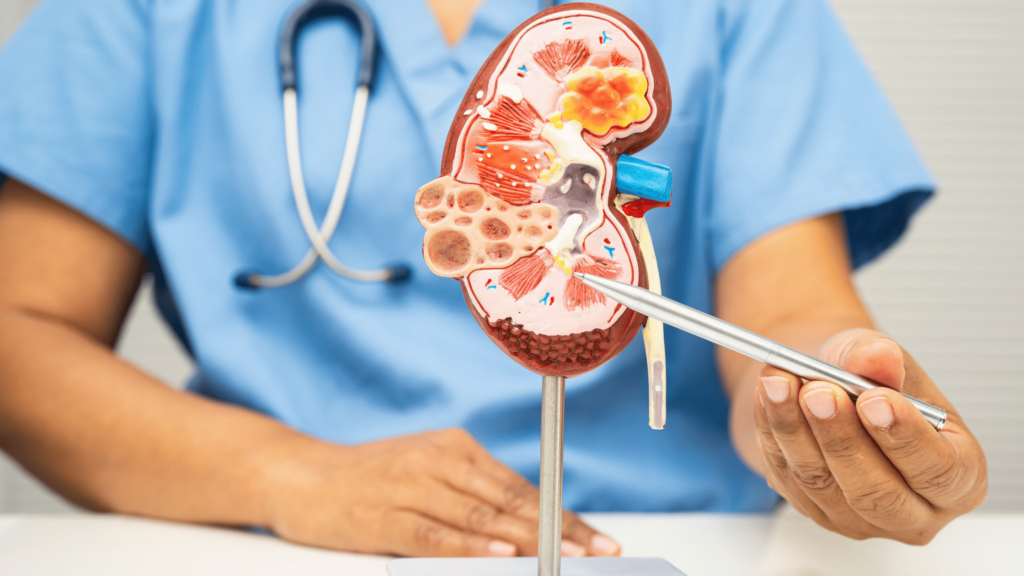
Kidney cancer begins when healthy kidney cells grow uncontrollably, forming a tumor. The kidneys are two bean-shaped organs located in the lower back. They help filter waste from the blood and regulate blood pressure.
The most common type of kidney cancer is renal cell carcinoma (RCC), making up about 90% of cases. If left untreated, kidney cancer can spread to other organs.
Kidney cancer accounts for about 4% of all cancers worldwide. It is more common in men than women and typically affects people over 50, though younger individuals can also develop it.
In the early stages, kidney cancer often has no noticeable symptoms. However, as the tumor grows, warning signs may appear.
Here are seven key symptoms to watch for:
If you notice any of these symptoms, see a doctor immediately. Early detection increases survival rates!
Doctors don’t always know exactly how you get kidney cancer, but several risk factors increase the likelihood of developing it.
Smoking – Increases the risk of damaging kidney cells.
Obesity – Extra body weight puts stress on the kidneys.
High blood pressure – Uncontrolled hypertension can damage the kidneys over time.
Family history – Is kidney cancer hereditary? Yes, having a close relative with kidney cancer raises your risk.
Exposure to harmful chemicals – Asbestos, cadmium, or trichloroethylene1.
Most scientific studies show no strong link between coffee and kidney cancer. Research suggests moderate coffee consumption (about 2-3 cups per day) does not increase kidney cancer risk and may even have protective effects.
Yes, kidney cancer can be genetic in some cases. People with inherited conditions like Von Hippel-Lindau disease or hereditary papillary renal cell carcinoma have a higher risk. However, most kidney cancer cases happen sporadically without a genetic link.
If a doctor suspects kidney cancer, they will perform several tests to confirm the diagnosis.
The earlier kidney cancer is diagnosed, the better the chances of successful treatment!
Yes! Kidney cancer is curable, especially when caught in the early stages. Localized kidney cancer (Stage 1 or 2) has a high survival rate. If the cancer has spread (Stage 4), treatment is more complex, but new therapies are improving survival rates.
The proper treatment depends on the stage of cancer and overall health.
Yes! Here are the main treatment options:
Survival rates depend on how advanced the cancer is at diagnosis.
Even after successful treatment, kidney cancer can return in some cases. The recurrence rate depends on the cancer stage:
Doctors often monitor patients for several years after treatment to catch any signs of recurrence early.
While you can’t always prevent kidney cancer, lifestyle changes can reduce your risk:
Quit smoking – One of the top risk factors.
Maintain a healthy weight – Obesity increases kidney cancer risk.
Control blood pressure – Regular check-ups can help manage it.
Exercise regularly – Staying active supports kidney health.
Eat a balanced diet – More fruits, veggies, and lean proteins.
Don’t ignore blood in urine, back pain, or sudden weight loss. If something feels off, book a doctor’s appointment. Catching kidney cancer early makes treatment more manageable and more effective!
Kidney cancer is serious but treatable, especially when caught early. Knowing the warning signs, understanding what causes kidney cancer, and following healthy habits can help lower your risk.
Take action today:
Medical Review Disclosure This content has been reviewed for medical accuracy. Always consult a qualified healthcare professional before making any
Medical Review Disclosure This content has been reviewed for medical accuracy. Always consult a qualified healthcare professional before making any
Medical Review Disclosure This content has been reviewed for medical accuracy. Always consult a qualified healthcare professional before making any
Our pharmacists can confirm availability, pricing and what your country requires for import.