Written by:
Dr. Sophie Reynolds
Dr. Sophie Reynolds is a board-certified medical doctor specializing in internal medicine. With over a decade of experience in patient care and medical writing
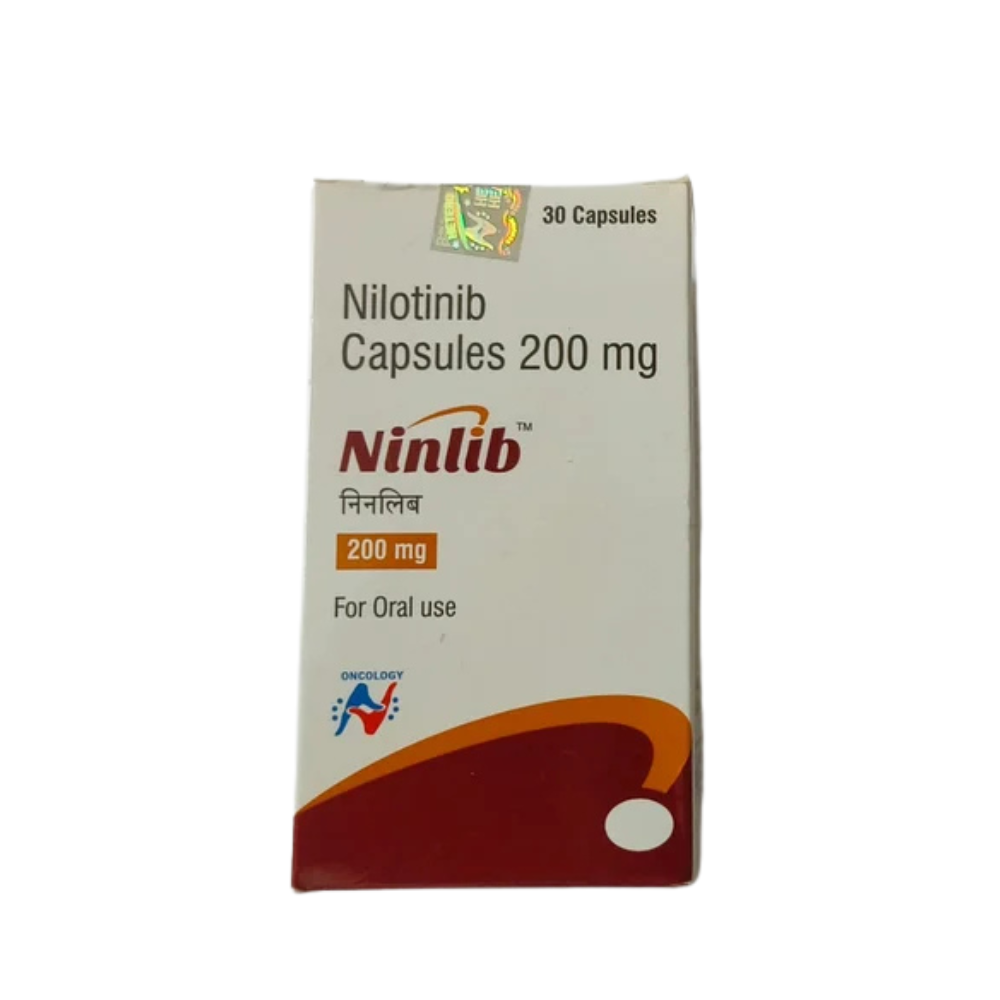
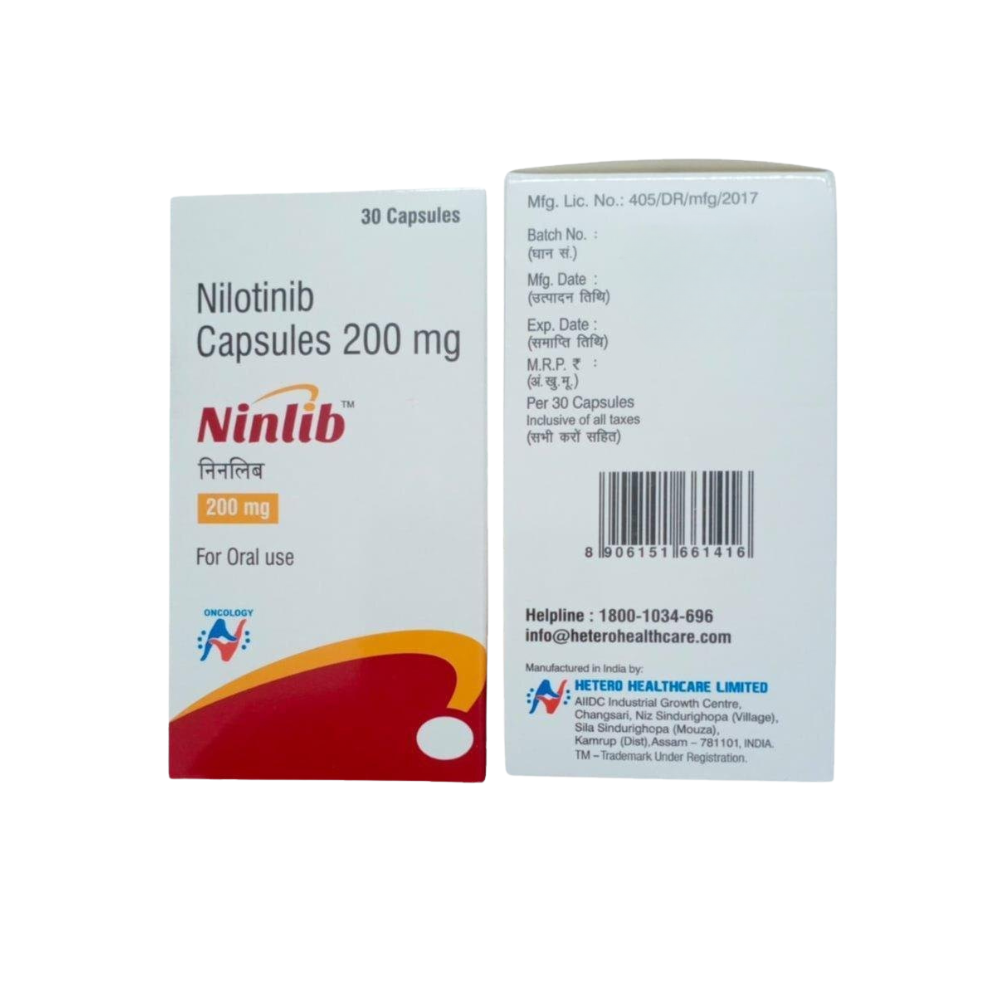
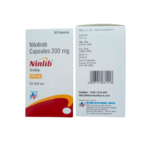
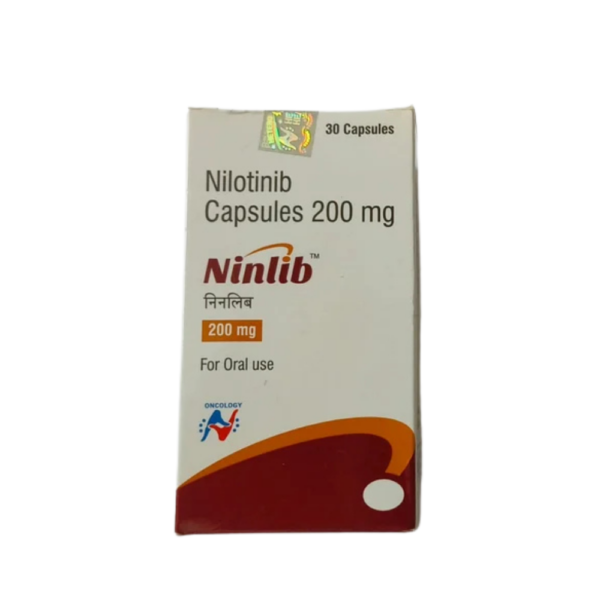
Ninlib 200mg Capsule
Please fill in the details below, and we’ll get back to you as soon as possible
Similar Products:
| Image | Product | Manufacturer / Marketed By | Price |
|---|---|---|---|
![]() | Tasigna Nilotinib 200 mg Capsule | Novartis | Ask for Price |
![]() | Knilonat Nilotinib 200 mg Capsule | Natco Pharma | Ask for Price |
Description
Ninlib 200 mg is a prescription anticancer medication used to treat Philadelphia chromosome–positive chronic myeloid leukemia (Ph+ CML), a type of blood cancer. Each capsule contains 200 mg of nilotinib, a targeted tyrosine kinase inhibitor. Ninlib works by blocking the abnormal BCR-ABL protein signals in leukemia cells, stopping those cells from multiplying and causing them to die. This medicine should be taken exactly as prescribed by a doctor.
Benefits
-
Targets leukemia cells: Ninlib specifically attacks Ph+ CML cells by blocking their growth signals.
-
Aids remission: It lowers the number of abnormal white blood cells, helping to achieve remission (reduction of leukemia activity).
-
Slows disease progression: By inhibiting cancer-cell multiplication, Ninlib can reduce the risk of the leukemia advancing to more aggressive stages.
Overall, Ninlib’s targeted action helps control Ph+ CML more effectively than conventional chemotherapy in this setting.
Indications and Usage
-
Chronic Myeloid Leukemia (Ph+ CML): Ninlib is used to treat chronic-phase Ph+ CML in adults and children (1 year or older).
-
Newly Diagnosed: It is approved for patients with newly diagnosed chronic-phase Ph+ CML.
-
Resistant or Intolerant Disease: Ninlib is also used for adults (and children 1+ in accelerated phase) with Ph+ CML whose disease has not responded to or cannot tolerate other therapies (such as imatinib).
These uses mean Ninlib should be taken under an oncologist’s guidance. The exact treatment plan (dose and duration) depends on the patient’s condition and physician’s judgment.
How it Works
Ninlib’s active ingredient, nilotinib, is a BCR-ABL tyrosine kinase inhibitor. In Ph+ CML, the cancer cells produce an abnormal BCR-ABL protein (due to the Philadelphia chromosome) that tells cells to grow uncontrollably. Nilotinib binds to this abnormal protein and blocks its action. By shutting down the BCR-ABL signal, Ninlib prevents the cancerous cells from dividing. This disruption of the growth signal causes the leukemia cells to stop multiplying and eventually die, slowing the disease.

Dosage & Administration
-
Timing: Ninlib should be taken on an empty stomach, usually at least 1–2 hours before or after food.
-
Frequency: The typical adult regimen is 200 mg capsules taken twice daily, about 12 hours apart. (For example, two capsules in the morning and two in the evening.)
-
Swallowing: Swallow each capsule whole with water; do not chew, crush, or open the capsules.
-
Follow doctor’s instructions: Always take the exact dose prescribed. Do not change the schedule without medical advice. If you miss a dose, skip it and resume your regular schedule – do not take a double dose to make up.
-
Pediatric dosing: In children (age 1 and above), the dose is based on body size (surface area) and must be determined by a doctor. Ninlib is not recommended for children under 1 year old.
Regular follow-up visits (blood tests, heart checks) are usually required to monitor the drug’s effects and safety.
Side Effects
-
Common side effects: The most frequently reported effects include gastrointestinal and general symptoms. Patients often experience nausea, diarrhea, rash, headache, constipation, fatigue (tiredness), and muscle or joint pain. (Vomiting and skin itching can also occur.) Most of these side effects are mild to moderate and tend to improve over time with continued treatment.
-
Serious side effects: Contact your doctor immediately if you notice any severe symptoms, such as:
-
Signs of liver problems: Yellowing of the skin or eyes, dark urine, or severe abdominal (stomach) pain. These may indicate liver injury.
-
Heart rhythm issues: Fast, pounding, or irregular heartbeat, dizziness, or fainting. Ninlib can prolong the QT interval (a heart rhythm change), so existing heart problems or low blood potassium/magnesium levels increase risk.
-
Pancreatitis: Sudden severe stomach or upper abdominal pain with nausea/vomiting. (This can indicate inflammation of the pancreas.)
-
Bleeding or infection signs: Unexplained bruising or bleeding (e.g. black, tarry stools; blood in urine), fever, chills, or signs of infection. These may reflect very low blood cell counts or other serious issues.
-
Most patients tolerate Ninlib well when monitored, but any unusual or severe symptom should prompt immediate medical attention.
Warning and Precaution
-
Allergy: Do not take Ninlib if you are allergic to nilotinib or any ingredient in the capsule. (Ninlib capsules contain lactose; inform your doctor if you have severe lactose intolerance.)
-
Pregnancy and lactation: Ninlib should not be used during pregnancy or breastfeeding. This drug may harm an unborn baby. Women of childbearing age must use effective birth control during treatment and for at least 2 weeks after stopping Ninlib.
-
Heart and electrolytes: Avoid Ninlib if you have certain heart conditions (e.g. congenital long QT syndrome) or very low blood potassium/magnesium. Nilotinib can lengthen the QT interval on ECG, increasing risk of serious irregular heartbeat. Inform your doctor if you have a history of heart disease, stroke, or electrolyte imbalances.
-
Liver and pancreas: Tell your doctor if you have liver problems, gallstones, or a history of pancreatitis. Regular liver function tests are usually done during treatment. Severe stomach pain may signal pancreatitis.
-
Blood counts: Ninlib can lower blood counts (white cells, platelets), raising infection and bleeding risk. Report signs of infection (fever, sore throat) or unusual bleeding/bruising.
-
Other medications: Avoid grapefruit juice while taking Ninlib, as it can interfere with drug metabolism. Many other medicines can interact (especially those affecting heart rhythm); always check with your doctor before starting new drugs.
-
Driving and activities: Ninlib can cause dizziness or blurred vision in some people. Do not drive or operate machinery unless you feel alert and safe.
-
Age: As noted, Ninlib is not recommended for infants under 1 year old.
Be sure to inform your healthcare provider of your full medical history before starting Ninlib. Close monitoring (regular doctor visits, ECGs, and blood tests) helps manage risks during therapy.
Related Products
Related Posts:
Osimertinib (Tagrisso) for Lung Cancer: What You Need to Know
Introduction Lung cancer is one of the most common and deadly cancers globally. The most common type of lung cancer is non-small
READ MORE »Only logged in customers who have purchased this product may leave a review.


Reviews
Clear filtersThere are no reviews yet.