Written by:
Dr. Sophie Reynolds

Dr. Sophie Reynolds is a board-certified medical doctor specializing in internal medicine. With over a decade of experience in patient care and medical writing

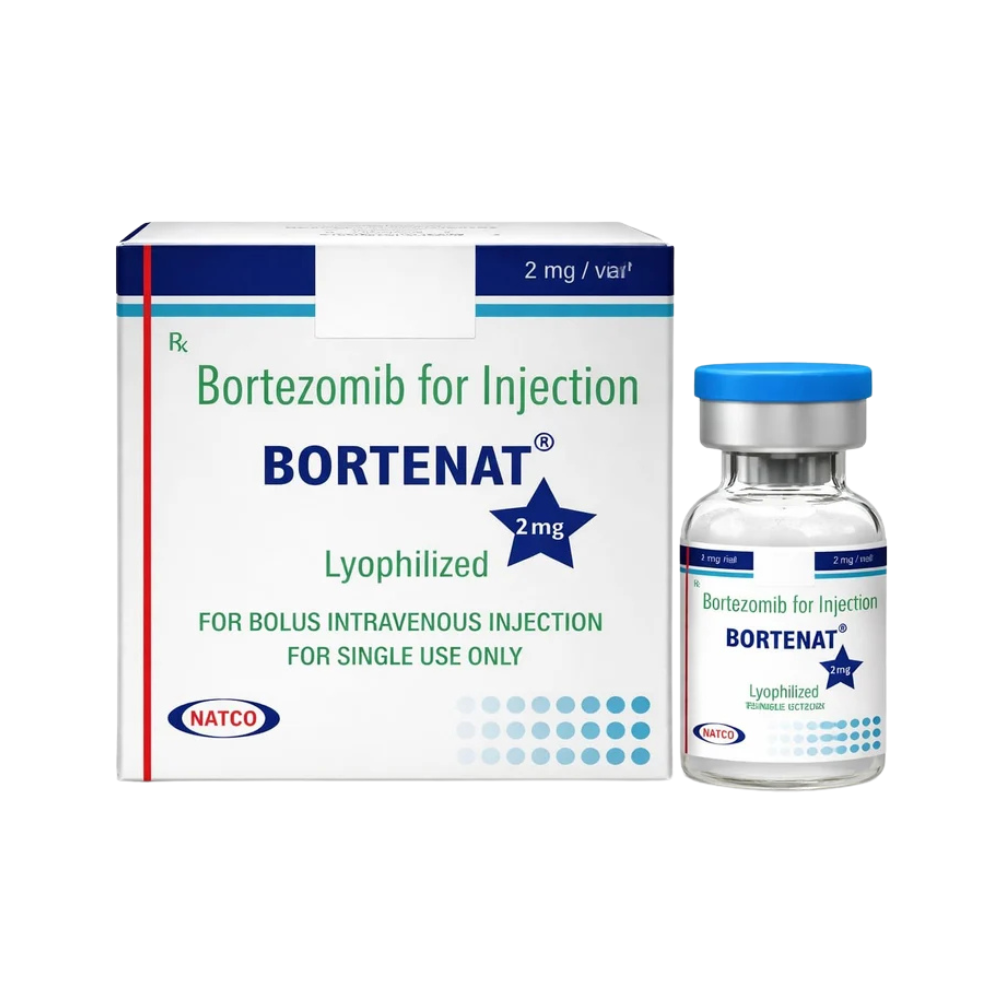
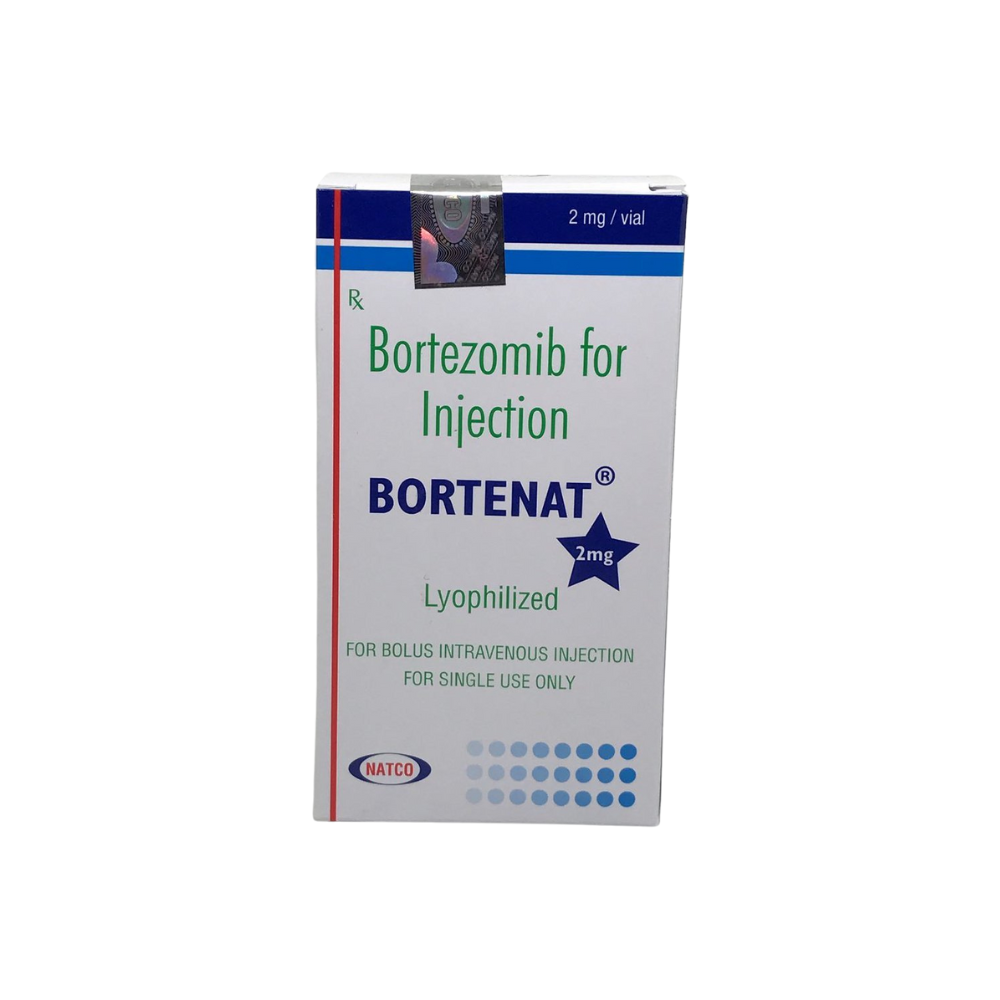
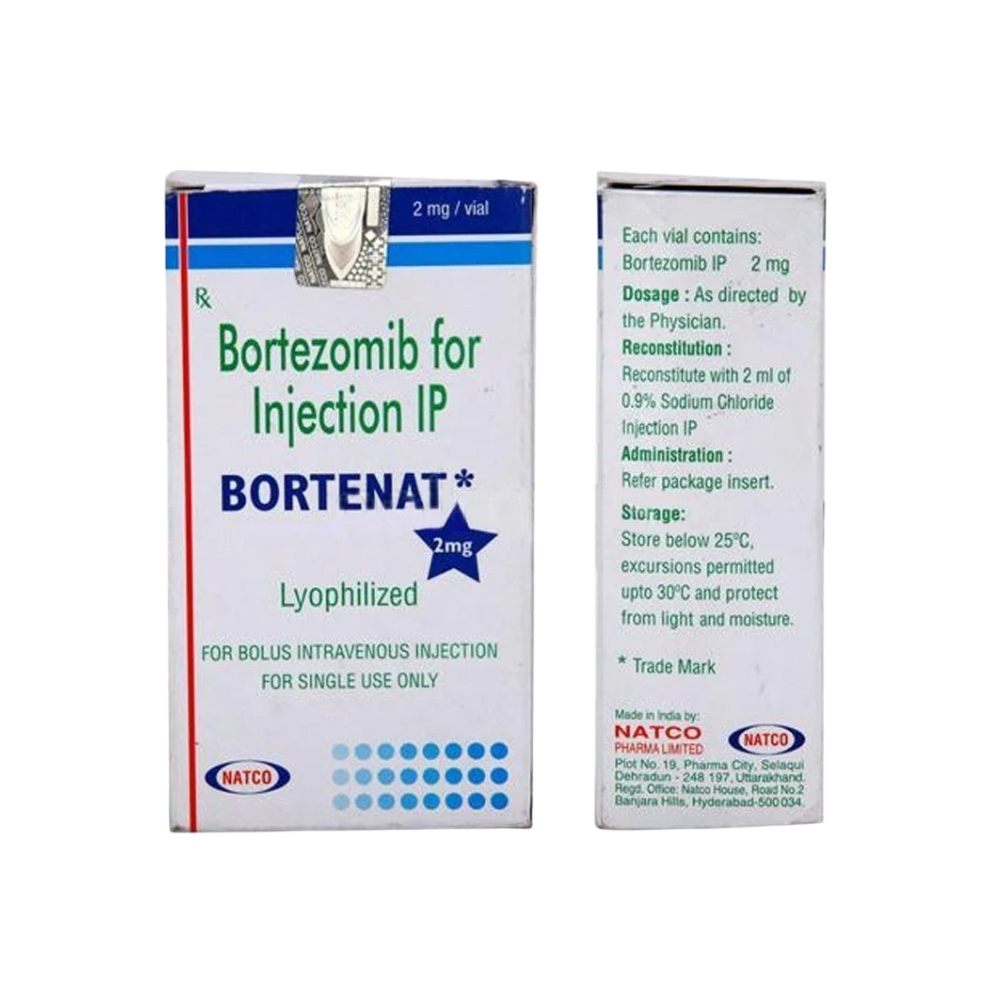
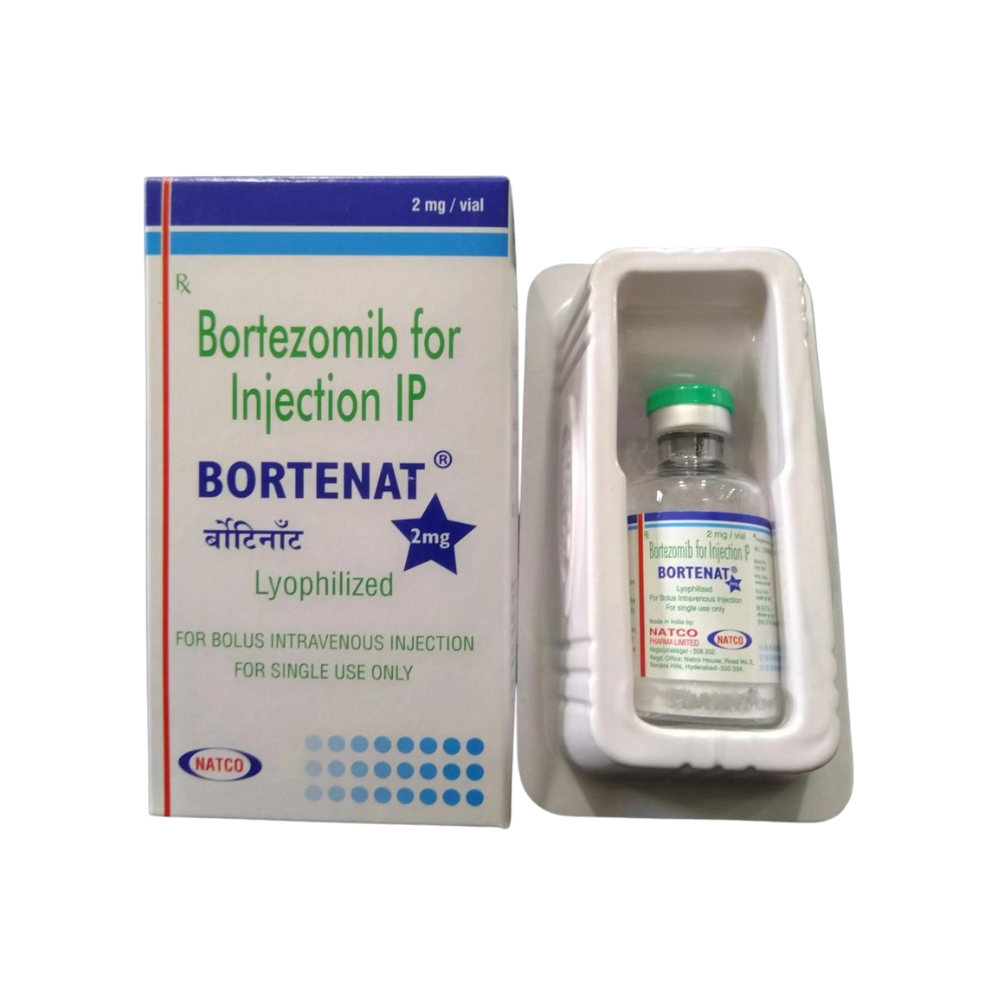
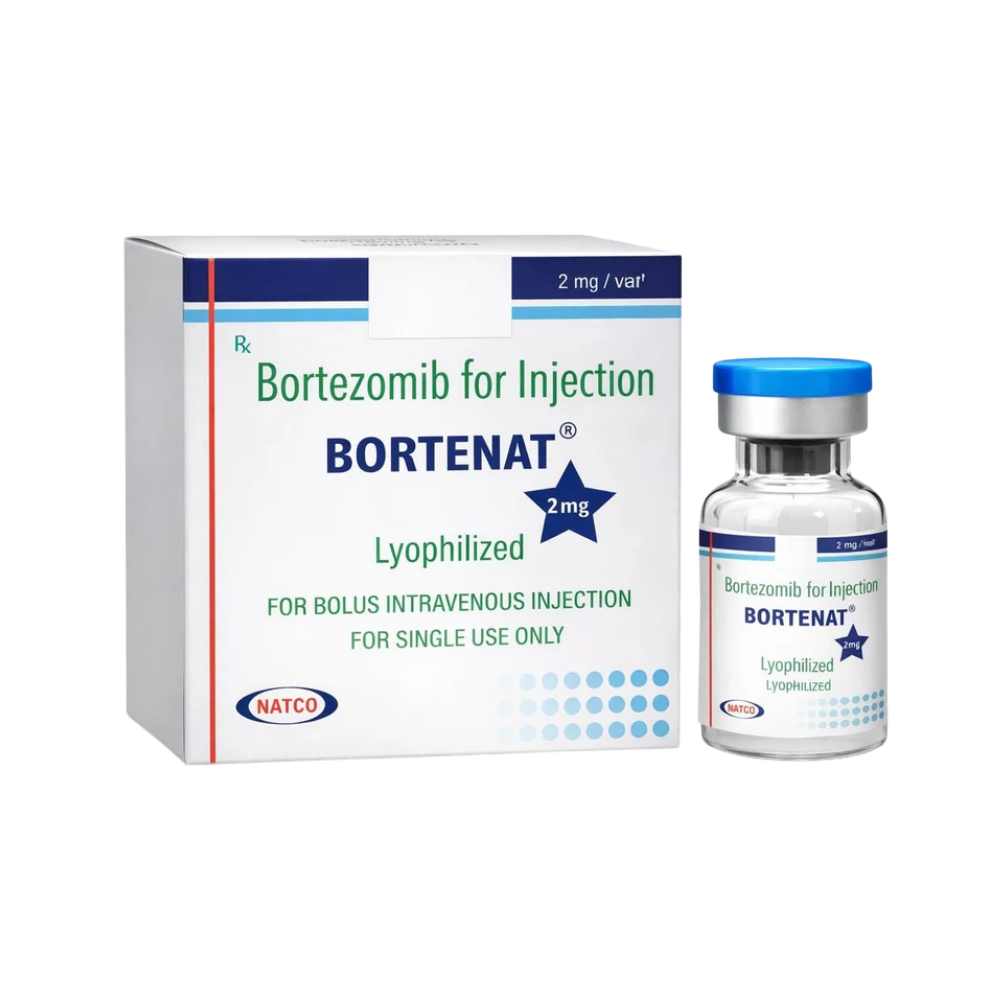
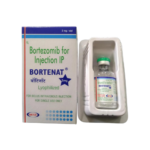
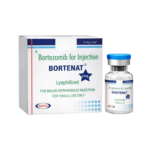
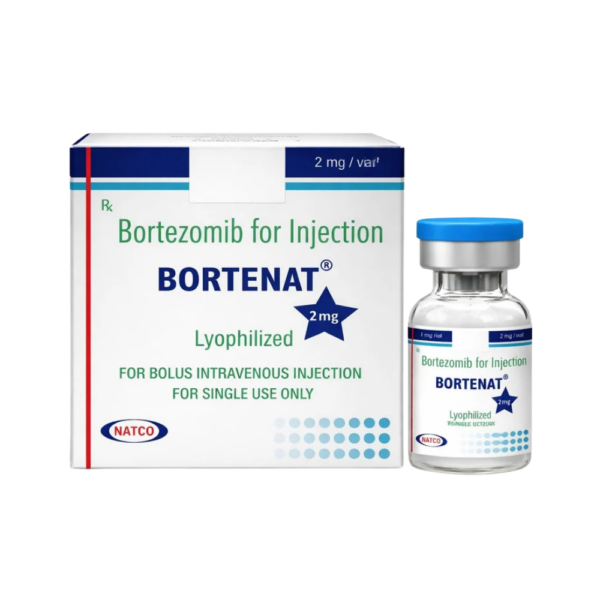
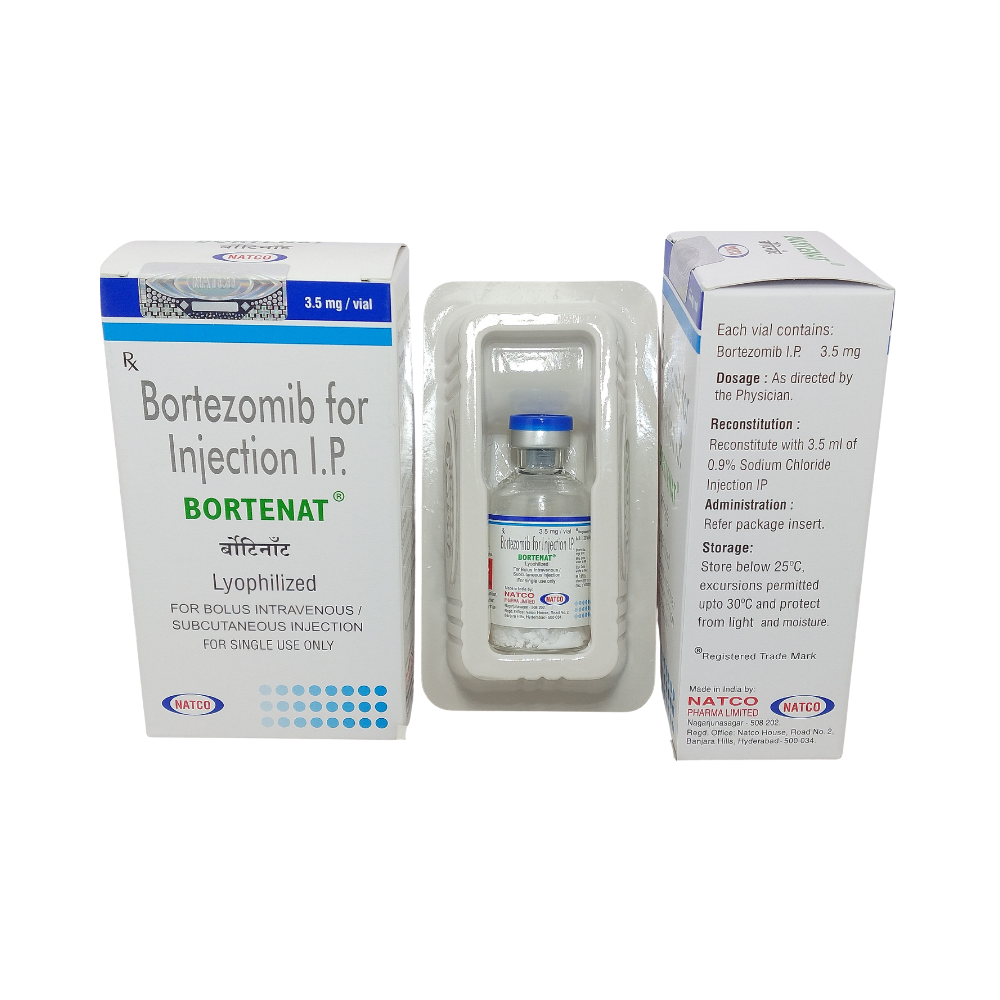
Bortenat 2mg Injection

Brand Name:   Bortenat
Molecule:   Bortezomib
Strength:   2 mg
Quantity:   1 Vial
Form:   Injection
Packaging Type:   Vial
Manufacturer/Marketed By:   Natco Pharma
Country of Origin:   India
No similar products found.

Description

Bortenat (bortezomib) injection is used mainly to treat multiple myeloma (a type of bone marrow cancer) and mantle cell lymphoma (a form of lymphoma). It is given in a series of injections in treatment cycles under the care of a doctor. Bortezomib is a targeted cancer drug (a proteasome inhibitor) that causes cancer cells to die by preventing them from breaking down unneeded proteins. In practice, Bortenat can slow or stop the growth of cancer cells and reduce tumor burden, improving response to therapy. Because it also affects normal cells, patients on Bortenat are monitored closely with regular blood tests and check-ups. Common side effects include fatigue, nausea, diarrhea or constipation, loss of appetite, and nerve-related symptoms like tingling or numbness in the hands or feet.

Benefits

  • Controls Cancer Growth: In multiple myeloma, Bortenat helps control the growth of abnormal plasma cells in the bone marrow. This can reduce symptoms and improve patient response to treatment.

  • Slows Disease Progression: In mantle cell lymphoma, Bortenat slows the progression of the disease and helps shrink tumors when used alone or with other chemotherapy.

  • Improves Treatment Response: By targeting cancer cells through a different mechanism, it can enhance overall effectiveness of cancer therapy and improve outcomes in these blood cancers.

Indications and Usage

  • Multiple Myeloma: Indicated for adult patients with multiple myeloma (a cancer of the bone marrow). It may be used in newly diagnosed cases or in patients who have relapsed or not responded to other treatments.

  • Mantle Cell Lymphoma: Indicated for adult patients with mantle cell lymphoma (a type of non-Hodgkin lymphoma). Often used when other therapies are not suitable or have failed.

Bortenat can be given alone or in combination with other cancer medicines, depending on the individual treatment plan determined by the doctor.

How it Works

Bortezomib (Bortenat) is a proteasome inhibitor. Proteasomes are like the cell’s recycling centers for unneeded proteins. Bortezomib blocks the action of proteasomes inside cells. This causes defective or excess proteins to accumulate in cancer cells, triggering stress and leading to cell death. In effect, Bortezomib disrupts the cancer cell’s ability to dispose of damaged proteins, which prevents tumor cells from growing and surviving. Because cancer cells divide rapidly, they are more sensitive to this stress and are preferentially killed by the drug.

Dosage & Administration

  • Administration: Bortenat is given by injection only under the supervision of a healthcare provider. It can be administered intravenously (IV) into a vein or subcutaneously (SC) under the skin. The form is a powder for solution that is mixed into liquid before injection.

  • Treatment cycles: Therapy is organized into repeated cycles. A common schedule is twice weekly for two weeks, followed by a 10-day rest period (making a 21-day treatment cycle). For example, injections might be given on Days 1, 4, 8, and 11 of each 21-day cycle. Depending on response, cycles may be repeated for several months.

  • Dose adjustments: The doctor decides the exact dose and timing based on the specific cancer, patient size, and overall health. Blood tests are done before each cycle and regularly during treatment to monitor blood counts, kidney and liver function, and other parameters.

  • Monitoring: Because Bortenat can lower blood cell counts and affect organs, patients need frequent check-ups. Regular lab tests help ensure the body is handling the treatment. It is important to keep all appointments and report any new symptoms or side effects promptly.

Note: Do not self-administer Bortenat. Follow your doctor’s instructions closely. If a dose is missed, contact the healthcare team; do not try to “make it up” on your own.

Side Effects

Common side effects (frequent): Many patients experience mild to moderate side effects as their bodies adjust. These include:

  • Nerve effects (peripheral neuropathy): Tingling, burning, or numbness in the hands or feet. (Report worsening nerve symptoms to your doctor.)

  • Low blood cell counts: Bortezomib can reduce white and red blood cells and platelets. This may cause fatigue (from anemia), easy bruising or bleeding, and increased susceptibility to infections. Patients often have regular blood tests to monitor counts.

  • Gastrointestinal upset: Nausea, vomiting, diarrhea, or constipation. (Antinausea or laxative medications can help manage these symptoms.)

  • Loss of appetite: Many patients feel less hungry, which can lead to weight loss.

  • Fatigue and weakness: Unusual tiredness is common during treatment.

  • Injection site reactions: Pain, redness, or swelling at the injection site.

  • Other mild effects: Headache, fever (often a sign of infection), and sleep disturbances.

These common side effects usually improve as treatment continues or after it ends. Patients should report persistent or bothersome symptoms to their healthcare team.

Serious side effects (seek immediate care): Although less common, the following serious reactions require prompt medical attention:

  • Severe nerve problems: New or worsening severe numbness, burning, or muscle weakness in the arms or legs.

  • Heart or lung issues: Shortness of breath, rapid heartbeat, chest pain, severe cough, or fainting. (May indicate heart stress or lung problems.)

  • Allergic reactions: Rash, hives, itching, swelling of the face/throat, or difficulty breathing.

  • Signs of severe infection: High fever, chills, sore throat, or other infection symptoms. (Bortezomib lowers white blood cells, so infections can be dangerous.)

  • Bleeding or blood abnormalities: Black or bloody stools, bloody vomit (looks like coffee grounds), unusual bruising or bleeding from anywhere.

  • Neurological symptoms: Sudden confusion, seizures, or vision changes.

  • Liver problems: Pain or swelling in the upper right belly, yellowing of skin or eyes (jaundice), dark urine.

If any of these serious symptoms occur, patients should call their doctor immediately or seek emergency care. Other unlisted side effects may also occur. Always inform the healthcare team of any unusual or severe reactions during treatment.

Warning and Precaution

  • Allergic reactions: Bortenat contains mannitol and boron. Do not use this injection if you have had a previous allergy to bortezomib or any component of the formula. Inform your doctor immediately if you experience rash, swelling, or breathing difficulty during treatment.
  • Pregnancy and breast-feeding: Bortezomib can cause serious birth defects. Women should not become pregnant while using Bortenat and for 7 months after the final dose. Use effective birth control during this period. Men should use contraception during treatment and for 4 months after finishing therapy. Patients should have pregnancy tests as recommended by their doctor. Do not breast-feed during treatment and for at least 2 months after stopping Bortenat.

  • Pre-existing conditions: Before starting treatment, tell the doctor if you have or have had heart problems, lung diseases, bleeding disorders, or a history of shingles (herpes zoster). Bortezomib may worsen these conditions or require special monitoring. Also inform your doctor of any nerve problems (neuropathy), liver or kidney disease, diabetes, or high cholesterol, as dose adjustments or extra precautions may be needed.

  • Dizziness and blood pressure: Bortezomib can cause dizziness, lightheadedness, or fainting, especially when getting up from sitting or lying down. Until you know how it affects you, avoid driving, operating machinery, or standing up quickly. Drink plenty of fluids to reduce the chance of low blood pressure.

  • Bleeding risk: Since Bortenat can lower platelets, there is an increased risk of bleeding. Avoid injury and use caution with activities that could cause cuts or bruises. Inform your doctor if you have nosebleeds, bloody stools, or any unusual bleeding.

  • Infection risk: Because white blood cells may drop, patients should avoid exposure to infections (e.g., sick contacts). Report any fever, chills, or sore throat immediately. Live vaccines should be avoided during treatment.
  • Medication interactions: Many drugs can interact with cancer treatments. Tell your doctor and pharmacist all medications, vitamins, and supplements you take. Avoid herbal supplements like St. John’s wort, which can interfere with bortezomib. Do not start any new medications without approval.
  • Other: Routine dental work should be done before starting Bortezomib. Inform your dentist you are on this medication. Use caution with over-the-counter drugs (e.g., avoid grapefruit juice which may affect many medicines).

Always follow your healthcare provider’s instructions and read the informational materials provided with the medication. This information does not cover all possible precautions. For any questions or if you experience worrisome symptoms, contact your medical team for guidance.

Related Products

Related Posts:

Osimertinib (Tagrisso) for Lung Cancer: What You Need to Know

Introduction Lung cancer is one of the most common and deadly cancers globally. The most common type of lung cancer is non-small

READ MORE »
0 reviews
0
0
0
0
0

There are no reviews yet.

Only logged in customers who have purchased this product may leave a review.