
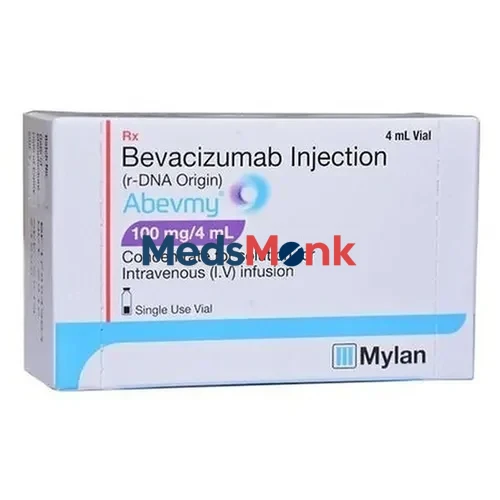
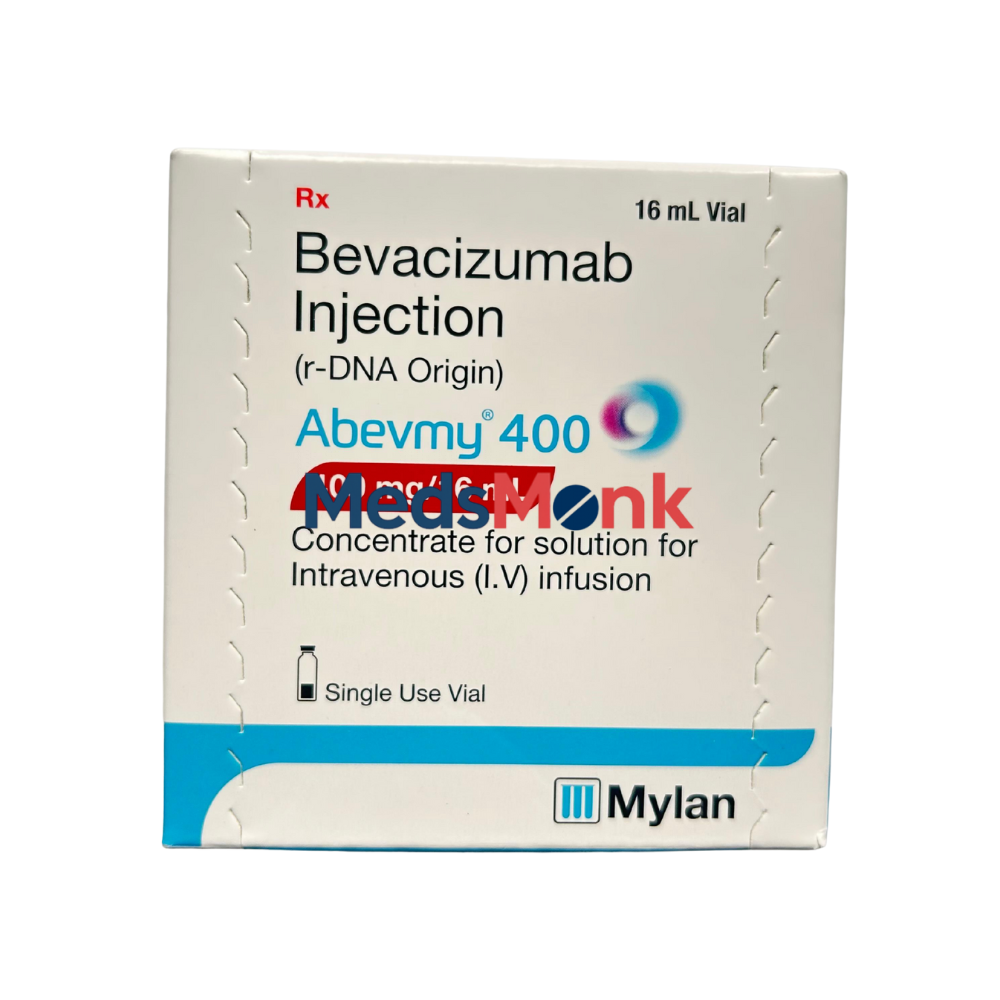
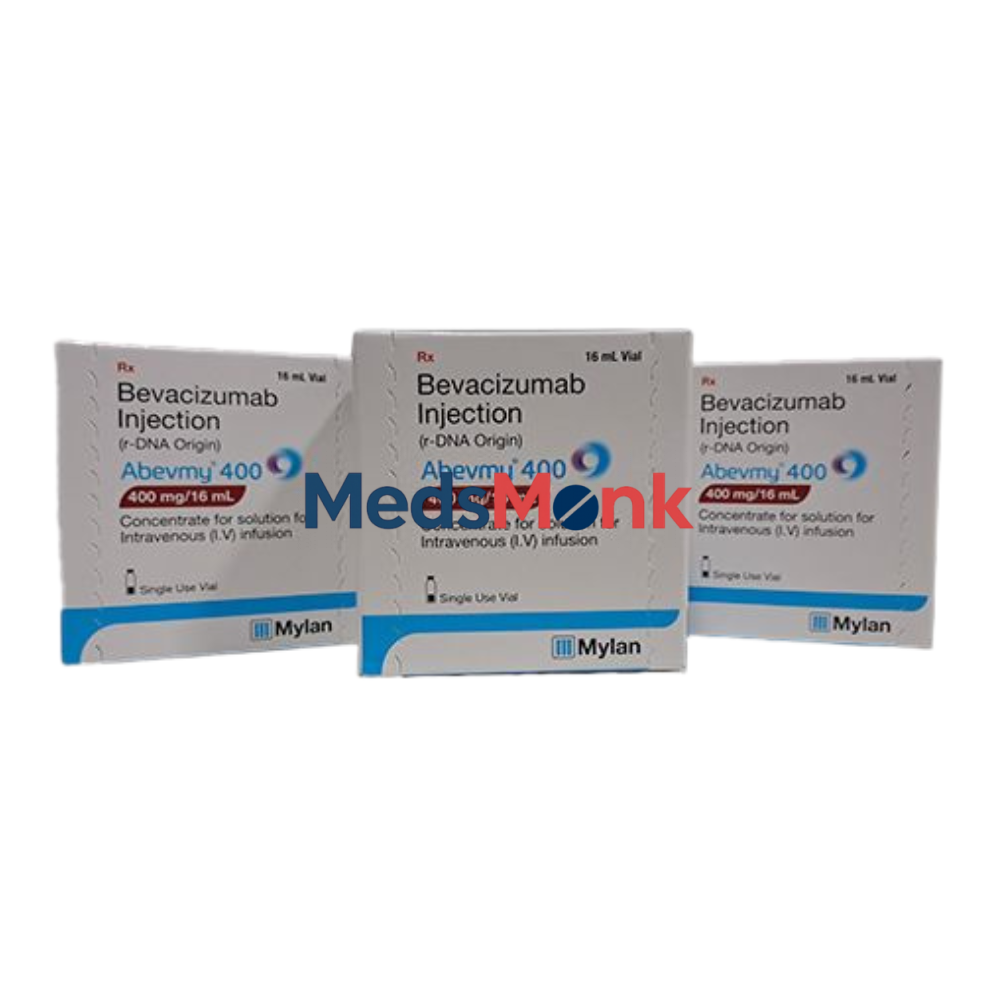
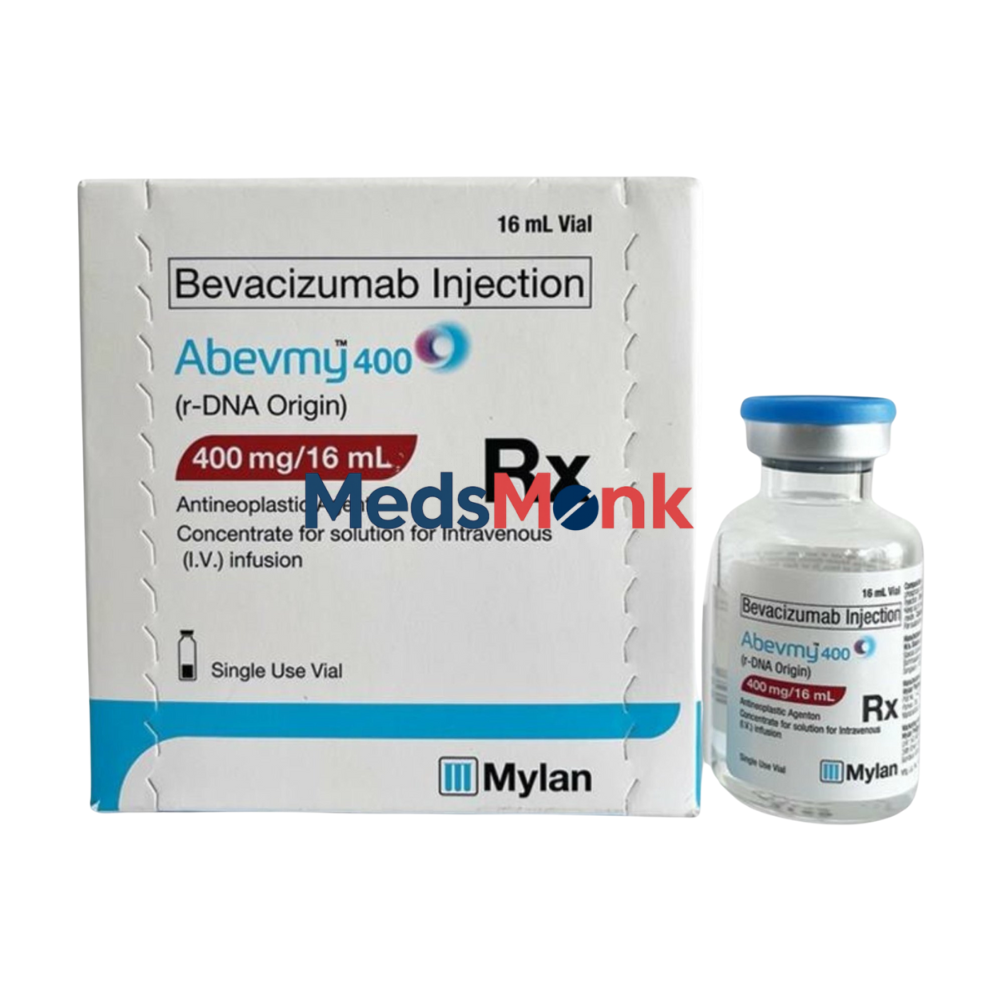
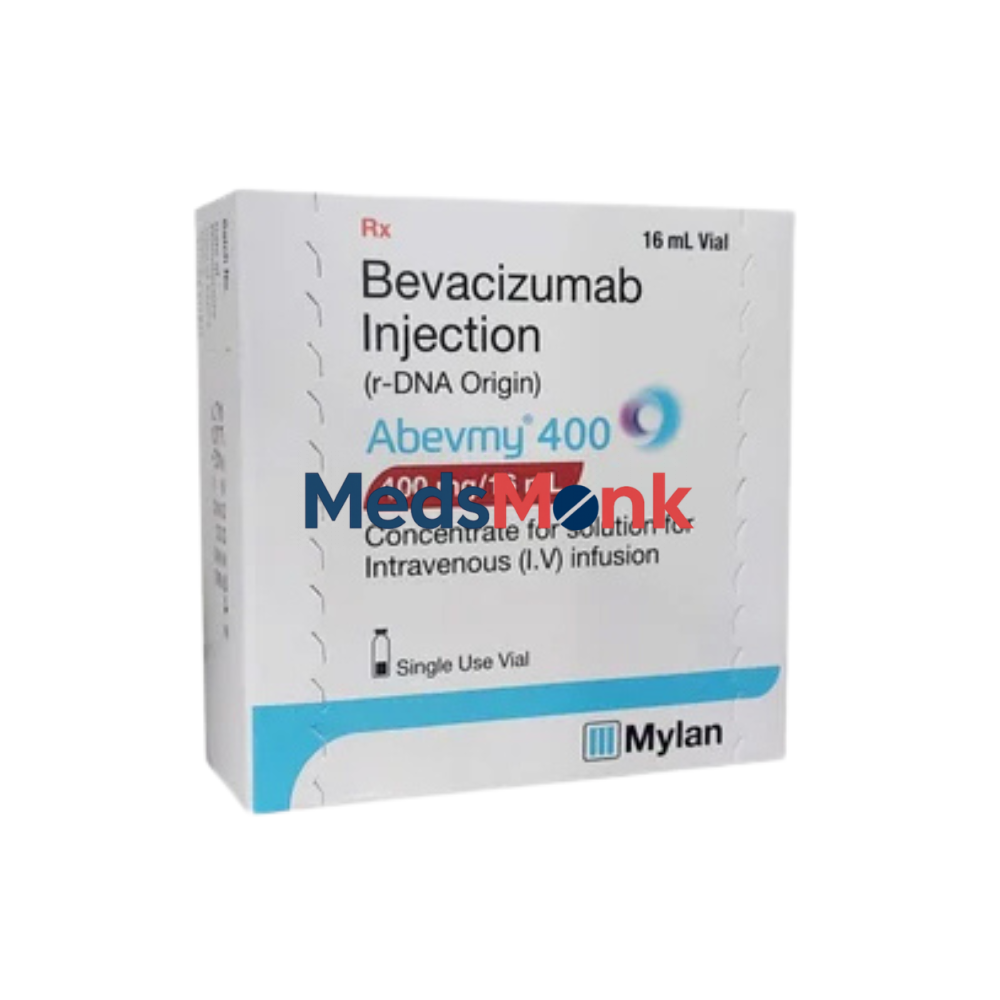
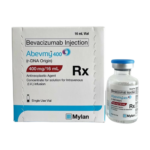
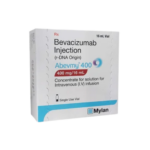
Abevmy 400 mg Injection
Request Pricing & Availability
Fill in your details below and our clinical team will get back to you with pricing & availability within 24 hours.
Similar Products
| Product | Manufacturer / Marketed By | Price |
|---|---|---|
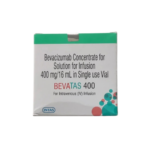 Bevatas 400 mg Injection
|
Intas Pharma | Ask for Price |
 Krabeva 400 mg Injection
|
Eris Lifesciences Limited | Ask for Price |
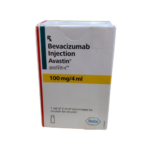 Avastin 400 mg Injection
|
Roche | Ask for Price |
 Cizumab 400 mg Vial
|
Hetero Healthcare | Ask for Price |

Description
Abevmy 400 mg Vial contains Bevacizumab, an anti-cancer monoclonal antibody used to treat various advanced solid tumors. It works by restricting blood supply to cancer cells, helping slow tumor growth. Administered under oncologist supervision.
Benefits
-
Slows tumor growth and spread
-
Enhances effectiveness of chemotherapy
-
Improves progression-free survival in eligible patients
-
Effective across multiple cancer types
-
Well-established targeted biologic therapy
Indications and Usage
Abevmy 400 mg Vial is indicated for:
-
Metastatic colorectal cancer
-
Non-small cell lung cancer (NSCLC)
-
Ovarian, fallopian tube & peritoneal cancer
-
Glioblastoma
-
Renal cell carcinoma
-
Cervical cancer
Treatment must be prescribed and supervised by an oncologist and administered in a medical facility.
How it Works
Bevacizumab targets and blocks Vascular Endothelial Growth Factor (VEGF) — a protein responsible for forming new blood vessels. By inhibiting VEGF, it reduces blood supply to tumors, slowing cancer growth and progression.
Dosage & Administration
-
Dose is based on body weight and cancer type
-
Given as an intravenous infusion in a hospital or infusion center
-
Typically administered every 2 or 3 weeks
-
Monitor blood pressure, kidney function, and treatment response regularly
-
Do not self-administer
Side Effects
Common side effects:
-
High blood pressure
-
Fatigue
-
Headache
-
Diarrhea or constipation
-
Nosebleeds
-
Protein in urine
Serious side effects (seek medical attention):
-
Severe bleeding
-
Blood clots
-
Gastrointestinal perforation
-
Poor wound healing
-
Kidney damage
-
Heart complications
Warning and Precaution
-
Not recommended during pregnancy or breastfeeding
-
Avoid treatment around major surgery due to impaired wound healing risk
-
Monitor for hypertension, bleeding, and proteinuria
-
Inform doctor about blood thinners or existing heart disease
-
Report abdominal pain, severe headache, chest pain, or unusual bleeding immediately
-
Not suitable for patients with uncontrolled hypertension or active bleeding
Related Products
-
Lenvitib 10 mg Capsule
LenvatinibPrice on request
Request pricing -
Lucimird 1 mg Capsule
Price on request
Request pricing -
Luciorfor 17.2 mg Tablet
Price on request
Request pricing -
Luciorfor 14.5 mg Tablet
Price on request
Request pricing -
Luciorfor 9 mg Tablet
Price on request
Request pricing -
Luciorfor 5.5 mg Tablet
Price on request
Request pricing -
Luciorfor 2.5 mg Tablet
Price on request
Request pricing -
Luciorfor 0.8 mg Tablet
Price on request
Request pricing -
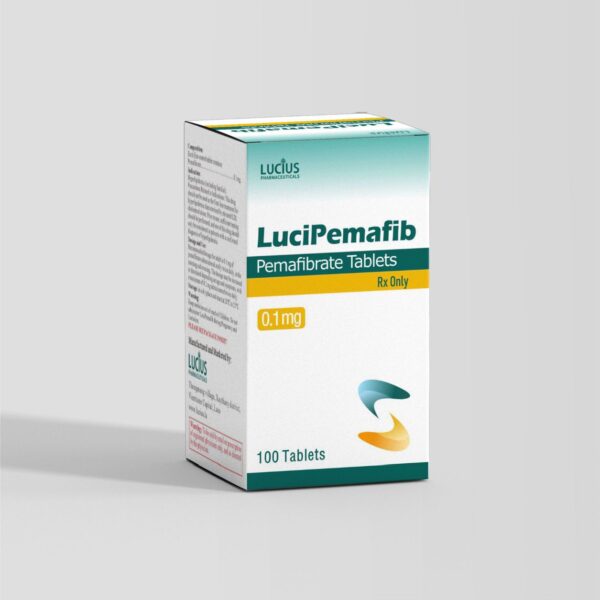
LuciPemafib 0.1 mg Tablet
Price on request
Request pricing -
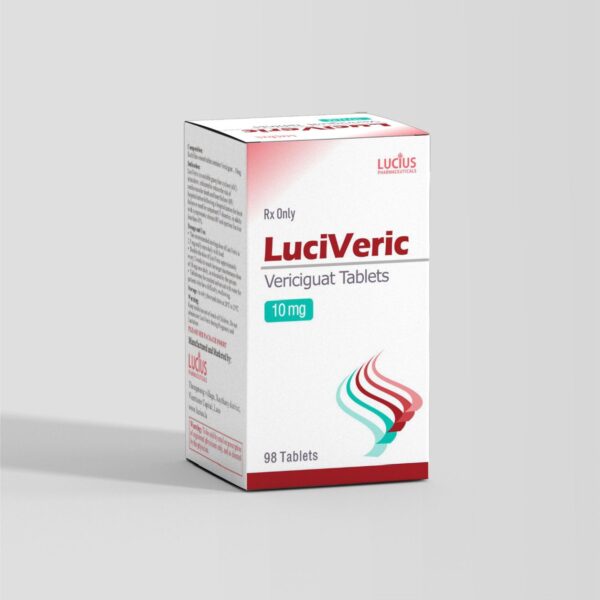
LuciVeric 10 mg Tablet
Price on request
Request pricing -
LuciLemb 5 mg Tablet
Price on request
Request pricing -
LuciElag 200 mg Tablet
Price on request
Request pricing






Related Reading
-
 Ruxolitinib Tablets Receive FDA Approval for Hematologic Malignancies
The U.S. Food and Drug Administration (FDA) has approved Ruxolitinib tablets for the treatment of certain hematologic malignancies, marking another
Ruxolitinib Tablets Receive FDA Approval for Hematologic Malignancies
The U.S. Food and Drug Administration (FDA) has approved Ruxolitinib tablets for the treatment of certain hematologic malignancies, marking another
-
 Tovorafenib Approved in Europe for Children with BRAF-Altered Low-Grade Glioma
Medical Review: This article was reviewed by Dr. Sophie Reynolds on May 14, 2026. n This marks an important milestone
Tovorafenib Approved in Europe for Children with BRAF-Altered Low-Grade Glioma
Medical Review: This article was reviewed by Dr. Sophie Reynolds on May 14, 2026. n This marks an important milestone
-
 FDA Approves Vepdegestrant for ER+/HER2–, ESR1-Mutated Breast Cancer: A New Targeted Option
Medical Review: This article was reviewed by Dr. Sophie Reynolds on May 6, 2026. Breast cancer treatment continues to evolve
FDA Approves Vepdegestrant for ER+/HER2–, ESR1-Mutated Breast Cancer: A New Targeted Option
Medical Review: This article was reviewed by Dr. Sophie Reynolds on May 6, 2026. Breast cancer treatment continues to evolve
-
 FDA Fast-Tracks Plixorafenib for BRAF V600E–Mutated Brain Tumors
Medical Review: This article was reviewed by Dr. Sophie Reynolds on April 14, 2026. n Brain tumors, especially high-grade gliomas,
FDA Fast-Tracks Plixorafenib for BRAF V600E–Mutated Brain Tumors
Medical Review: This article was reviewed by Dr. Sophie Reynolds on April 14, 2026. n Brain tumors, especially high-grade gliomas,
-
 What are the 4 stages of lung cancer?
Medical Review: This article was reviewed by Dr. Sophie Reynolds on April 7, 2026. n Lung cancer staging is a
What are the 4 stages of lung cancer?
Medical Review: This article was reviewed by Dr. Sophie Reynolds on April 7, 2026. n Lung cancer staging is a
-
 First-Line Palbociclib Combination Boosts PFS in HR+/HER2+ mBC – PATINA Findings
Medical Review: This article was reviewed by Dr. Sophie Reynolds on April 1, 2026. n Metastatic breast cancer (mBC) remains
First-Line Palbociclib Combination Boosts PFS in HR+/HER2+ mBC – PATINA Findings
Medical Review: This article was reviewed by Dr. Sophie Reynolds on April 1, 2026. n Metastatic breast cancer (mBC) remains
Shipping & Delivery
- Ships from
- India, worldwide delivery
- Order processing
- 1–3 business days after checks
- Transit time
- 5–7 business days by express courier
- Tracking
- Tracking number sent by email or SMS
- Packaging
- Discreet, tamper-evident, cold-chain available
- Duties & taxes
- Payable by the recipient on import