



Tucaxen 150 mg Tablet
Request Pricing & Availability
Fill in your details below and our clinical team will get back to you with pricing & availability within 24 hours.
Similar Products
| Product | Manufacturer / Marketed By | Price |
|---|---|---|
 Tucanat 150 mg Tablet
|
Natco Pharma | Ask for Price |
 LuciTuca 150 mg Tablet
|
Lucius Pharma | Ask for Price |
|
Tukysa 150 mg Tablet
|
Seagen | Ask for Price |

Indications and Usage
HER2-Positive Breast Cancer: Tucatinib is used in combination with other medications, such as trastuzumab and capecitabine, to treat patients with locally advanced or metastatic HER2-positive breast cancer.
Previously Treated Patients: It is particularly indicated for patients who have received one or more prior anti-HER2 therapies, including those who have brain metastases.
Brain Metastases: Tucatinib has shown efficacy in patients with brain involvement, which is a common complication in HER2-positive breast cancer that can complicate treatment options.
Combination Therapy: It is often used in combination with other systemic therapies to enhance anti-tumor activity and improve clinical outcomes in patients with resistant disease.
Targeted Therapy: As a small molecule tyrosine kinase inhibitor, Tucatinib specifically inhibits the HER2 protein, making it effective in targeting tumor cells that overexpress HER2.
Clinical Trials: Tucatinib has been studied in clinical trials, demonstrating improved progression-free survival and overall survival in eligible patient populations compared to traditional therapies.
Patients should discuss their treatment options with their oncologist to determine the appropriateness of Tucatinib based on their specific cancer characteristics and treatment history. As with any medication, it is important to consider potential side effects and interactions with other drugs.
How it Works
Tucatinib is a small molecule tyrosine kinase inhibitor that targets the human epidermal growth factor receptor 2 (HER2). HER2 is a protein that, when overexpressed, promotes the growth and spread of cancer cells, particularly in certain types of breast cancer. By specifically inhibiting HER2 signaling, Tucatinib helps to stop or slow down the growth of HER2-positive tumors. It is particularly effective in treating breast cancer that is resistant to other therapies and has shown effectiveness in treating brain metastases.
Dosage & Administration
- Dosage: The recommended dose of Tucatinib is usually 300 mg taken orally twice daily. However, the specific dosage may vary based on individual patient factors and should be directed by a healthcare professional.
- Administration: It can be taken with or without food. It’s essential to follow the prescribing physician’s instructions regarding timing and dosage.
- Adherence: Patients should adhere to the treatment schedule and consult their healthcare provider if they miss a dose or experience side effects.
Side Effects
Common side effects of Tucatinib may include:
- Diarrhea: A frequent side effect that may require management with medications or changes in diet.
- Nausea: May occur but is generally manageable.
- Fatigue: Many patients report feeling tired or lacking energy.
- Rash: Skin rashes or changes can occur.
- Appetite Loss: Decreased appetite is a common complaint.
- Abdominal Pain: Some patients may experience stomach discomfort.
- Elevated Liver Enzymes: Liver function tests should be monitored, as elevated enzymes can indicate liver issues.
Less common but serious side effects may include:
- Severe Liver Toxicity: Monitor liver function closely.
- Cardiac Issues: Patients with certain pre-existing conditions may need monitoring for heart-related side effects.
- Severe Allergic Reactions: Anaphylaxis or severe allergic reactions may occur in rare cases.
Warning and Precaution
- Liver Function: Regular monitoring of liver function tests is essential, as Tucatinib can cause liver dysfunction.
- Cardiovascular Health: Patients should be assessed for any history of heart problems, as there may be risks associated with cardiac events.
- Pregnancy and Lactation: Tucatinib can cause fetal harm; thus, effective contraception is recommended during treatment and for a period after completing therapy. It is also not recommended for breastfeeding mothers.
- Drug Interactions: Inform the healthcare provider about all medications, supplements, or herbal products being taken to avoid potential interactions.
FAQ
Related Products
-
Lenvitib 10 mg Capsule
LenvatinibPrice on request
Request pricing -
Lucimird 1 mg Capsule
Price on request
Request pricing -
Luciorfor 17.2 mg Tablet
Price on request
Request pricing -
Luciorfor 14.5 mg Tablet
Price on request
Request pricing -
Luciorfor 9 mg Tablet
Price on request
Request pricing -
Luciorfor 5.5 mg Tablet
Price on request
Request pricing -
Luciorfor 2.5 mg Tablet
Price on request
Request pricing -
Luciorfor 0.8 mg Tablet
Price on request
Request pricing -
LuciPemafib 0.1 mg Tablet
Price on request
Request pricing -
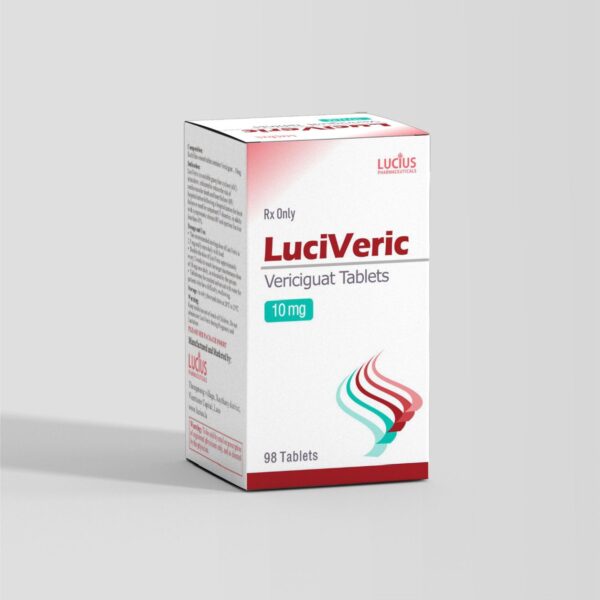
LuciVeric 10 mg Tablet
Price on request
Request pricing -
LuciLemb 5 mg Tablet
Price on request
Request pricing -
LuciElag 200 mg Tablet
Price on request
Request pricing







Related Reading
-
 Ruxolitinib Tablets Receive FDA Approval for Hematologic Malignancies
The U.S. Food and Drug Administration (FDA) has approved Ruxolitinib tablets for the treatment of certain hematologic malignancies, marking another
Ruxolitinib Tablets Receive FDA Approval for Hematologic Malignancies
The U.S. Food and Drug Administration (FDA) has approved Ruxolitinib tablets for the treatment of certain hematologic malignancies, marking another
-
 Tovorafenib Approved in Europe for Children with BRAF-Altered Low-Grade Glioma
Medical Review: This article was reviewed by Dr. Sophie Reynolds on May 14, 2026. n This marks an important milestone
Tovorafenib Approved in Europe for Children with BRAF-Altered Low-Grade Glioma
Medical Review: This article was reviewed by Dr. Sophie Reynolds on May 14, 2026. n This marks an important milestone
-
 FDA Approves Vepdegestrant for ER+/HER2–, ESR1-Mutated Breast Cancer: A New Targeted Option
Medical Review: This article was reviewed by Dr. Sophie Reynolds on May 6, 2026. Breast cancer treatment continues to evolve
FDA Approves Vepdegestrant for ER+/HER2–, ESR1-Mutated Breast Cancer: A New Targeted Option
Medical Review: This article was reviewed by Dr. Sophie Reynolds on May 6, 2026. Breast cancer treatment continues to evolve
-
 FDA Fast-Tracks Plixorafenib for BRAF V600E–Mutated Brain Tumors
Medical Review: This article was reviewed by Dr. Sophie Reynolds on April 14, 2026. n Brain tumors, especially high-grade gliomas,
FDA Fast-Tracks Plixorafenib for BRAF V600E–Mutated Brain Tumors
Medical Review: This article was reviewed by Dr. Sophie Reynolds on April 14, 2026. n Brain tumors, especially high-grade gliomas,
-
 What are the 4 stages of lung cancer?
Medical Review: This article was reviewed by Dr. Sophie Reynolds on April 7, 2026. n Lung cancer staging is a
What are the 4 stages of lung cancer?
Medical Review: This article was reviewed by Dr. Sophie Reynolds on April 7, 2026. n Lung cancer staging is a
-
 First-Line Palbociclib Combination Boosts PFS in HR+/HER2+ mBC – PATINA Findings
Medical Review: This article was reviewed by Dr. Sophie Reynolds on April 1, 2026. n Metastatic breast cancer (mBC) remains
First-Line Palbociclib Combination Boosts PFS in HR+/HER2+ mBC – PATINA Findings
Medical Review: This article was reviewed by Dr. Sophie Reynolds on April 1, 2026. n Metastatic breast cancer (mBC) remains
Shipping & Delivery
- Ships from
- India, worldwide delivery
- Order processing
- 1–3 business days after checks
- Transit time
- 5–7 business days by express courier
- Tracking
- Tracking number sent by email or SMS
- Packaging
- Discreet, tamper-evident, cold-chain available
- Duties & taxes
- Payable by the recipient on import
Only logged in customers who have purchased this product may leave a review.
Reviews
Clear filtersThere are no reviews yet.