
Cabometyx 60 mg Tablet
Request Pricing & Availability
Fill in your details below and our clinical team will get back to you with pricing & availability within 24 hours.
Similar Products
| Product | Manufacturer / Marketed By | Price |
|---|---|---|
 Kabonib 60 mg Tablet
|
Adley | Ask for Price |

Description
Cabometyx 60 mg Tablet contains cabozantinib, an oral targeted anticancer medicine classified as a tyrosine kinase inhibitor (TKI). It is used in the management of certain advanced cancers by blocking multiple signaling pathways that tumors use to grow and spread. Cabometyx is commonly prescribed for conditions such as advanced renal cell carcinoma (kidney cancer), hepatocellular carcinoma (liver cancer), and certain thyroid cancers, depending on regulatory approvals and clinical recommendations. Cabozantinib works by targeting proteins involved in tumor growth, blood vessel formation, and cancer cell survival. By inhibiting these pathways, it may help slow disease progression when used as prescribed by a qualified healthcare professional. Treatment with Cabometyx is typically part of a comprehensive oncology care plan and requires regular monitoring by a physician, including blood tests
Benefits
-
Targets multiple cancer-related pathways, including MET, VEGFR, and AXL
-
Oral therapy that may allow outpatient cancer management
-
May help slow tumor growth and spread in certain cancers
-
Used in advanced-stage cancers where targeted therapy is appropriate
-
Part of modern precision oncology treatment approaches
Indications and Usage
Cabometyx (cabozantinib) may be prescribed for:
-
Advanced Renal Cell Carcinoma (RCC)
-
Hepatocellular Carcinoma (HCC) in patients previously treated with sorafenib
-
Differentiated thyroid cancer (DTC) that has progressed after prior therapy
-
Other oncology uses where approved by regulatory authorities
Use is determined by an oncologist based on the patient’s diagnosis, disease stage, and prior treatments.
How it Works
Cabozantinib works by inhibiting several tyrosine kinase receptors, including MET, VEGFR, and AXL, which are involved in tumor growth, angiogenesis (formation of new blood vessels), and cancer cell survival. Many cancers rely on these signaling pathways to maintain blood supply and spread to other tissues.
By blocking these enzymes, cabozantinib may reduce tumor cell proliferation and disrupt the blood vessels that supply nutrients to tumors. This targeted approach can help slow disease progression in some patients when used as prescribed and monitored by a healthcare professional.
Dosage & Administration
Dosage & Administration
-
Cabometyx tablets are taken orally, usually once daily unless otherwise directed by a healthcare professional.
-
Tablets should be swallowed whole with water.
-
Do not crush, split, or chew the tablets.
-
The medicine is typically taken on an empty stomach (avoid food for at least 2 hours before and 1 hour after the dose, unless instructed otherwise).
-
Dosage adjustments may occur based on tolerance, side effects, or clinical response.
-
Treatment duration is determined by the treating oncologist.
Side Effects
Common side effects
-
Fatigue
-
Diarrhea
-
Decreased appetite
-
Nausea or vomiting
-
Weight loss
-
High blood pressure
-
Hand–foot syndrome (palmar-plantar erythrodysesthesia)
-
Mouth sores
Serious side effects
-
Severe bleeding
-
Gastrointestinal perforation or fistula
-
Severe hypertension
-
Liver function abnormalities
-
Blood clots
-
Delayed wound healing
Patients should seek medical attention if serious symptoms occur.
Warning and Precaution
-
Risk of severe bleeding events
-
Possible gastrointestinal perforation or fistula formation
-
High blood pressure requiring monitoring
-
Potential liver toxicity
-
Risk of blood clots or thromboembolic events
-
Delayed wound healing; inform healthcare providers before surgery
-
May cause severe diarrhea or dehydration
-
Pregnancy should be avoided during treatment
Patient Guidance
-
Take the medication exactly as prescribed by your oncologist
-
Attend regular monitoring appointments and laboratory tests
-
Report symptoms such as severe bleeding, chest pain, or severe diarrhea
-
Inform your doctor about all medications, vitamins, and herbal products
-
Avoid grapefruit and grapefruit products, which may affect drug levels
-
Maintain proper hydration during treatment
-
Store medication according to labeled instructions
Clinical Trial & Approvals
Cabozantinib has been evaluated in several major clinical trials for cancer treatment. Studies such as METEOR and CABOSUN trials demonstrated improved progression outcomes in certain patients with advanced renal cell carcinoma. Based on these and other studies, cabozantinib has received approvals from regulatory agencies including the U.S. Food and Drug Administration (FDA) and European Medicines Agency (EMA) for specific oncology indications.
References
- U.S. Food and Drug Administration (FDA) – Cabometyx Prescribing Information
https://www.accessdata.fda.gov/drugsatfda_docs/label/2019/208692s003lbl.pdf -
FDA Drug Approval Information – Cabozantinib (Cabometyx)
https://www.fda.gov/drugs/resources-information-approved-drugs/cabozantinib-cabometyx -
Drugs.com – Cabometyx (Cabozantinib) Drug Information
https://www.drugs.com/history/cabometyx.html -
National Cancer Institute (NCI) – Cabozantinib Overview
https://www.cancer.gov/about-cancer/treatment/drugs/cabozantinib -
ClinicalTrials.gov – Cabozantinib Clinical Studies
https://clinicaltrials.gov/search?cond=&term=cabozantinib -
Official HCP Website – Cabometyx (Exelixis/Ipsen)
https://www.cabometyxhcp.com -
Cabozantinib Drug Overview (Background & Mechanism)
https://en.wikipedia.org/wiki/Cabozantinib
FAQ
Related Products
-
Lenvitib 10 mg Capsule
LenvatinibPrice on request
Request pricing -
Lucimird 1 mg Capsule
Price on request
Request pricing -
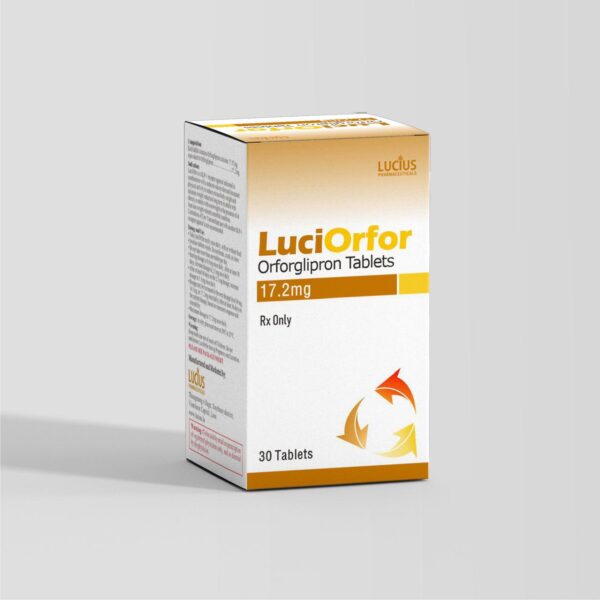
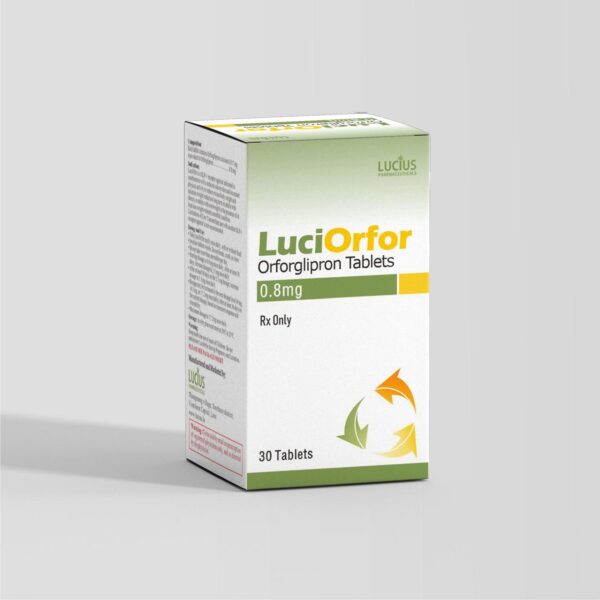
Luciorfor 17.2 mg Tablet
Price on request
Request pricing -
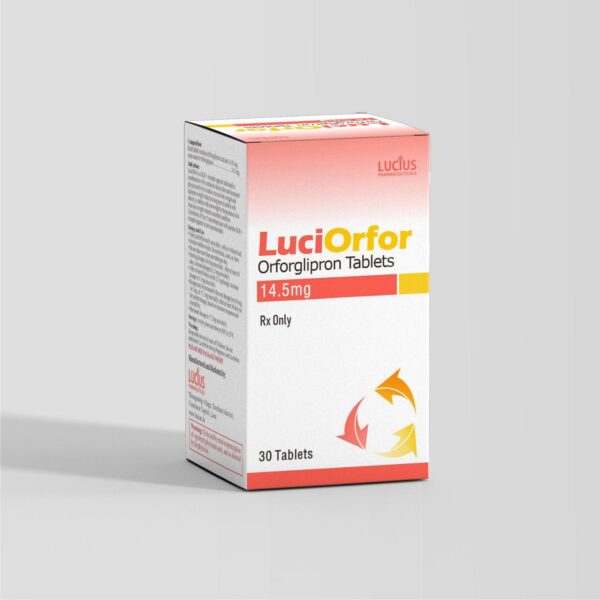
Luciorfor 14.5 mg Tablet
Price on request
Request pricing -
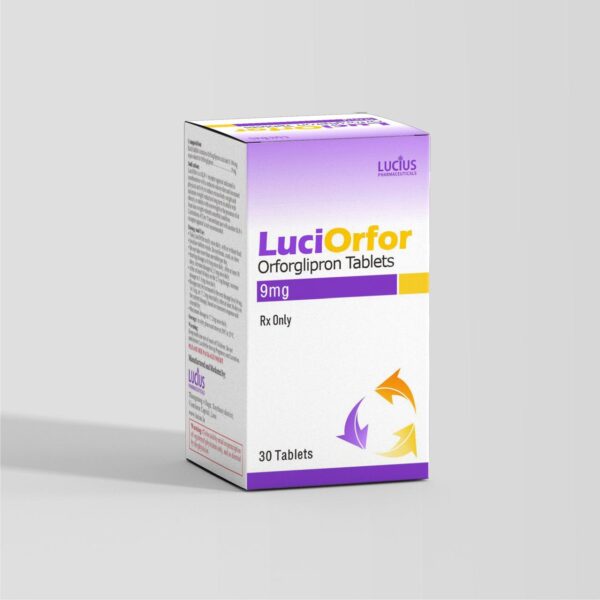
Luciorfor 9 mg Tablet
Price on request
Request pricing -
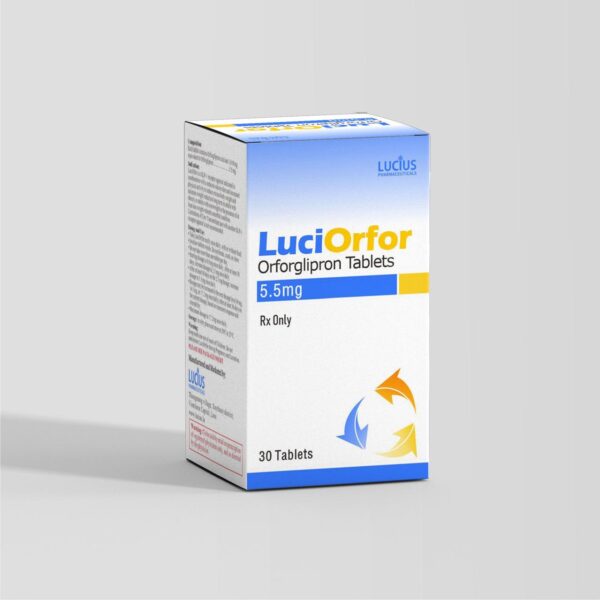
Luciorfor 5.5 mg Tablet
Price on request
Request pricing -
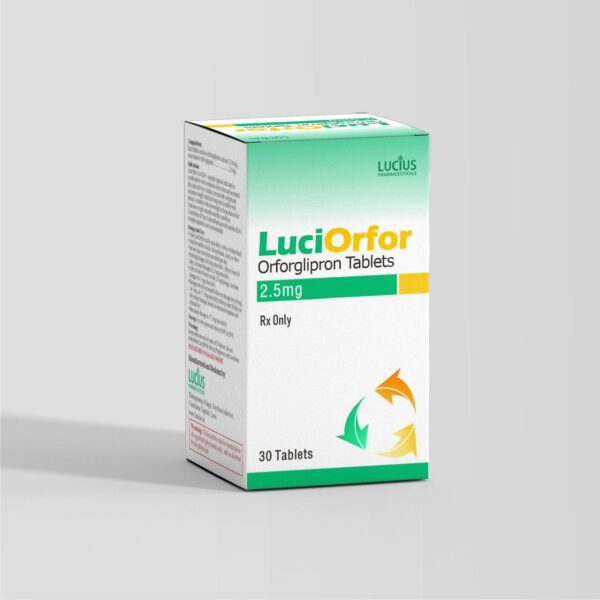
Luciorfor 2.5 mg Tablet
Price on request
Request pricing -
Luciorfor 0.8 mg Tablet
Price on request
Request pricing -
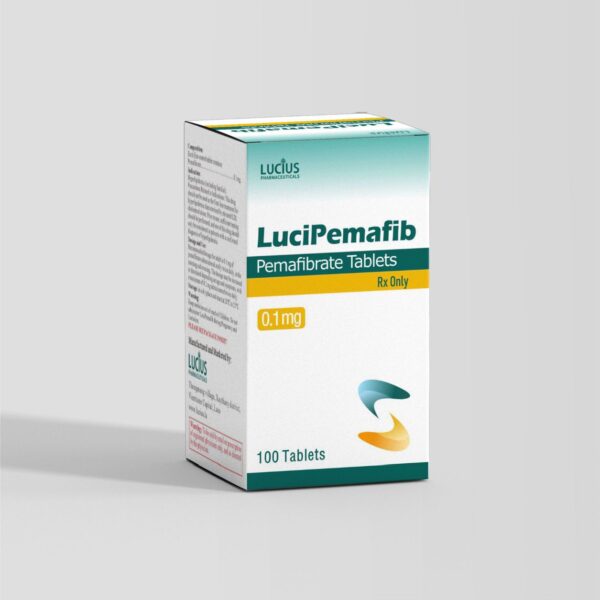
LuciPemafib 0.1 mg Tablet
Price on request
Request pricing -
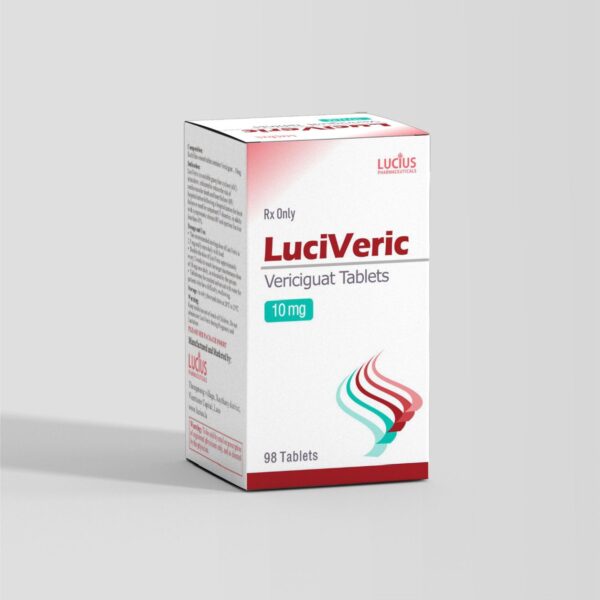
LuciVeric 10 mg Tablet
Price on request
Request pricing -
LuciLemb 5 mg Tablet
Price on request
Request pricing -
LuciElag 200 mg Tablet
Price on request
Request pricing
Related Reading
-
 Ruxolitinib Tablets Receive FDA Approval for Hematologic Malignancies
The U.S. Food and Drug Administration (FDA) has approved Ruxolitinib tablets for the treatment of certain hematologic malignancies, marking another
Ruxolitinib Tablets Receive FDA Approval for Hematologic Malignancies
The U.S. Food and Drug Administration (FDA) has approved Ruxolitinib tablets for the treatment of certain hematologic malignancies, marking another
-
 Tovorafenib Approved in Europe for Children with BRAF-Altered Low-Grade Glioma
Medical Review: This article was reviewed by Dr. Sophie Reynolds on May 14, 2026. n This marks an important milestone
Tovorafenib Approved in Europe for Children with BRAF-Altered Low-Grade Glioma
Medical Review: This article was reviewed by Dr. Sophie Reynolds on May 14, 2026. n This marks an important milestone
-
 FDA Fast-Tracks Plixorafenib for BRAF V600E–Mutated Brain Tumors
Medical Review: This article was reviewed by Dr. Sophie Reynolds on April 14, 2026. n Brain tumors, especially high-grade gliomas,
FDA Fast-Tracks Plixorafenib for BRAF V600E–Mutated Brain Tumors
Medical Review: This article was reviewed by Dr. Sophie Reynolds on April 14, 2026. n Brain tumors, especially high-grade gliomas,
-
 What are the 4 stages of lung cancer?
Medical Review: This article was reviewed by Dr. Sophie Reynolds on April 7, 2026. n Lung cancer staging is a
What are the 4 stages of lung cancer?
Medical Review: This article was reviewed by Dr. Sophie Reynolds on April 7, 2026. n Lung cancer staging is a
-
 Sunvozertinib vs Chemo: A PFS Breakthrough in EGFR+ NSCLC
Medical Review: This article was reviewed by Dr. Sophie Reynolds on March 25, 2026. n The treatment landscape for EGFR-mutated
Sunvozertinib vs Chemo: A PFS Breakthrough in EGFR+ NSCLC
Medical Review: This article was reviewed by Dr. Sophie Reynolds on March 25, 2026. n The treatment landscape for EGFR-mutated
-
 Atirmociclib and Fulvestrant Together Delay Cancer Progression in HR+/HER2– Cases
Medical Review: This article was reviewed by Dr. Sophie Reynolds on March 23, 2026. Advancements in breast cancer treatment continue
Atirmociclib and Fulvestrant Together Delay Cancer Progression in HR+/HER2– Cases
Medical Review: This article was reviewed by Dr. Sophie Reynolds on March 23, 2026. Advancements in breast cancer treatment continue
Shipping & Delivery
- Ships from
- India, worldwide delivery
- Order processing
- 1–3 business days after checks
- Transit time
- 5–7 business days by express courier
- Tracking
- Tracking number sent by email or SMS
- Packaging
- Discreet, tamper-evident, cold-chain available
- Duties & taxes
- Payable by the recipient on import
Only logged in customers who have purchased this product may leave a review.
Reviews
Clear filtersThere are no reviews yet.