
Molecule
Exemestane
Exemestane is used in prescription treatment plans. Learn dosage guidance, side effects, precautions, and available strengths at Medsmonk.
Available Exemestane brands
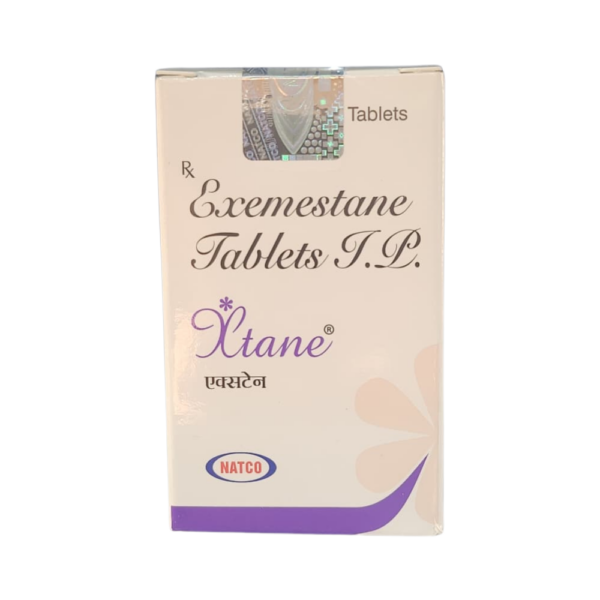
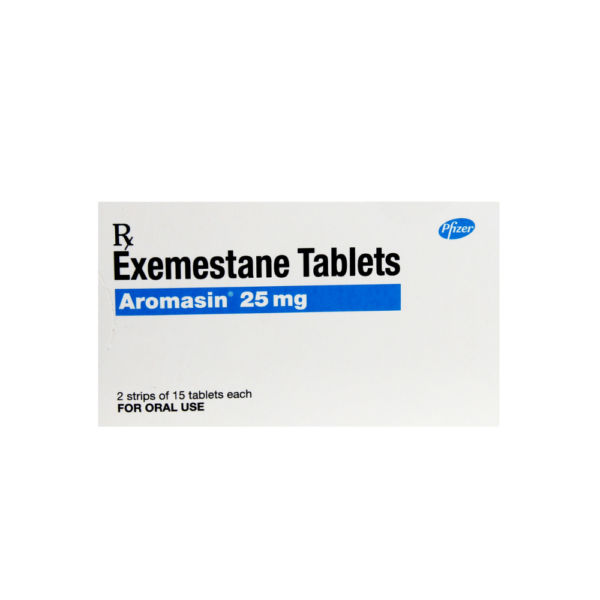
About Exemestane
Exemestane is an oral hormonal therapy used primarily in the management of hormone receptor–positive breast cancer, particularly in postmenopausal women. It belongs to a class of medicines known as aromatase inhibitors, which are designed to reduce estrogen levels in the body—a critical factor in the growth of many breast cancers.
In postmenopausal women, estrogen is no longer produced mainly by the ovaries. Instead, it is generated through the conversion of androgens into estrogen by an enzyme called aromatase, which is found in peripheral tissues such as fat and muscle. Exemestane is designed to interrupt this process at its source.
At the molecular level, Exemestane is a steroidal, irreversible aromatase inhibitor. It closely resembles the natural substrate of the aromatase enzyme and binds permanently to its active site. This “suicide inhibition” leads to long-lasting suppression of estrogen production, even after the drug itself has been cleared from the bloodstream. As estrogen levels decline, hormone-dependent cancer cells are deprived of a key growth signal, slowing disease progression.
What distinguishes Exemestane from non-steroidal aromatase inhibitors is its irreversible mechanism of action. Rather than temporarily blocking the enzyme, Exemestane permanently inactivates it, requiring the body to synthesize new aromatase enzymes before estrogen production can resume. This characteristic makes it particularly useful in patients who have progressed on earlier hormone therapies.
Exemestane is commonly used in adjuvant and extended adjuvant settings, as well as in advanced or metastatic breast cancer. Its role is often part of a long-term treatment strategy, where sustained hormonal suppression is essential for disease control rather than rapid tumor shrinkage.
From a pharmaceutical standpoint, Exemestane requires consistent molecular purity and predictable bioavailability. Because treatment typically continues for years, even small variations in formulation could influence estrogen suppression over time. Reliable manufacturing and stability are therefore essential to maintain consistent therapeutic exposure and long-term effectiveness.
Clinically, Exemestane does not act as a cytotoxic agent. Instead, it modifies the hormonal environment that supports cancer growth. This approach reflects a broader treatment philosophy in hormone-driven cancers, where altering systemic biology can be as important as directly targeting tumor cells.
Overall, Exemestane represents a well-established and biologically precise therapy that demonstrates how targeted hormone manipulation can deliver durable clinical benefit. Its continued use underscores the importance of molecular design, mechanism-based treatment, and long-term consistency in managing hormone-dependent cancers.
Need Exemestane?
Our pharmacists can confirm availability, pricing and what your country requires for import.