



Combinib 250 mg Tablet
Request Pricing & Availability
Fill in your details below and our clinical team will get back to you with pricing & availability within 24 hours.
Similar Products
| Product | Manufacturer / Marketed By | Price |
|---|---|---|
 Hertab 250 mg Tablet
|
Hetero Healthcare | Ask for Price |
|
Tykerb 250 mg Tablet
|
Novartis | Ask for Price |
 Herduo 250 mg Tablet
|
Natco Pharma | Ask for Price |

Description
Combinib 250 mg Tablet contains Lapatinib, a targeted anticancer agent used in the treatment of HER2-positive breast cancer. It is a tyrosine kinase inhibitor (TKI) that blocks specific proteins responsible for cancer cell growth and spread. Combinib is typically used in combination with other anticancer drugs in patients who have advanced or metastatic breast cancer.
Benefits
-
Specifically targets HER2-positive cancer cells
-
Delays progression of metastatic breast cancer
-
Oral administration allows at-home treatment
-
Often used when resistance to trastuzumab or chemotherapy occurs
-
Can be combined with hormone therapy or chemotherapy
Indications and Usage
Combinib (Lapatinib) is indicated for the treatment of:
-
Advanced or metastatic HER2-positive breast cancer
-
In combination with capecitabine in patients previously treated with anthracyclines, taxanes, and trastuzumab
-
In combination with letrozole for postmenopausal women with hormone receptor–positive, HER2-positive metastatic breast cancer
-
It must be prescribed and monitored by a qualified oncologist.
How it Works
Lapatinib blocks the HER2/neu and EGFR (ErbB1) tyrosine kinases — proteins that promote growth and survival of cancer cells. By inhibiting these signaling pathways, Combinib slows or stops tumor cell growth, especially in HER2-positive breast cancer.
Dosage & Administration
-
Dosage is determined by your oncologist based on your condition and combination therapy
-
Typically taken once daily on an empty stomach (1 hour before or 1 hour after meals)
-
Must be swallowed whole with water — do not crush or chew
-
Do not skip or stop treatment unless advised by your doctor
-
Regular monitoring of liver function and cardiac status may be required
Side Effects
Common side effects:
-
Diarrhea
-
Nausea or vomiting
-
Rash or skin irritation
-
Loss of appetite
-
Fatigue
-
Mouth sores
Serious side effects (seek medical attention):
-
Liver enzyme elevation or liver toxicity
-
Dehydration due to severe diarrhea
-
Heart rhythm changes (rare)
-
Interstitial lung disease (rare)
Warning and Precaution
-
Not recommended in pregnancy or breastfeeding
-
May cause liver damage — monitor liver enzymes
-
Use with caution in patients with heart disease or lung problems
-
May cause severe diarrhea — hydration and antidiarrheal medications may be needed
-
Inform your doctor about all medications and supplements
-
Avoid grapefruit juice as it may affect drug levels
Related Products
-
Lenvitib 10 mg Capsule
LenvatinibPrice on request
Request pricing -
Lucimird 1 mg Capsule
Price on request
Request pricing -
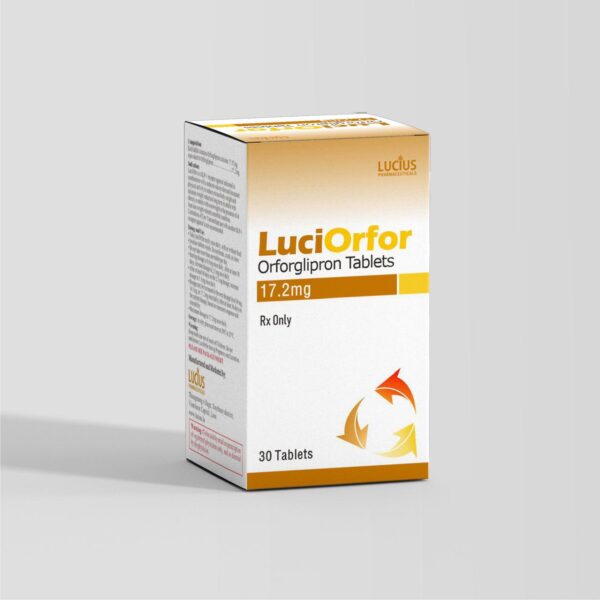
Luciorfor 17.2 mg Tablet
Price on request
Request pricing -
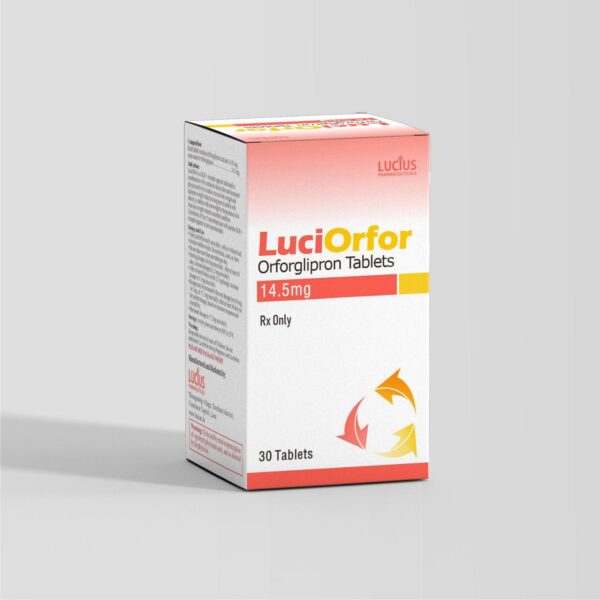
Luciorfor 14.5 mg Tablet
Price on request
Request pricing -
Luciorfor 9 mg Tablet
Price on request
Request pricing -
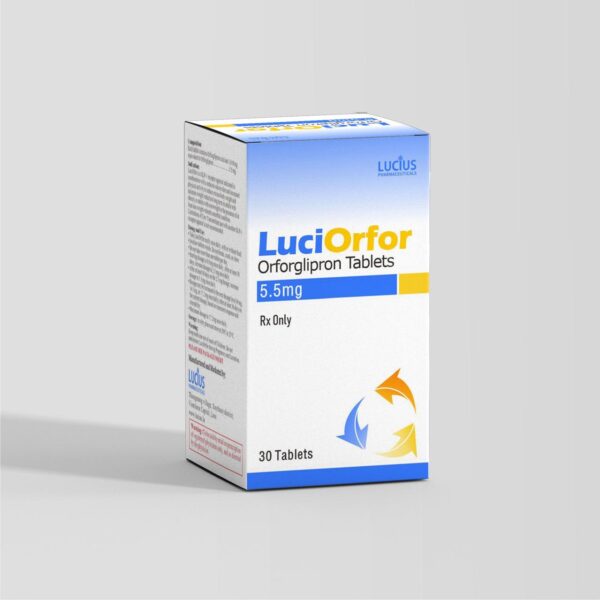
Luciorfor 5.5 mg Tablet
Price on request
Request pricing -
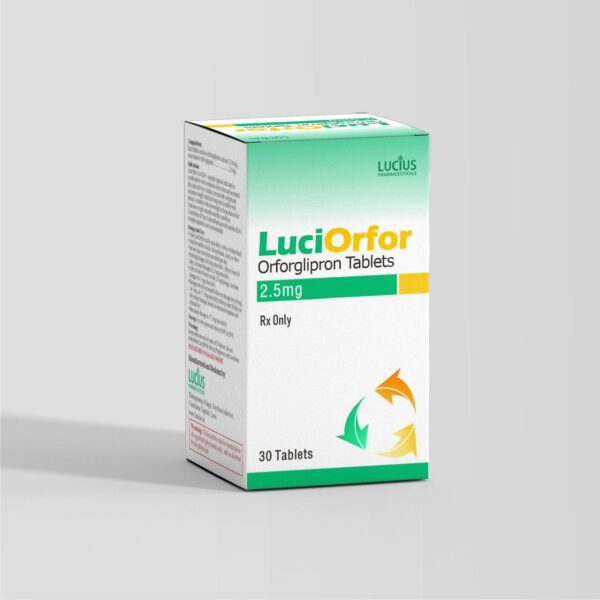
Luciorfor 2.5 mg Tablet
Price on request
Request pricing -
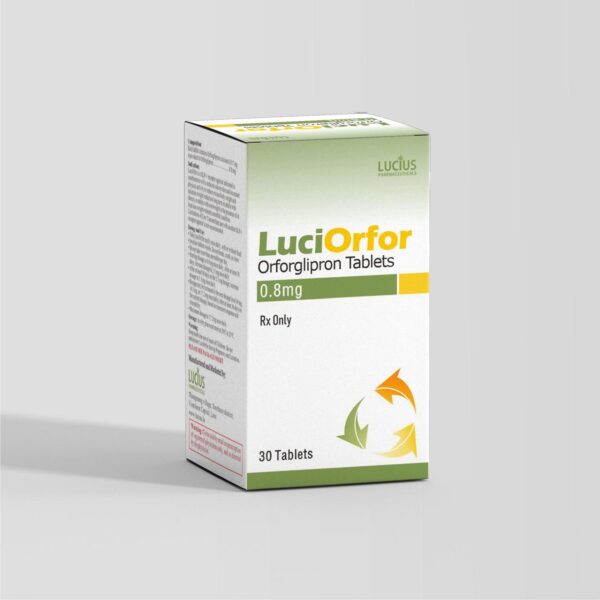
Luciorfor 0.8 mg Tablet
Price on request
Request pricing -
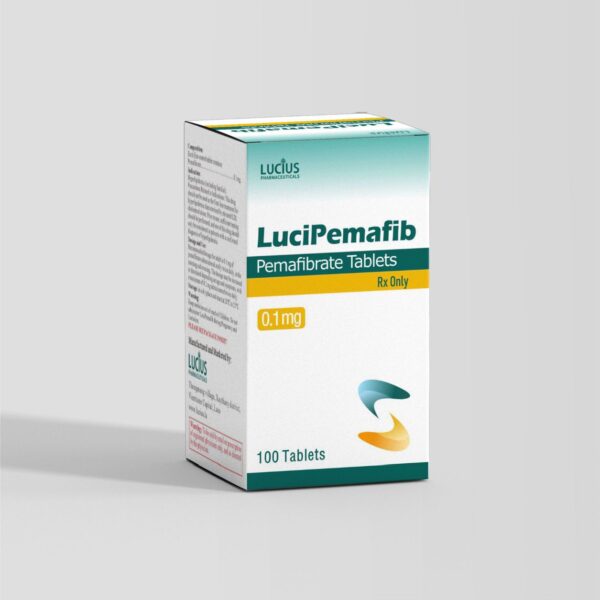
LuciPemafib 0.1 mg Tablet
Price on request
Request pricing -
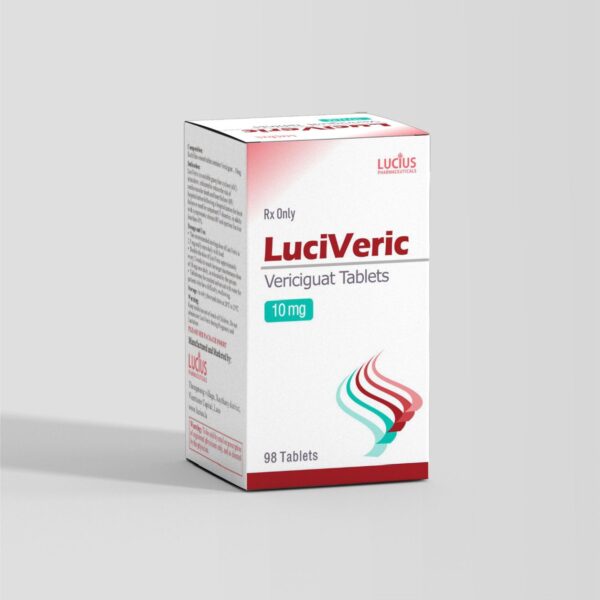
LuciVeric 10 mg Tablet
Price on request
Request pricing -
LuciLemb 5 mg Tablet
Price on request
Request pricing -
LuciElag 200 mg Tablet
Price on request
Request pricing

Related Reading
-
 Ruxolitinib Tablets Receive FDA Approval for Hematologic Malignancies
The U.S. Food and Drug Administration (FDA) has approved Ruxolitinib tablets for the treatment of certain hematologic malignancies, marking another
Ruxolitinib Tablets Receive FDA Approval for Hematologic Malignancies
The U.S. Food and Drug Administration (FDA) has approved Ruxolitinib tablets for the treatment of certain hematologic malignancies, marking another
-
 Tovorafenib Approved in Europe for Children with BRAF-Altered Low-Grade Glioma
Medical Review: This article was reviewed by Dr. Sophie Reynolds on May 14, 2026. n This marks an important milestone
Tovorafenib Approved in Europe for Children with BRAF-Altered Low-Grade Glioma
Medical Review: This article was reviewed by Dr. Sophie Reynolds on May 14, 2026. n This marks an important milestone
-
 FDA Approves Vepdegestrant for ER+/HER2–, ESR1-Mutated Breast Cancer: A New Targeted Option
Medical Review: This article was reviewed by Dr. Sophie Reynolds on May 6, 2026. Breast cancer treatment continues to evolve
FDA Approves Vepdegestrant for ER+/HER2–, ESR1-Mutated Breast Cancer: A New Targeted Option
Medical Review: This article was reviewed by Dr. Sophie Reynolds on May 6, 2026. Breast cancer treatment continues to evolve
-
 FDA Fast-Tracks Plixorafenib for BRAF V600E–Mutated Brain Tumors
Medical Review: This article was reviewed by Dr. Sophie Reynolds on April 14, 2026. n Brain tumors, especially high-grade gliomas,
FDA Fast-Tracks Plixorafenib for BRAF V600E–Mutated Brain Tumors
Medical Review: This article was reviewed by Dr. Sophie Reynolds on April 14, 2026. n Brain tumors, especially high-grade gliomas,
-
 What are the 4 stages of lung cancer?
Medical Review: This article was reviewed by Dr. Sophie Reynolds on April 7, 2026. n Lung cancer staging is a
What are the 4 stages of lung cancer?
Medical Review: This article was reviewed by Dr. Sophie Reynolds on April 7, 2026. n Lung cancer staging is a
-
 First-Line Palbociclib Combination Boosts PFS in HR+/HER2+ mBC – PATINA Findings
Medical Review: This article was reviewed by Dr. Sophie Reynolds on April 1, 2026. n Metastatic breast cancer (mBC) remains
First-Line Palbociclib Combination Boosts PFS in HR+/HER2+ mBC – PATINA Findings
Medical Review: This article was reviewed by Dr. Sophie Reynolds on April 1, 2026. n Metastatic breast cancer (mBC) remains
Shipping & Delivery
- Ships from
- India, worldwide delivery
- Order processing
- 1–3 business days after checks
- Transit time
- 5–7 business days by express courier
- Tracking
- Tracking number sent by email or SMS
- Packaging
- Discreet, tamper-evident, cold-chain available
- Duties & taxes
- Payable by the recipient on import
Only logged in customers who have purchased this product may leave a review.
Reviews
Clear filtersThere are no reviews yet.