

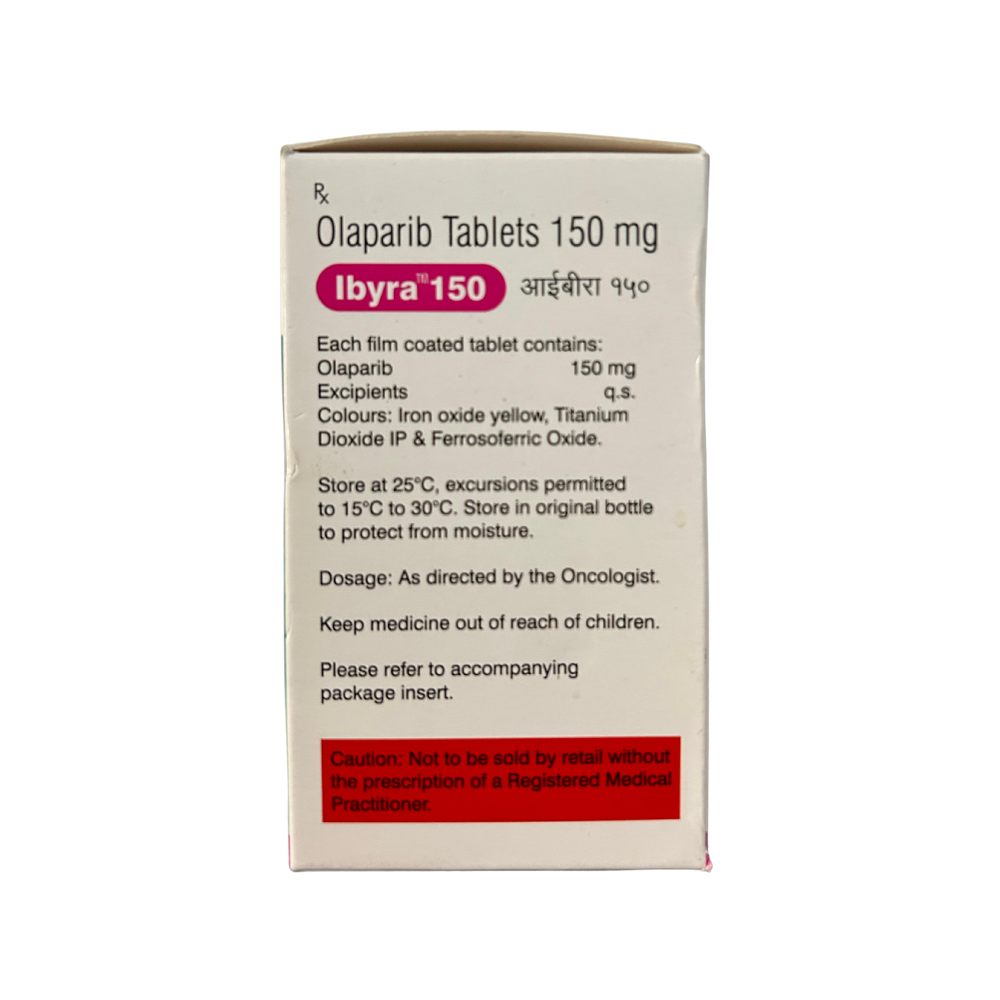
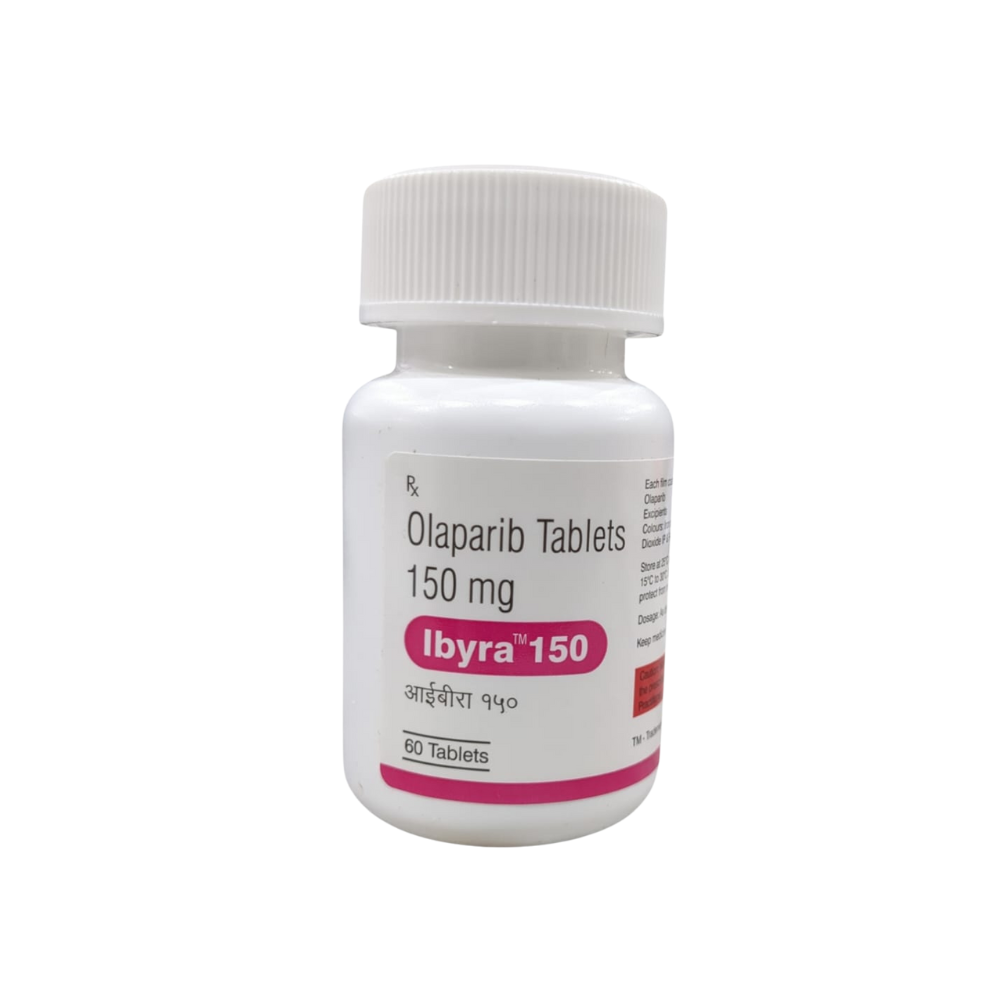
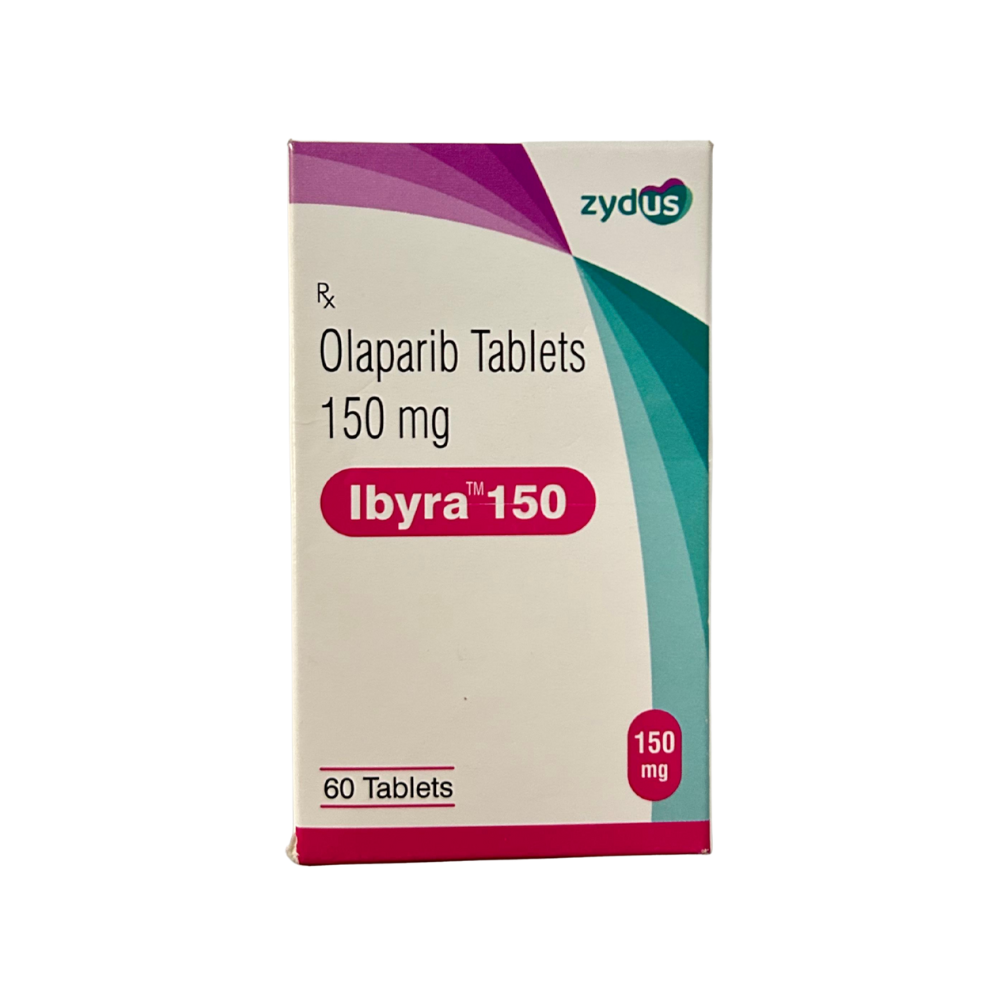
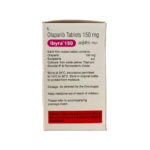
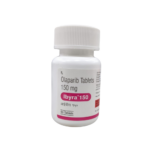
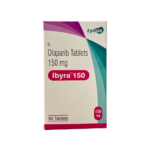
Ibyra 150 mg Tablet
Request Pricing & Availability
Fill in your details below and our clinical team will get back to you with pricing & availability within 24 hours.
Similar Products
| Product | Manufacturer / Marketed By | Price |
|---|---|---|
 LuciOlap 150 mg Tablet
|
Lucius Pharma | Ask for Price |
 Bdparp 150 mg Tablet
|
BDR Pharma | Ask for Price |
|
Olanib 150 mg Tablet
|
Everest Pharma | Ask for Price |

Description
Ibyra Olaparib 150 mg Tablet contains Olaparib, a targeted anticancer medicine classified as a PARP inhibitor. It is used in the treatment of certain cancers with specific genetic mutations, such as BRCA-mutated ovarian, breast, prostate, and pancreatic cancers. Olaparib works by preventing cancer cells from repairing their DNA, leading to cancer cell death. Treatment must be taken under specialist supervision.
Benefits
-
Targets cancer cells with DNA repair defects
-
Helps slow disease progression
-
Improves progression-free survival in eligible patients
-
Oral therapy for convenient long-term treatment
-
Effective as maintenance therapy in selected cancers
Indications and Usage
Ibyra Olaparib 150 mg Tablet is indicated for the treatment of:
-
Ovarian cancer (BRCA-mutated or HRD-positive)
-
Breast cancer (germline BRCA-mutated, HER2-negative)
-
Metastatic castration-resistant prostate cancer (mCRPC) with HRR gene mutations
-
Pancreatic cancer with germline BRCA mutation (maintenance therapy)
Usage depends on:
-
Confirmed genetic testing
-
Prior treatment history
-
Oncologist recommendation
How it Works
Olaparib inhibits PARP (Poly ADP-Ribose Polymerase) enzymes, which cancer cells use to repair damaged DNA.
In cancers with BRCA or HRR mutations, blocking PARP leads to accumulation of DNA damage, causing cancer cell death while sparing normal cells.
Dosage & Administration
-
Dosage is determined strictly by the oncologist
-
Common regimens involve multiple daily doses using 150 mg tablets
-
Swallow tablets whole with water
-
Take doses at the same time each day
-
Food instructions must be followed exactly as prescribed
-
Do not crush, chew, or split tablets
-
Regular blood count monitoring is required
Side Effects
Common side effects:
-
Fatigue or weakness
-
Nausea or vomiting
-
Anemia
-
Loss of appetite
-
Diarrhea
-
Headache
Serious side effects (seek immediate medical attention):
-
Severe anemia or low blood counts
-
Myelodysplastic syndrome (MDS) / Acute Myeloid Leukemia (rare)
-
Lung inflammation (pneumonitis)
-
Severe infections
Warning and Precaution
-
Not recommended during pregnancy or breastfeeding
-
Effective contraception required during treatment and after completion
-
Use caution in patients with kidney impairment
-
Monitor blood counts regularly due to anemia risk
-
Avoid strong CYP3A inhibitors or inducers unless advised
-
Report shortness of breath, fever, persistent fatigue, or bleeding immediately
Related Products
-
Lenvitib 10 mg Capsule
LenvatinibPrice on request
Request pricing -
Lucimird 1 mg Capsule
Price on request
Request pricing -
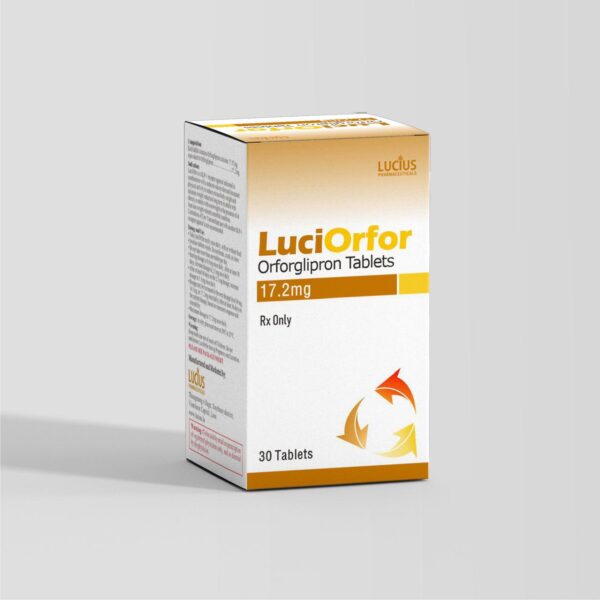
Luciorfor 17.2 mg Tablet
Price on request
Request pricing -
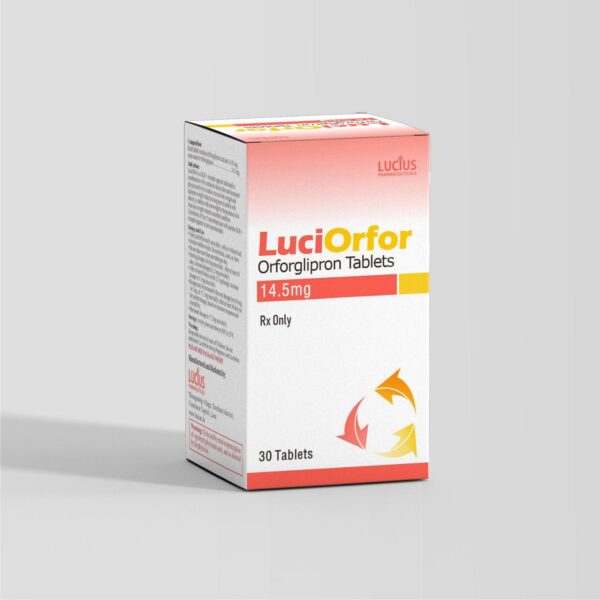
Luciorfor 14.5 mg Tablet
Price on request
Request pricing -
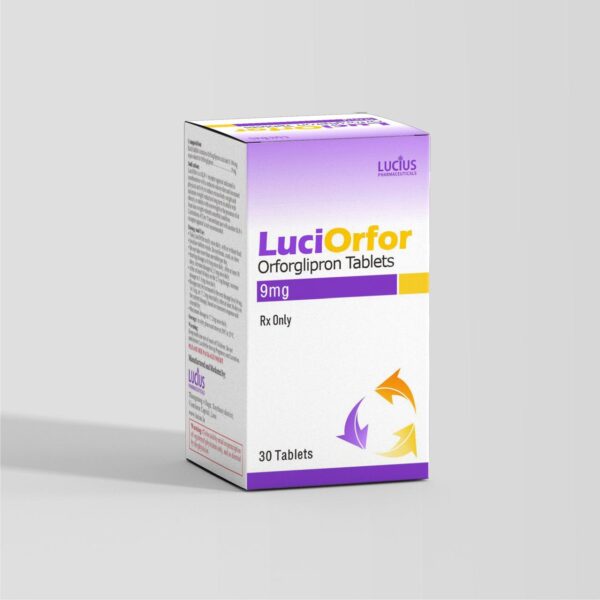
Luciorfor 9 mg Tablet
Price on request
Request pricing -
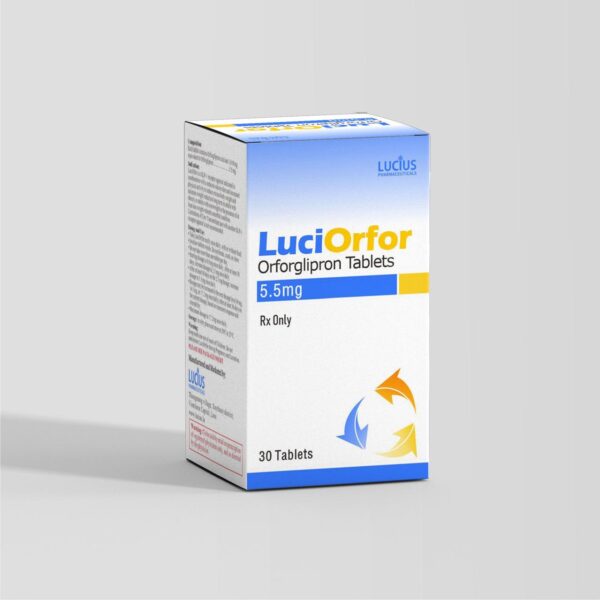
Luciorfor 5.5 mg Tablet
Price on request
Request pricing -
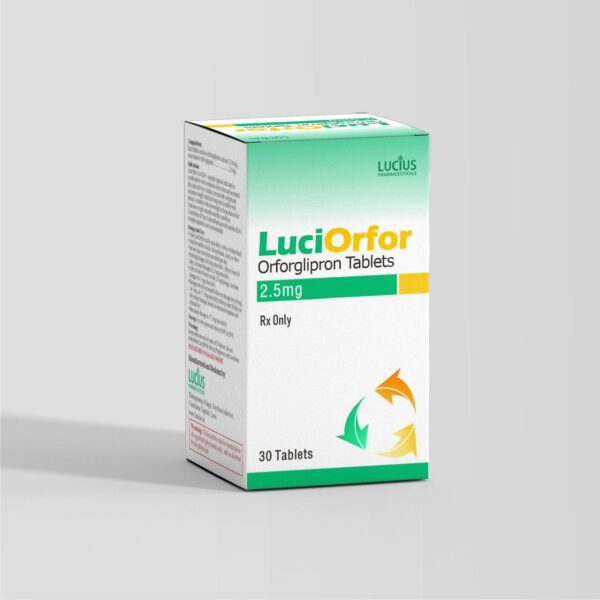
Luciorfor 2.5 mg Tablet
Price on request
Request pricing -
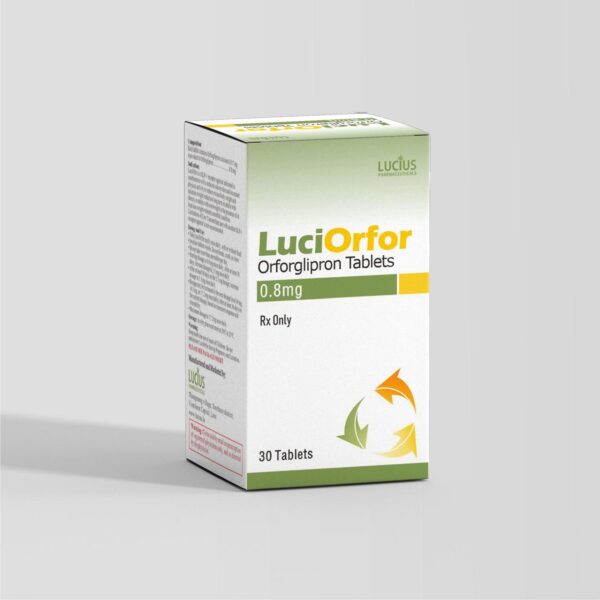
Luciorfor 0.8 mg Tablet
Price on request
Request pricing -
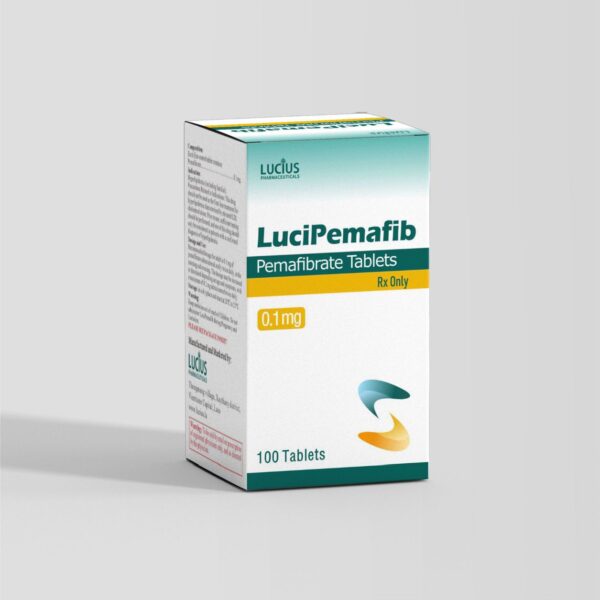
LuciPemafib 0.1 mg Tablet
Price on request
Request pricing -
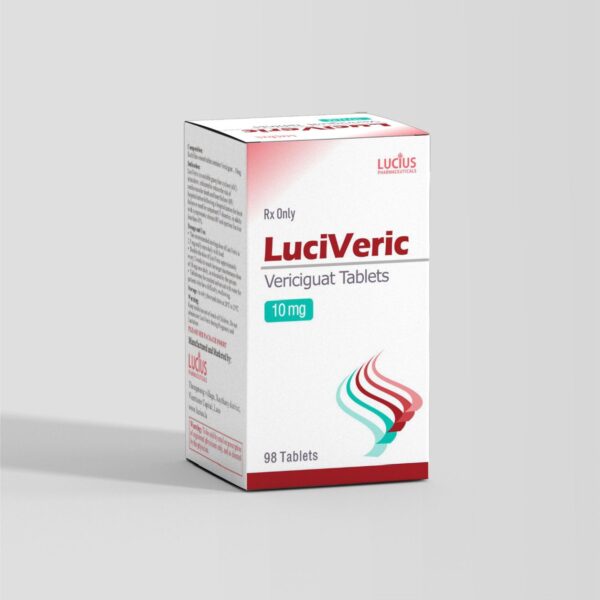
LuciVeric 10 mg Tablet
Price on request
Request pricing -
LuciLemb 5 mg Tablet
Price on request
Request pricing -
LuciElag 200 mg Tablet
Price on request
Request pricing
Related Reading
-
 Ruxolitinib Tablets Receive FDA Approval for Hematologic Malignancies
The U.S. Food and Drug Administration (FDA) has approved Ruxolitinib tablets for the treatment of certain hematologic malignancies, marking another
Ruxolitinib Tablets Receive FDA Approval for Hematologic Malignancies
The U.S. Food and Drug Administration (FDA) has approved Ruxolitinib tablets for the treatment of certain hematologic malignancies, marking another
-
 Tovorafenib Approved in Europe for Children with BRAF-Altered Low-Grade Glioma
Medical Review: This article was reviewed by Dr. Sophie Reynolds on May 14, 2026. n This marks an important milestone
Tovorafenib Approved in Europe for Children with BRAF-Altered Low-Grade Glioma
Medical Review: This article was reviewed by Dr. Sophie Reynolds on May 14, 2026. n This marks an important milestone
-
 FDA Approves Vepdegestrant for ER+/HER2–, ESR1-Mutated Breast Cancer: A New Targeted Option
Medical Review: This article was reviewed by Dr. Sophie Reynolds on May 6, 2026. Breast cancer treatment continues to evolve
FDA Approves Vepdegestrant for ER+/HER2–, ESR1-Mutated Breast Cancer: A New Targeted Option
Medical Review: This article was reviewed by Dr. Sophie Reynolds on May 6, 2026. Breast cancer treatment continues to evolve
-
 FDA Fast-Tracks Plixorafenib for BRAF V600E–Mutated Brain Tumors
Medical Review: This article was reviewed by Dr. Sophie Reynolds on April 14, 2026. n Brain tumors, especially high-grade gliomas,
FDA Fast-Tracks Plixorafenib for BRAF V600E–Mutated Brain Tumors
Medical Review: This article was reviewed by Dr. Sophie Reynolds on April 14, 2026. n Brain tumors, especially high-grade gliomas,
-
 What are the 4 stages of lung cancer?
Medical Review: This article was reviewed by Dr. Sophie Reynolds on April 7, 2026. n Lung cancer staging is a
What are the 4 stages of lung cancer?
Medical Review: This article was reviewed by Dr. Sophie Reynolds on April 7, 2026. n Lung cancer staging is a
-
 First-Line Palbociclib Combination Boosts PFS in HR+/HER2+ mBC – PATINA Findings
Medical Review: This article was reviewed by Dr. Sophie Reynolds on April 1, 2026. n Metastatic breast cancer (mBC) remains
First-Line Palbociclib Combination Boosts PFS in HR+/HER2+ mBC – PATINA Findings
Medical Review: This article was reviewed by Dr. Sophie Reynolds on April 1, 2026. n Metastatic breast cancer (mBC) remains
Shipping & Delivery
- Ships from
- India, worldwide delivery
- Order processing
- 1–3 business days after checks
- Transit time
- 5–7 business days by express courier
- Tracking
- Tracking number sent by email or SMS
- Packaging
- Discreet, tamper-evident, cold-chain available
- Duties & taxes
- Payable by the recipient on import
Only logged in customers who have purchased this product may leave a review.
Reviews
Clear filtersThere are no reviews yet.