Personal Medication Import Guide for Medicines – Philippines
Medical Review DisclosureThis content has been reviewed for medical accuracy. Always consult a qualified healthcare professional before making any medical
Import Guidelines

Medical Review Disclosure
This content has been reviewed for medical accuracy. Always consult a qualified healthcare professional before making any medical decisions. [Last reviewed: 2026-02-11]
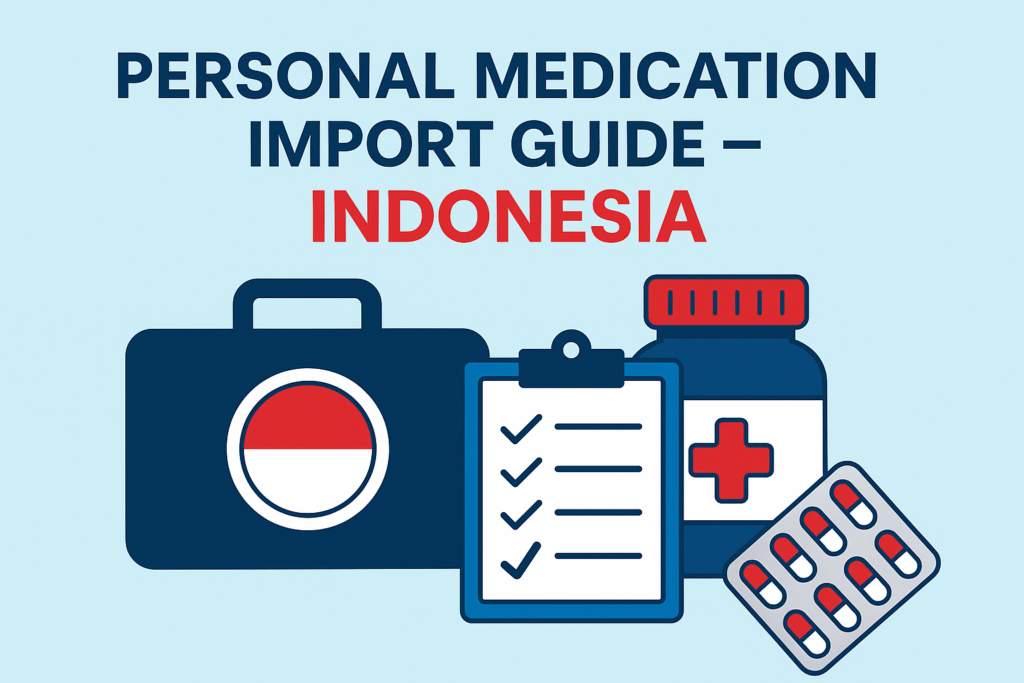
Importing medicines for personal use into Indonesia is permitted, but it must comply with specific rules set by Indonesian Customs and BPOM. This guide explains the documents, limits, and procedures required for individuals who need to receive or carry medications for their own treatment.
Yes. Indonesia allows individuals to bring or receive medicines strictly for personal medical treatment.
Key conditions:
To avoid delays or seizure, prepare the following:
Must include:
A short explanation from your physician describing:
Passport or Indonesian ID.
Should list the medicine name, strength, and quantity.
Some medicines may require additional clearance from BPOM, such as:
BPOM may request extra supporting documents depending on the medicine.
When your parcel arrives in Indonesia, customs may:
Shipments without documents can be delayed, returned, or destroyed.
General personal-use limits include:
To reduce the risk of delays:
For temperature-controlled drugs:
Depending on the medicine type and documentation, the shipment may:
Medical Review DisclosureThis content has been reviewed for medical accuracy. Always consult a qualified healthcare professional before making any medical
Medical Review DisclosureThis content has been reviewed for medical accuracy. Always consult a qualified healthcare professional before making any medical
Medical Review DisclosureThis content has been reviewed for medical accuracy. Always consult a qualified healthcare professional before making any medical
Our pharmacists can confirm availability, pricing and what your country requires for import.